BSE find in young bull ‘likely to be isolated incident’
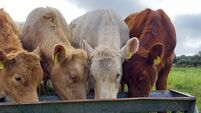
The beef industry here had its fingers crossed after the Department of Agriculture confirmed finding BSE in a 45 month old bull in Limerick, in the course of destroying a herd where a nine year old cow was found positive for BSE.
Significantly, the bull’s mother was negative for BSE, which may have occurred on the farm due to carry-over contamination from meat and bone meal fed to poulty a few years ago.
Finding BSE in more then one animal in a herd is not uncommon; it has happened in three other cases this year.
Irish Cattle and Sheep Farmers Association President Charlie Reilly predicted that this example of BSE in a relatively young animal will be an isolated incident.
“Less than 2% of the cases identified to date this year are in animals less than six years old, compared to 40% in 2000”, he said.
Meanwhile, BSE is never far from the international headlines, with CJD tests for everyone in the UK recommended by a number of top scientists.
Fears that there is a second strain of CJD, and the finding of prions in the muscles of scrapie-infected mice have re-awakened fears.
Professor Stan Prusiner, awarded the Nobel Prize for his BSE research, said the UK government should also be testing live animals. Presently, the only surefire test is carried out post mortem, but blood and even urine tests are being developed. Although there is no cure for CJD, detection could prevent further infection via blood donations or surgical instruments.
But there is opposition to human testing, because some fear the knowledge can only bring misery and maybe spark huge compensation claims.
Another livestock disease nightmare re-surfaced last week, but initial test results on a steer in Scotland suspected of having foot-and-mouth disease (FMD) came back negative. Final test results were due yesterday.