Norway to propose temporary ban on AI glasses in some public places
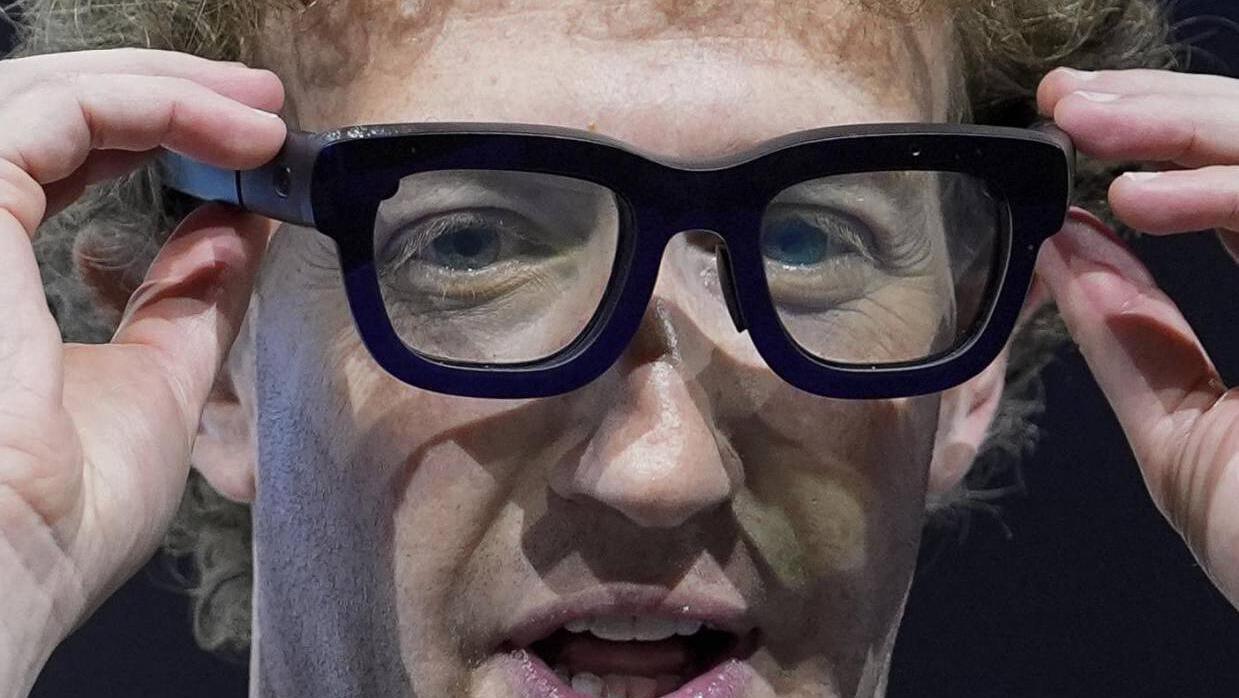
Meta's Mark Zuckerberg wears a pair of smart glasses in 2024. Meta has tried hard to make wearing the glasses a mainstream choice, handing out free pairs to popular social media influencers.
File picture: Godofredo A Vasquez/AP
Norway's government said on Monday it planned to propose a temporary ban on the use of AI glasses in selected places, saying it was concerned people could be photographed, filmed or audio-recorded without their knowledge.
The proposal mirrors a broader global backlash against smart glasses equipped with cameras over privacy concerns
The ban could apply to places where the public regularly gather, such as parks, beaches, museums, shopping centres and public events, the government said in a statement.
"I am worried that new, powerful technology is being introduced where people risk being photographed, filmed or audio-recorded without knowing it," digitalisation and public governance minister Torgeir Micaelsen said.
It could also apply to schools, playgrounds and youth clubs and to privacy-sensitive places such as doctors' offices, swimming pools and gyms with changing rooms. The government said it was not eyeing a total ban and private use, and use where others were not at risk of being filmed without consent, would still be allowed.
It said it would examine which technology the ban would cover, including whether it would apply to glasses with camera and audio recording, glasses with camera and AI functions, or also other body-worn technology with camera, audio recording and/or AI.
Read More
The minority government said it would present a bill to parliament as soon as possible, and would also set up an expert group to advise on permanent national regulation of body-worn technology.
Private venues have also taken action. It was reported in August that London restaurateur Jeremy King said guests should not wear the recording glasses.
“I would never knowingly allow any invasion of guest privacy other than with the eyes we were born with.”
Even pub chain Wetherspoons will not allow people to record using the glasses inside.
Tim Martin, its chief executive, said: “The general code that applies in our pubs, and most pubs, is that you can’t film customers or employees without their permission. Meta glasses seem to breach this code, and common sense, by enabling surreptitious surveillance, so our instinct is to say turn off the cameras. This is akin to our efforts to stop audible playing of videos in our pubs, which also invades people’s space.”
The glasses resemble normal eyewear, with tiny cameras embedded. Meta says it hoped the design would allow users to stay “in the moment” without constantly looking down at a smartphone.
There have been widespread fears about the glasses being used to film people without their consent, with the resultant footage posted on social media.
Though Meta points to the tiny, flashing LED light that activates on the glasses when they are being used to film, there have already been multiple instances of people complaining they have been videoed without prior knowledge.
In one instance, a woman told the BBC a man recorded her, and then demanded money to remove the videos from social media. Another woman described being recorded during sexual encounters without her consent.
Instagram has cracked down on nonconsensual videos made using the glasses posted on the platform. “If you’re posting content that is taking advantage of people and harassing them, like a lot of these pick-up line kind of videos that we’ve heard of and seen, then we’re going to take the content down,” Instagram head Adam Mosseri said.
Meta has tried hard to make wearing the glasses a mainstream choice, handing out free pairs to popular social media influencers.
Sales of the devices have tripled in the last year, with more than seven million sold worldwide.
CONNECT WITH US TODAY



Be the first to know the latest news and updates