Google Pixel 10a review: Familiar formula, smarter refinements and quietly better battery life
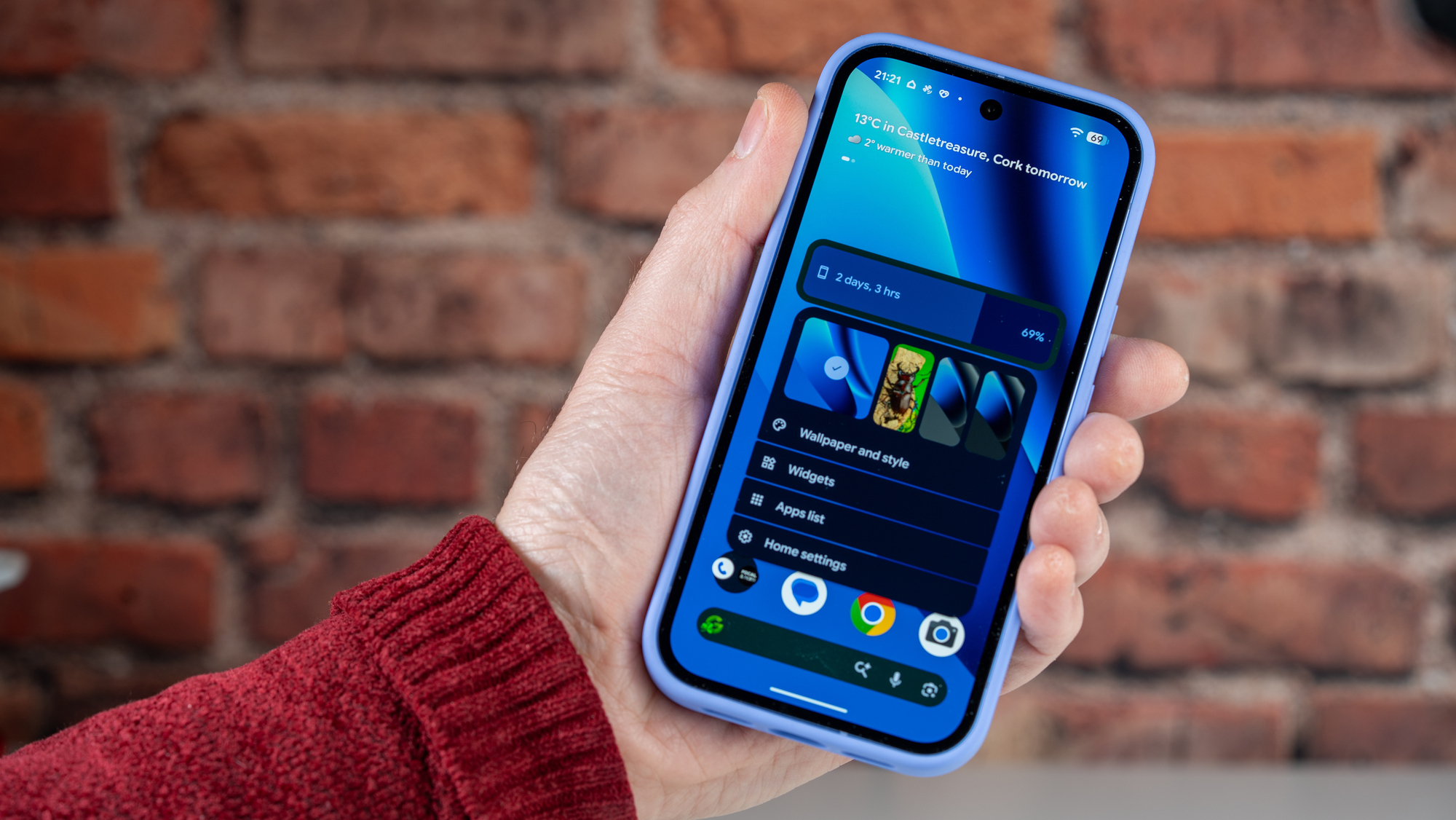
The Pixel 10a is Google's latest mid-range smartphone. Picture: Noel Campion.
The Pixel 10a feels like a modest upgrade over last year's model. It offers improvements in stamina, a slightly cleaner design, and Google’s dependable camera tuning.
The Pixel 9a already set a high bar for dependable photography in the mid-range. The Pixel 10a doesn’t try to reinvent that formula. Instead, it leans into what worked, keeping the same camera hardware while refining performance behind the scenes. It’s a cautious update, but one that still improves the experience where it counts.
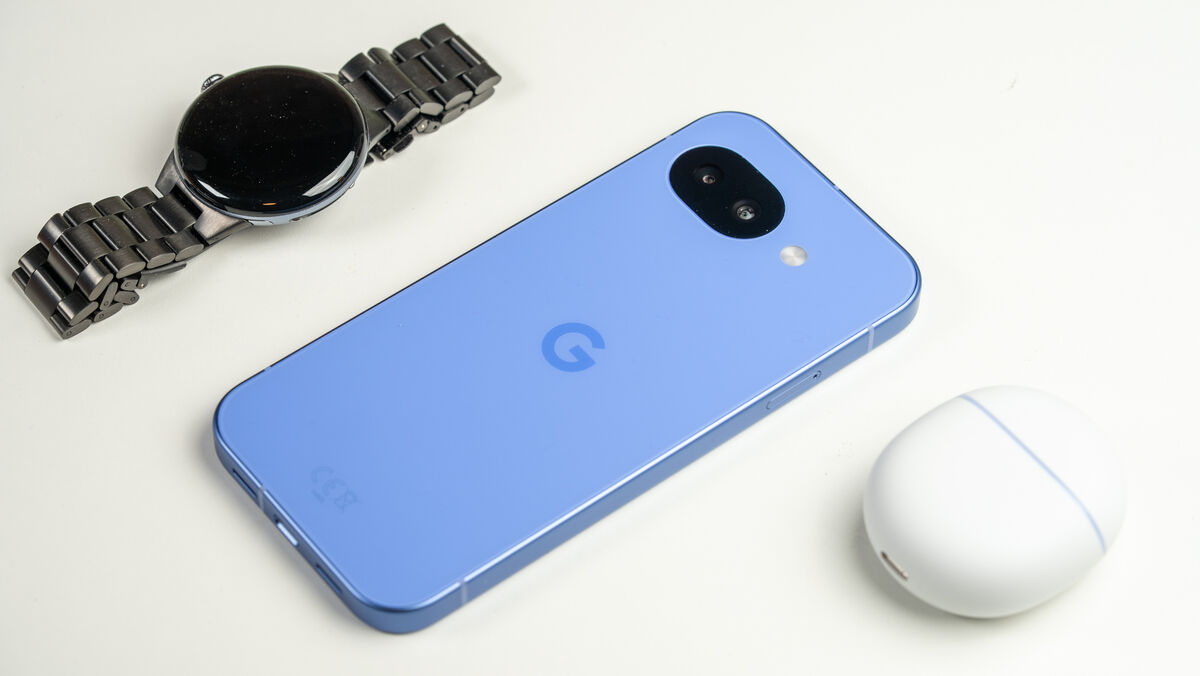
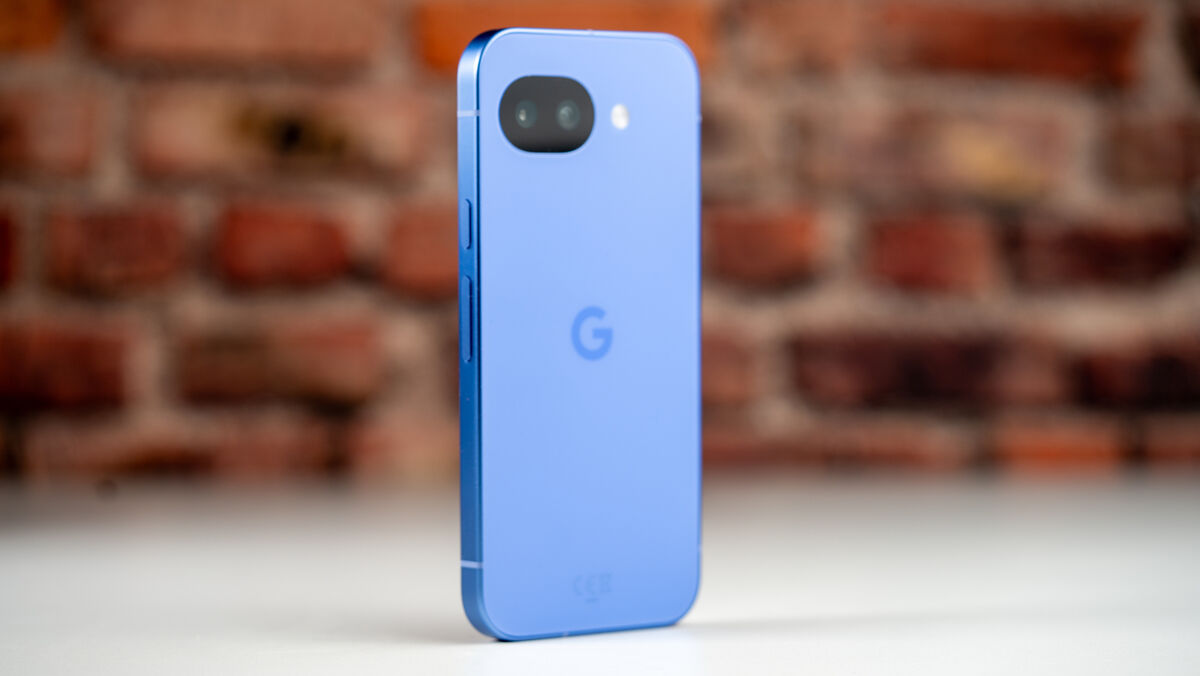
At a glance, you’d be forgiven for thinking nothing has changed. The Pixel 10a looks very close to the 9a, but spend a bit of time with it, and the differences start to make sense.
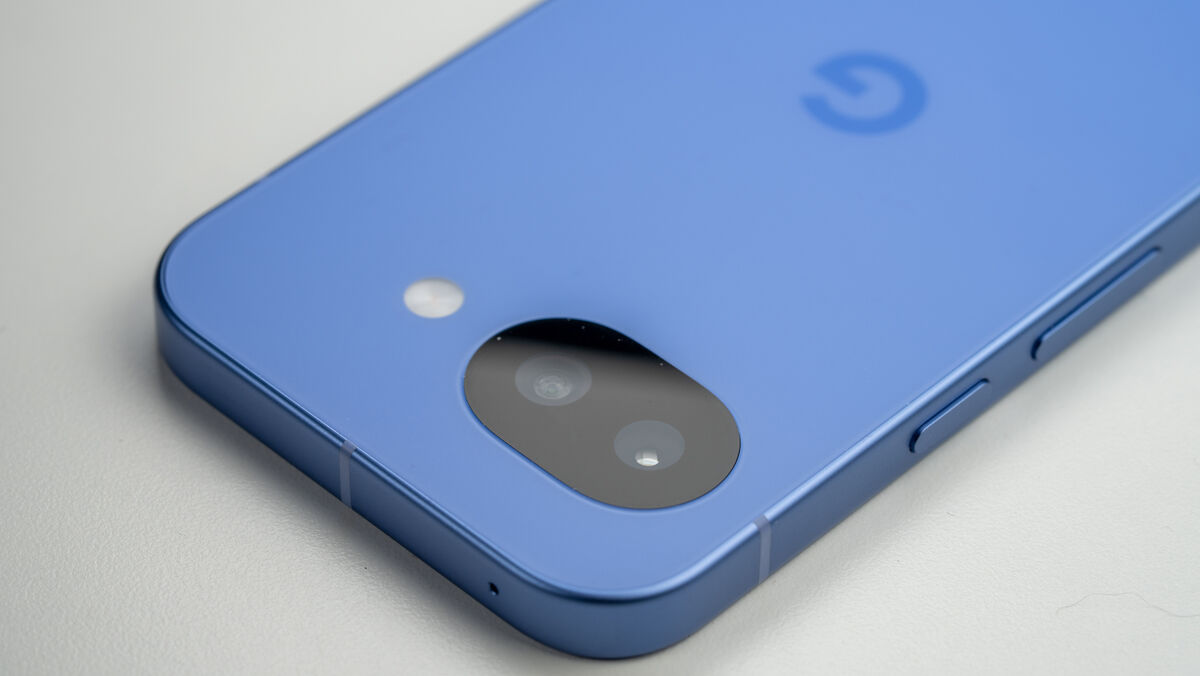
The most noticeable tweak is the flat back. Google has removed the slight camera bump, meaning the phone now sits completely level on a desk. It sounds minor, but it’s one of those small quality-of-life improvements you appreciate every single day, especially when tapping out messages.
To achieve that, the phone is fractionally thicker, though oddly it feels a touch lighter in the hand. The balance is good, and it doesn’t feel bulky. The plastic back and aluminium frame combination returns, and while it doesn’t scream luxury, it’s practical and durable.
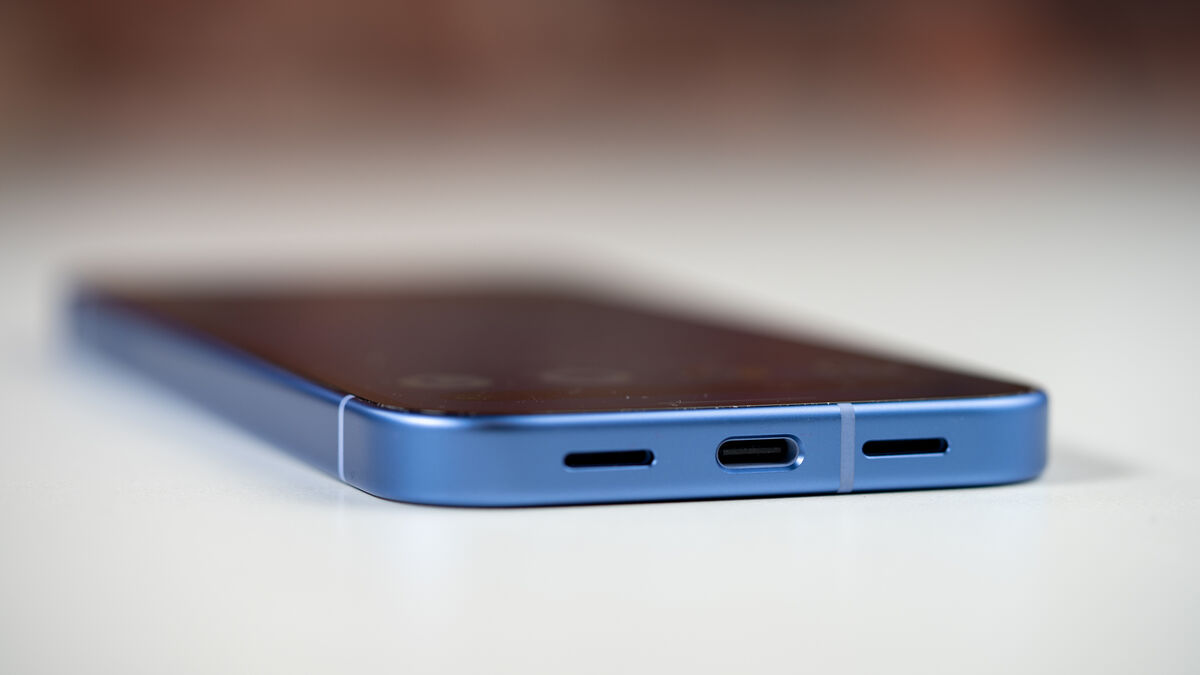
There’s IP68 water and dust resistance again, which isn’t guaranteed at this price. One thing to note: the port layout has shifted slightly, so older Pixel 9a cases won’t fit.
Overall, it’s a subtle tidy-up rather than a redesign, but it works.
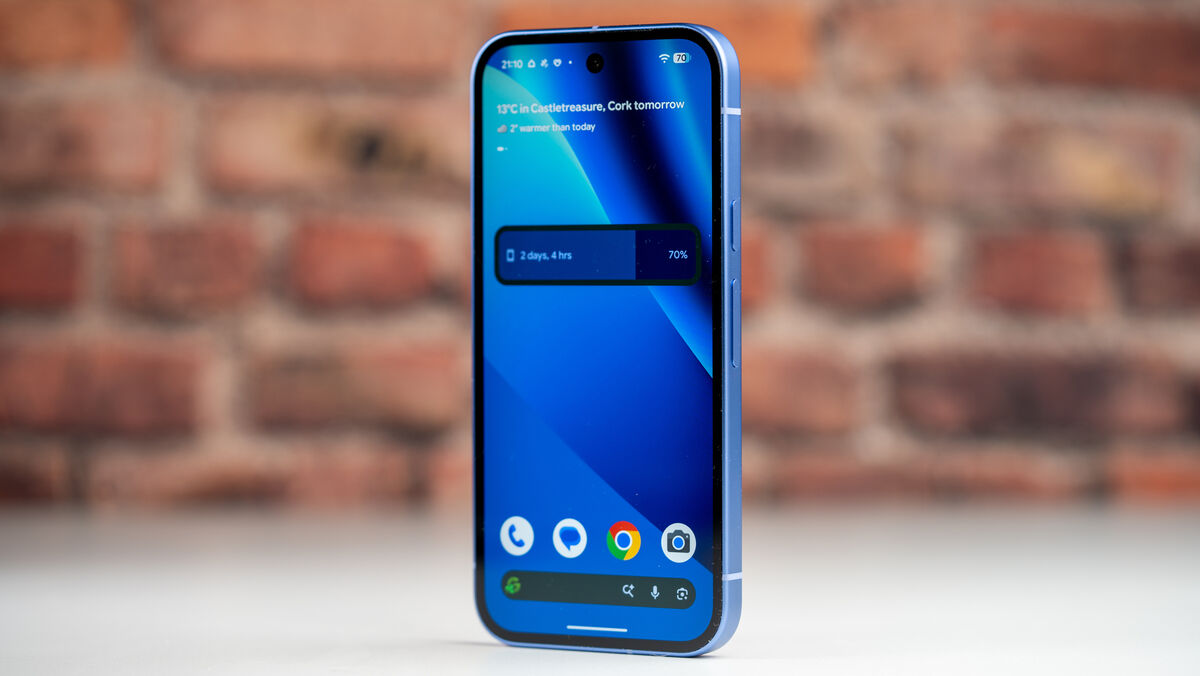
The 6.3-inch OLED display carries over in size and resolution, but there are a couple of welcome upgrades.
Google has switched to Gorilla Glass 7i, replacing the older protection on the Pixel 9a. It’s a sensible move, especially for a phone that’s likely to go without a case more often than not.
Brightness has also improved. In my testing, it pushed comfortably past what the 9a could manage, making outdoor use noticeably easier. It’s not a night-and-day difference, but it’s there when you need it.
The 120Hz refresh rate remains, keeping everything fluid when scrolling, and it can drop down to conserve battery when needed. Colours are typically Pixel — natural, balanced, and easy on the eye rather than overly saturated.
Bezels are still on the thicker side, though they’re at least even all the way around, which gives the display a more considered look.
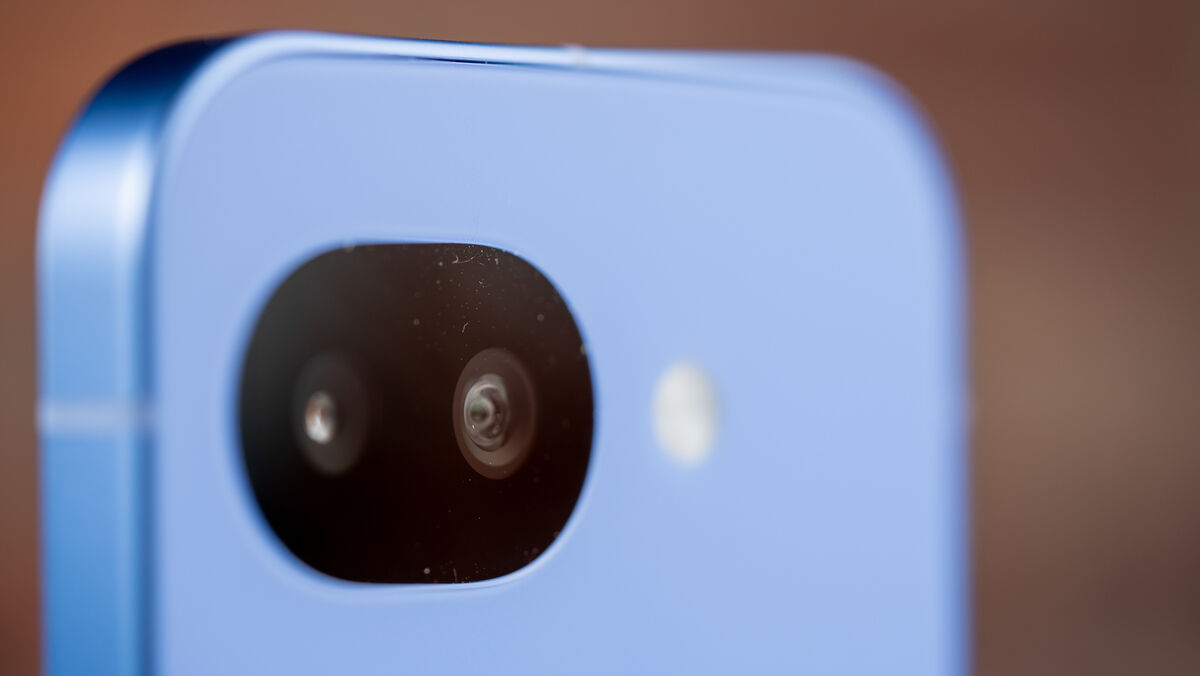
On paper, nothing has changed from the Pixel 9a. You still get a 48MP main camera and a 13MP ultra-wide. And yet, the results tell a slightly different story.
In good light, photos are sharp, well-exposed and consistent. Google’s image processing still leans towards realistic tones rather than punchy contrast, which I personally prefer.
What stood out to me was how reliable it is. You can point, shoot, and trust that you’ll get something usable. That was true on the 9a, and it remains true here.
Low light is handled well, too. NightSight does its usual trick of pulling detail out of darker scenes without going overboard. Compared to the Pixel 9a, the differences are subtle, slightly cleaner shadows here, a touch more balance there, but not transformative.
Digital zoom at 2x is decent, though anything beyond that starts to fall apart. The main sensor can focus fairly close, so you can get some respectable macro-style shots, even if there’s no dedicated macro lens.
The ultra-wide is unchanged, and it shows. It’s fine in daylight, but the lack of autofocus limits its versatility, and image quality drops off more quickly in low light.
The video is steady and reliable, particularly from the main camera. Stabilisation does a very good job, though the detail from the ultra-wide lags behind.
In short, it’s a familiar camera system and still one of the better ones at this level, just not a leap forward.
The Pixel 10a runs on Google’s Tensor G4 chip, the same one found in the Pixel 9a. That tells you most of what you need to know. Compared to newer mid-range rivals, it’s starting to look a bit dated on paper. In day-to-day use, though, it holds up well. Apps open quickly, navigation is smooth, and general use feels responsive. You can game on it too, though heavier titles will push it.
It’s a case of expectations. If you’re coming from a flagship, you’ll notice the difference. If you’re upgrading from an older mid-range phone, this will feel perfectly adequate.
Storage options are 128GB or 256GB, paired with 8GB of RAM, which is enough for most people.
While it’s not a major upgrade, the Pixel 10a moves to Bluetooth 6.0, up from the Pixel 9a’s Bluetooth 5.3. In day-to-day use, the difference is subtle, but it should offer more efficient connections, improved stability and better support for newer wireless accessories over time.
Battery life is one area where the Pixel 10a quietly improves. The capacity hasn’t changed, but in use, it lasts longer than the Pixel 9a. I was consistently getting through a full day with room to spare, even with a mix of camera use, browsing and streaming.
Charging has been nudged up to 30W, and while that’s faster than before, it’s still not especially quick by current standards. Wireless charging sees a small bump, too, from 7.5W to 10W, though it remains fairly slow.
Software
The phone runs Android 16 with Google’s latest Material You design touches. It’s clean, easy to navigate and free from unnecessary clutter.
You also get some of the smarter Pixel features that have trickled down from the flagship models, including Best Take, Camera Coach, and improved sharing options, including the ability to share files via AirDrop to Apple devices.
Google is promising seven years of updates again, which is hard to ignore at this price.
The Pixel 10a sticks closely to the Pixel 9a, but improves where it matters most. Better battery life, a smarter design and dependable cameras make it easy to recommend, even if it plays things a little safe.
€559 (128GB), €659 (256GB) Currys
CONNECT WITH US TODAY



Be the first to know the latest news and updates