abxylute N6 review: The ergonomic Nintendo Switch 2 controller that finally saves my hands
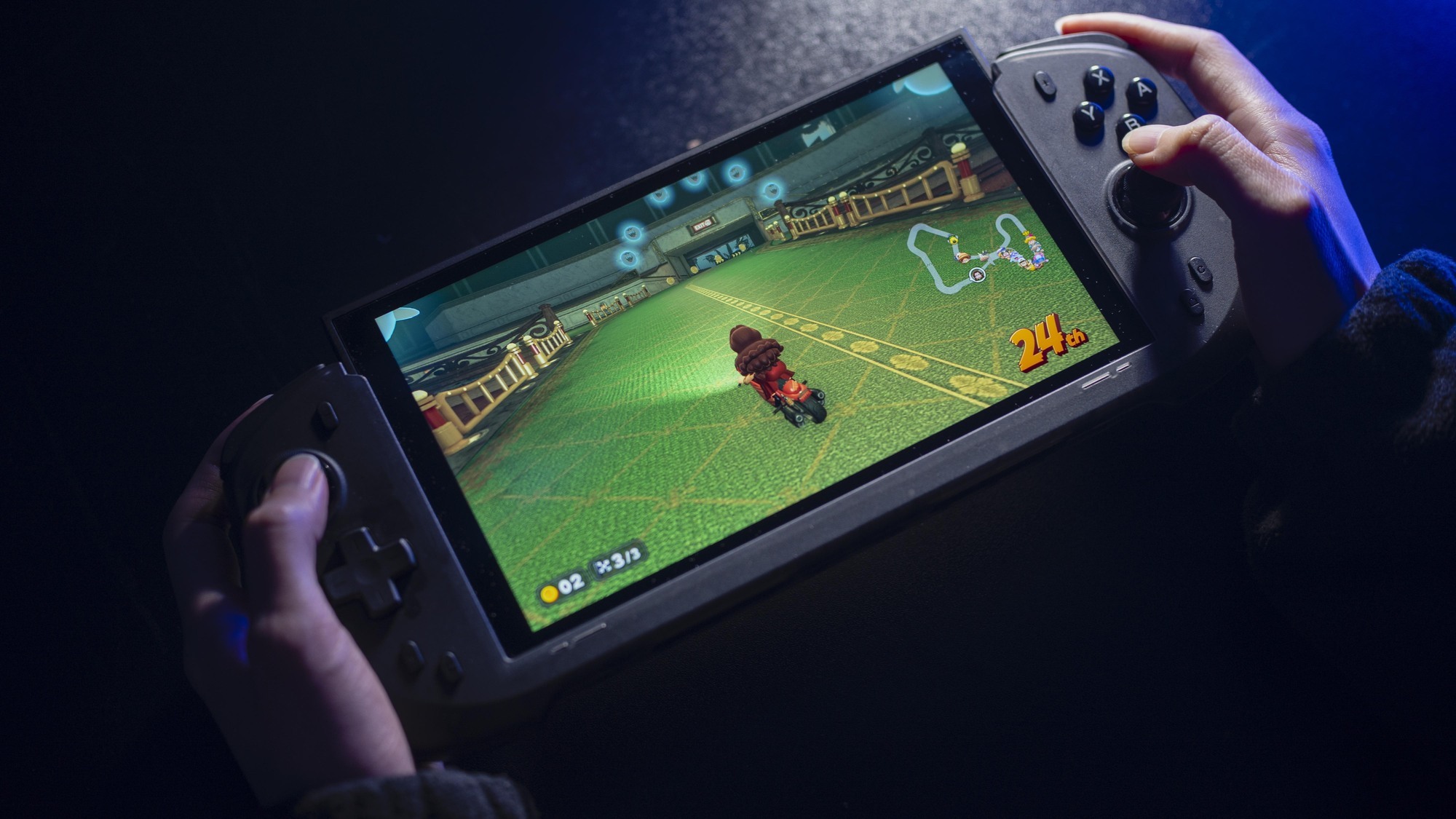
The abxylute N6 transforms the Nintendo Switch 2 into a far more comfortable handheld for long sessions. Picture: abxylute.
I’ve spent the past few weeks happily lost in my Nintendo Switch 2. It’s a brilliant machine. Fast, flexible, and packed with personality. But like the original Switch before it, extended handheld sessions leave my hands feeling cramped and my wrists slightly resentful.
The standard Joy-Con-style setup is fine for short bursts. Two or three Grand Prix races, a quick level before bed. But settle in for a longer session, and I start shifting my grip, stretching my fingers, and generally thinking more about comfort than the game. The abxylute N6 is the first accessory I’ve used that eases my pain.
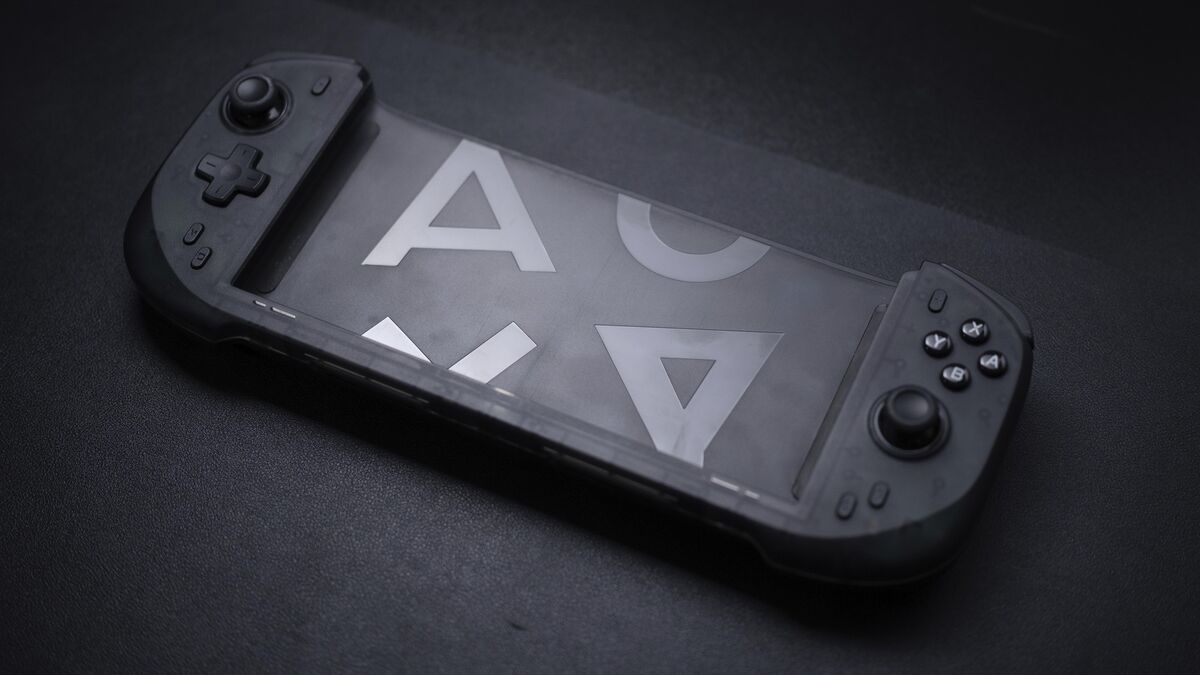
The N6 is a full-body, plug-in, deck-style controller built specifically for the Switch 2. Instead of two slim side rails, you get something much closer to a traditional console gamepad split in half and wrapped around the system.
The difference in grip size is massive. The handles are deeper and more rounded than Nintendo’s standard controllers, filling the palm properly rather than resting against it. Over long sessions, that extra support makes a real difference. My fingers sit naturally on the triggers, and my thumbs fall comfortably onto the sticks without that slightly pinched angle the stock controllers can create.
The joysticks are Hall-effect units designed to avoid long-term drift. On this pre-production unit, they feel smooth and solid, with a slightly steeper angle than standard Joy-Cons. That extra tilt may seem minor, but in practice it provides better leverage and finer control.
Build quality is good overall, though not flawless. The plastics on my unit are sturdy, with no creaks under pressure, but there’s a faint pre-production feel to the finish. I’d expect retail units to tighten that up. The conductive rubber ABXY buttons have a softer, more familiar press than clicky mechanical switches, which suits long sessions, though some players may prefer a sharper response.
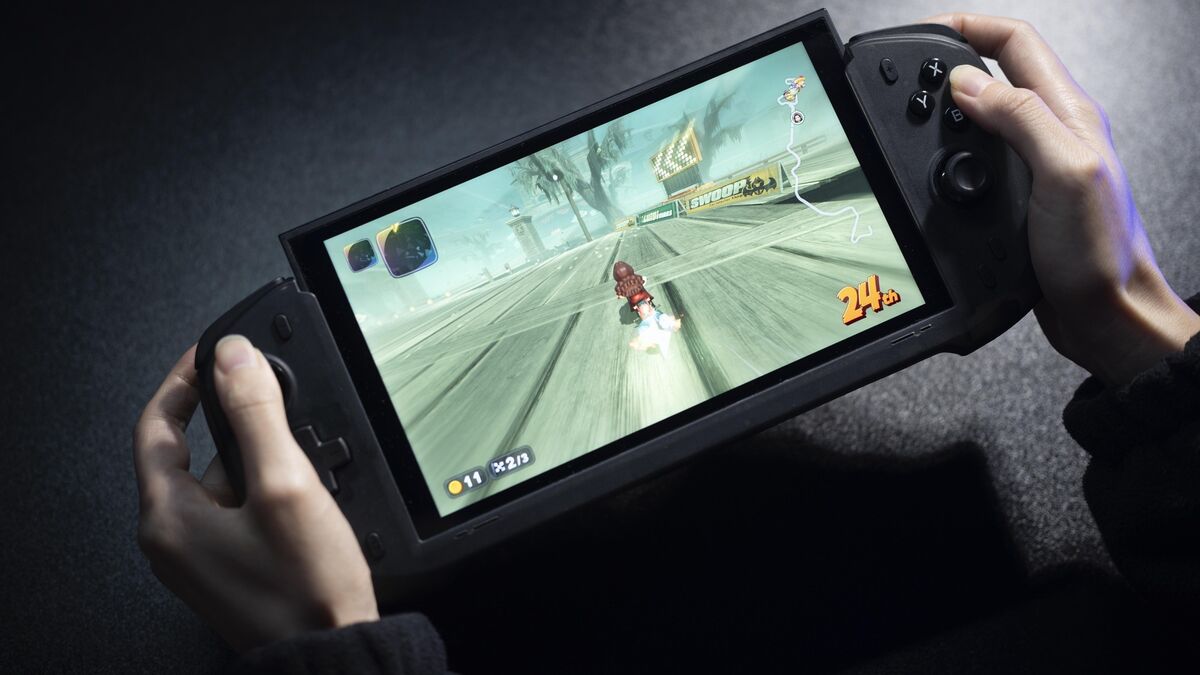
The N6 isn’t just about comfort. It mirrors much of the Switch 2 Pro-style feature set in handheld form.
It uses Hall effect joysticks with anti-wear metal rings, conductive rubber ABXY buttons and D-pad, tactile shoulder buttons and digital triggers, plus two rear programmable buttons. Built-in 9-axis motion control worked seamlessly in my testing, and the dual linear vibration motors offer four intensity levels ranging from completely off to full strength.
The haptics aren’t quite as nuanced as Nintendo’s own first-party controllers, but they’re punchy enough to add weight to crashes and impacts. Turbo functionality includes three selectable speeds, and macro support allows multi-step inputs to be assigned to the rear buttons.
A dedicated C button provides access to system-level communication features and integrates cleanly into the layout.
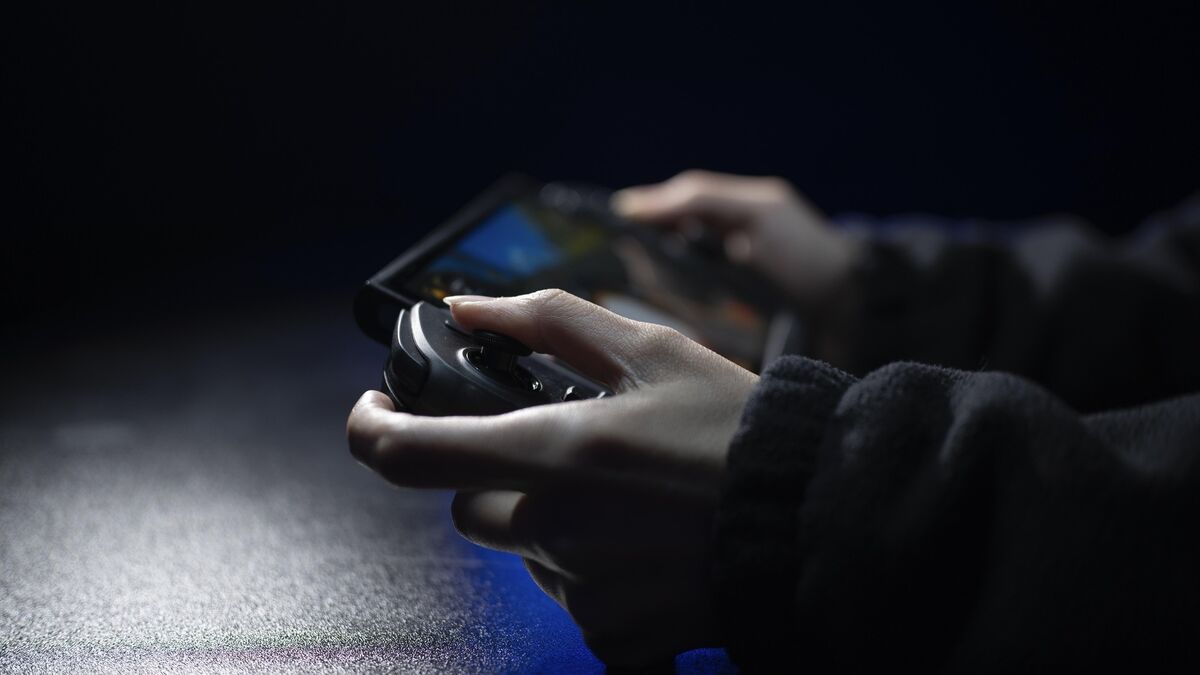
On a technical level, the N6 focuses on durability and low-latency performance. It connects via a direct wired USB-C interface, contains no internal battery, and supports plug-and-play pairing with automatic sleep after inactivity. The emphasis is clearly on stability and responsiveness rather than wireless flexibility.
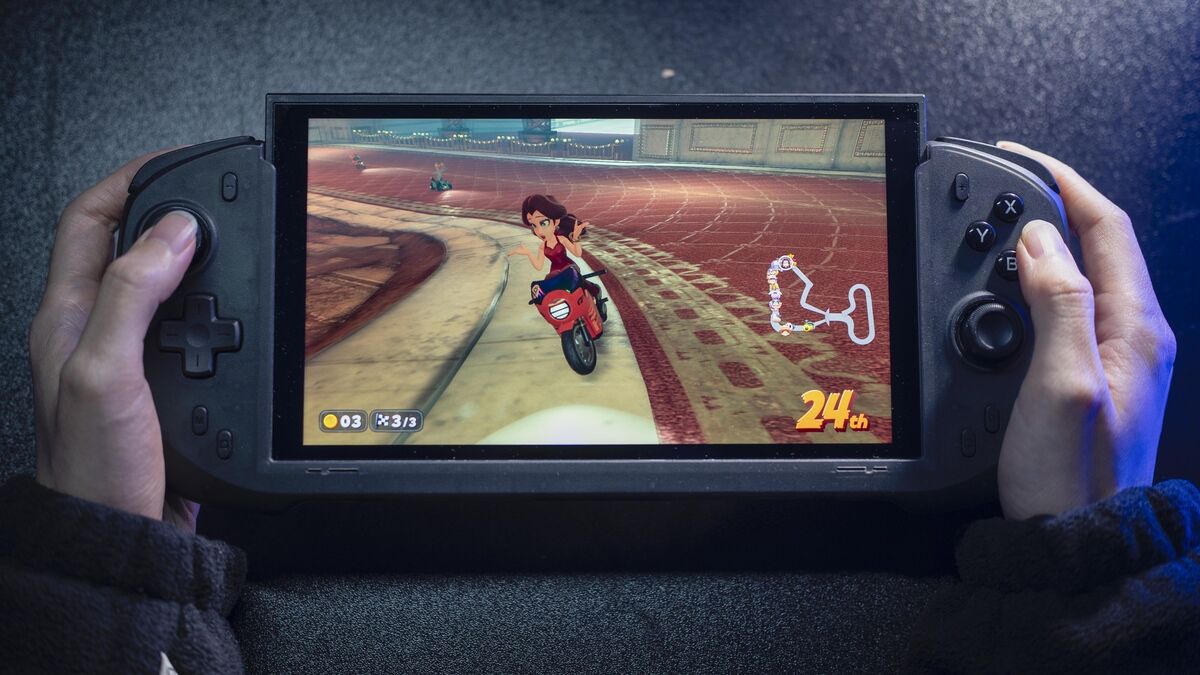
Most of my testing was done with Mario Kart World and Donkey Kong Bananza, two games that quickly expose weak ergonomics.
In Mario Kart World, the improved grip makes long championships far more comfortable. The slightly taller sticks allow finer steering adjustments, especially when using motion input for subtle corrections. After a couple of hours, I realised I hadn’t once shifted my hands to relieve pressure. That alone is telling.
Donkey Kong Bananza, with its mix of platforming precision and reactive movement, benefits from the stable hand position. Rapid direction changes feel confident, and the rear buttons proved useful for mapped secondary actions.
There are downsides. The larger grip makes the Switch 2 less portable. It won’t slip into smaller cases, and the bulk changes the system’s overall feel in a bag. Because it’s a unified deck-style design, you also lose the flexibility of detaching individual controllers for instant multiplayer. Still, for solo handheld play, I consistently preferred it.
The abxylute N6 transforms handheld play on the Nintendo Switch 2. It’s comfortable, practical, and well-designed, with excellent features. It adds bulk and sacrifices flexibility, but for long sessions, it’s the most natural way I’ve found to play.
CONNECT WITH US TODAY



Be the first to know the latest news and updates