Xiaomi 17 Ultra review: New 1-inch sensor and continuous optical zoom redefine Xiaomi’s flagship camera phone
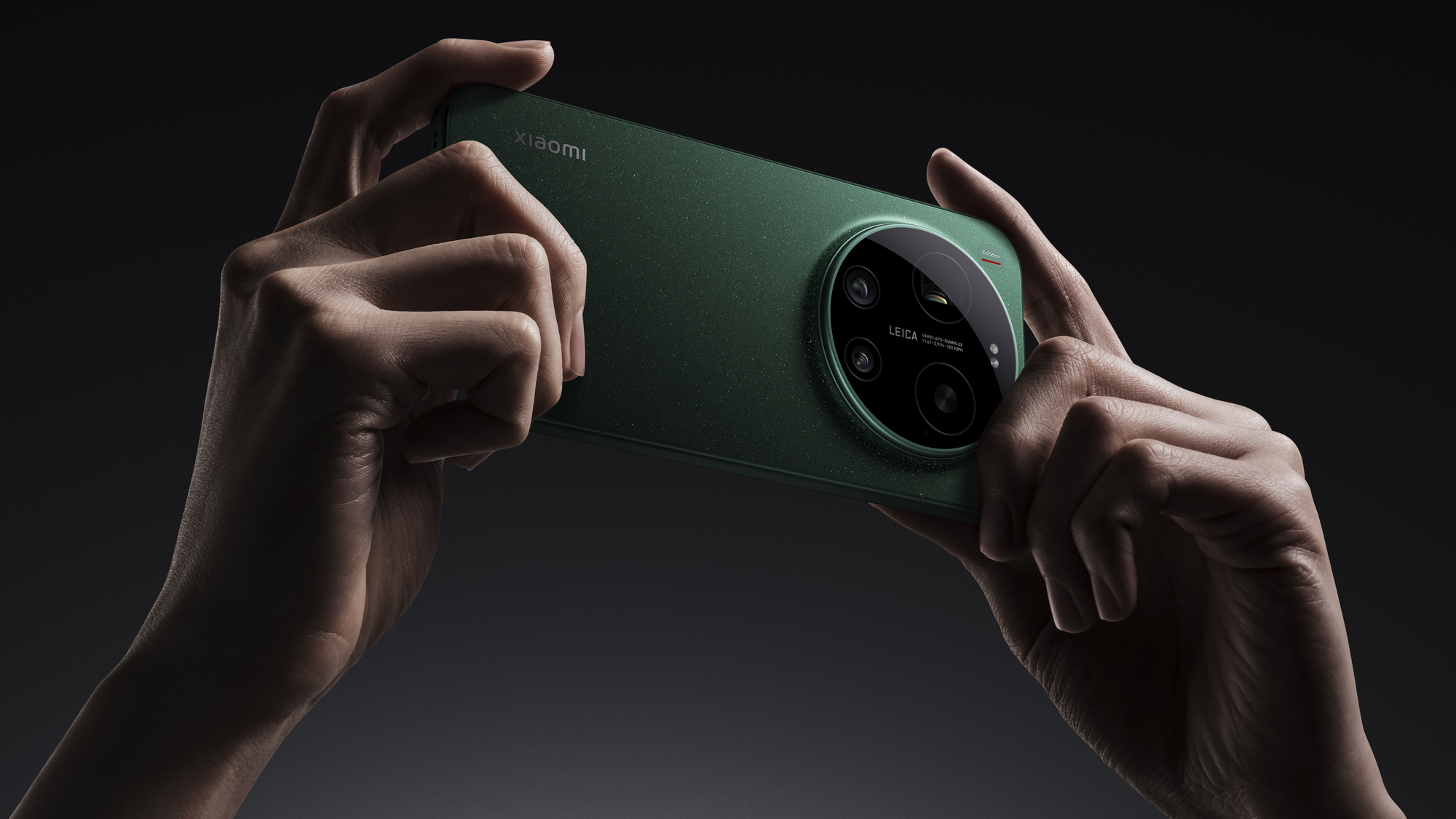
Starlit Green gives the Xiaomi 17 Ultra a subtle sparkle that stands out from typical flagship finishes. Picture: Xiaomi.
The Xiaomi 15 Ultra set a high bar with its 1-inch main sensor delivered striking depth, rich contrast, and, crucially, an unusually short focusing distance that made close-up shots feel almost DSLR-like. The Xiaomi 17 Ultra doesn’t simply repeat that trick. Instead, it reworks the entire camera system, and the results are more ambitious than I expected.
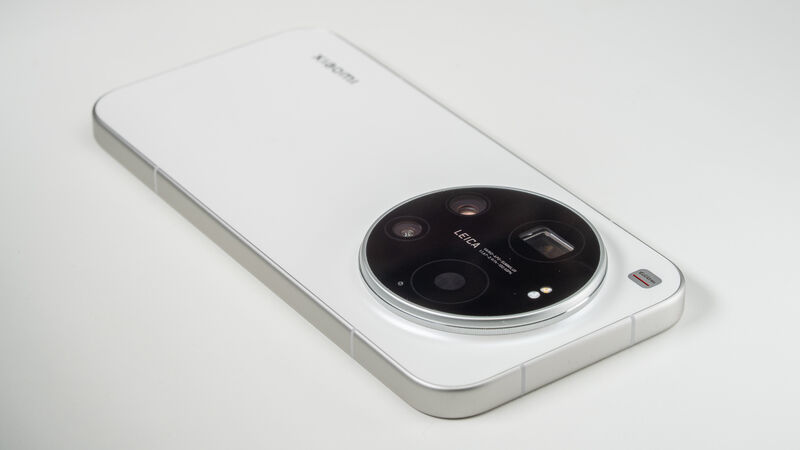
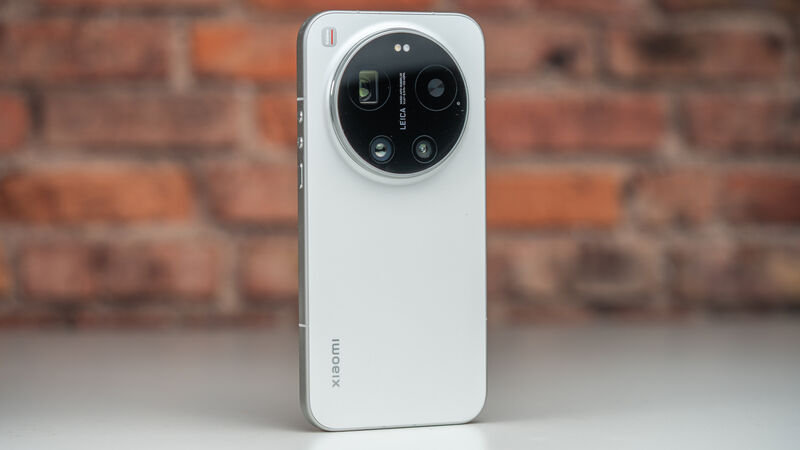
The Xiaomi 17 Ultra is flatter, cleaner and slightly slimmer than before, despite housing a larger battery and similarly substantial camera hardware. In the hand, it feels every bit the premium flagship.
The flat 6.9-inch display is framed by squared metal sides with softly curved edges. It’s still a large device, but it feels comfortable to hold and solid. My review model was the white variant with a matte back, which does a good job of resisting fingerprints. It comes with a pre-installed screen protector and a transparent case, two essentials I believe should come with every flagship.
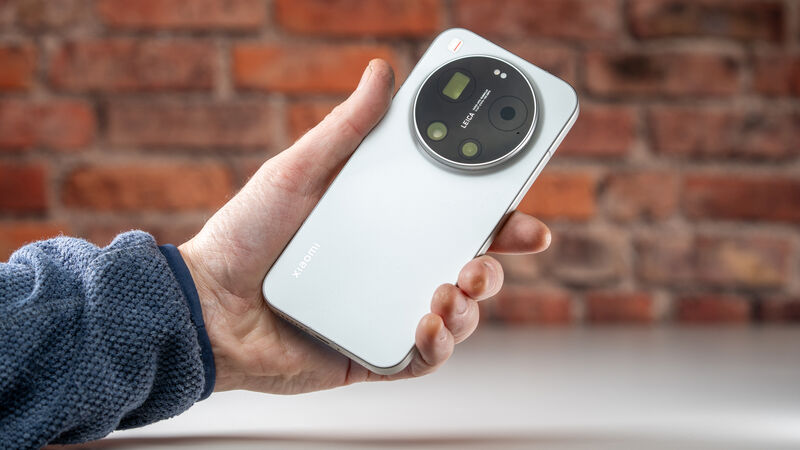
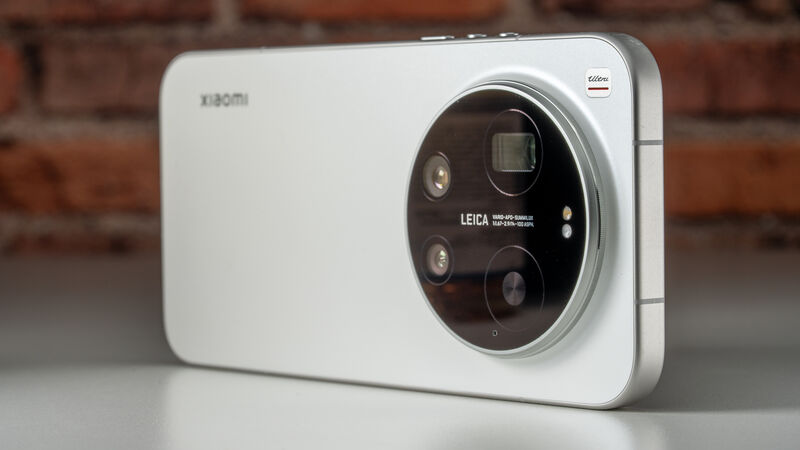
The camera housing is still prominent, though marginally more compact than that of the Xiaomi 15 Ultra. It rises enough to double as a finger rest in landscape shooting, something I found myself doing instinctively. The placement takes a little getting used to. The main and ultra-wide lenses sit lower in the module than you might expect, and I often found my finger creeping into the frame until I adjusted my grip.Build quality feels premium, just as you would expect from a Xiaomi flagship. There’s an IP68 rating for water and dust resistance, an ultrasonic fingerprint scanner positioned exactly where your thumb falls, and a USB-C 3.2 Gen 2 port with video-out support. Xiaomi hasn’t cut corners here.
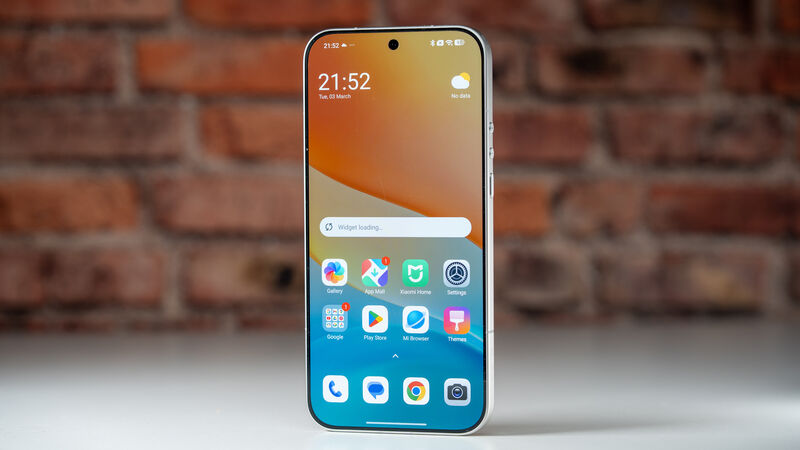
The 6.9-inch HyperRGB OLED panel is excellent. It’s flat this year, which I welcome. Curved displays can look dramatic, but flat panels are more usable day-to-day. The corners are more rounded this year, making the phone more comfortable to hold, but visually, I preferred the slightly flatter curves of the previous model.
Resolution is 2608 x 1200, with LTPO refresh rates from 1–120Hz. It’s sharp without chasing unnecessary pixel density, and colours are punchy and peak brightness is high enough to remain legible in direct sunlight.
Xiaomi’s attention to flicker control and eye comfort features remains. HDR content looks suitably vibrant with Dolby Vision support baked in. It’s a big screen, no question, but it earns its space.
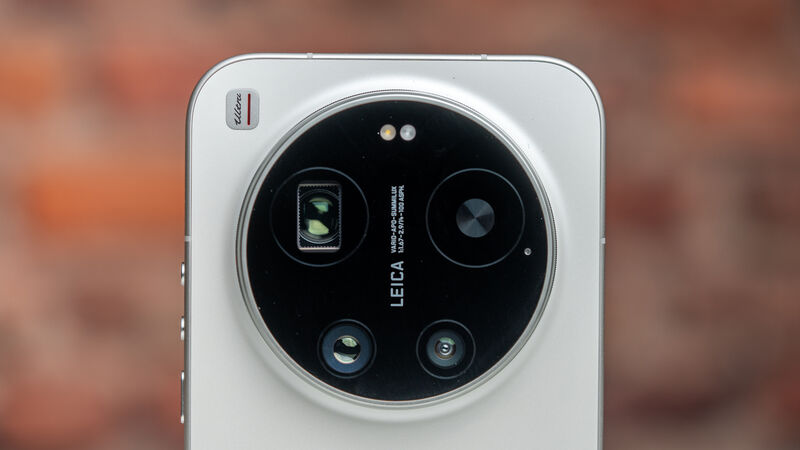
Last year’s Xiaomi 15 Ultra had four rear cameras, including dual telephotos. The 17 Ultra trims that to three sensors but introduces something far more unique: a 200MP telephoto with continuous optical zoom from 75mm to 100mm equivalent. Instead of switching between fixed focal lengths, this lens physically adjusts internally. The sensor is a large 1/1.4-inch unit that delivers stunning quality across that range. In practice, this means you can fine-tune framing between roughly 3.2x and 4.3x without the jarring jumps you often see when switching lenses.
The first time I used it on a portrait shoot, I caught myself nudging the zoom slightly to balance composition rather than stepping backwards. That flexibility changes how you shoot. It feels closer to using a compact camera than a smartphone.
At 200MP, detail is exceptional. Processing takes a moment in full-resolution mode, but you don’t need to freeze in place while it completes. The payoff is incredible detail in fine textures, fur, fabric, and foliage that hold up to pixel peeping.
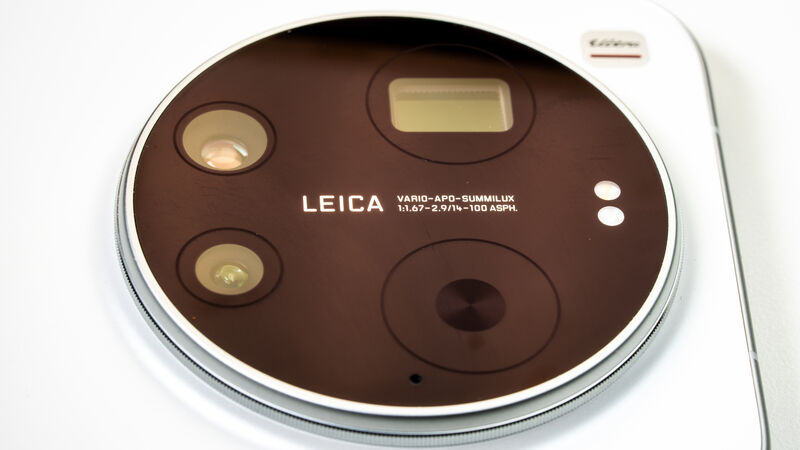
Then there’s the main camera. Xiaomi has moved to a new 1-inch type sensor with LOFIC HDR technology. On paper, it promises better dynamic range and better low-light performance. Compared to the Xiaomi 15 Ultra’s main sensor, the 17 Ultra produces broader highlight retention and more balanced shadows straight out of the camera.
The new sensor’s dynamic range is remarkable. Shooting into challenging backlit scenes, I consistently captured usable detail in both the sky and the foreground without relying heavily on HDR stacking artefacts.
Low-light performance is excellent too, with natural colours and well-controlled noise, and the 1-inch sensor’s depth separation gives images a pleasing fall-off without the need to add fake bokeh.
The ultra-wide has a 50MP sensor and performs reliably. It’s sharp enough for landscapes and, thanks to autofocus, doubles as a capable macro camera. You can also use the telephone lens for macro, but it doesn’t have a very close minimum focus range.
Video capabilities include recording 8K at 30fps, 4K at up to 120fps and even 4K 120fps in Log with ACES support. Footage looks detailed and dynamic, though I still notice minor jitter from electronic stabilisation in certain conditions.
What I love about the video footage from both the main and telephoto cameras is the natural background blur, or bokeh. You’d believe the footage was shot using a professional camera.
The Xiaomi 17 Ultra runs on the Snapdragon 8 Elite Gen 5 platform built on a 3nm process, paired with up to 16GB of RAM, and my review unit came with 512GB of UFS 4.1 storage.
In daily use, it’s stupid fast as you’d expect from this top-of-the-range flagship chipset. App launches are instant, multitasking feels effortless, and AI-driven editing tools operate without lag.
Thermal management is handled by Xiaomi’s IceLoop cooling system, and during extended camera use, including 4K 120fps recording and graphic-intensive gaming sessions, the phone remained warm but never uncomfortable.
Other hardware features include Wi-Fi 7, NFC, stereo speakers, and an IR blaster.
Despite being slimmer than its predecessor, the 17 Ultra packs a larger 6,000mAh battery that easily lasted a full day of heavy use for me, with enough reserve to avoid scrambling for a charger in the evening.
Using my Xiaomi 100W charger, it reached 50% in around 25 minutes and a full charge in roughly an hour. Wireless charging tops out at 50W using the Oppo Airvooc wireless charger, and reverse wireless charging is supported.
The phone ships with HyperOS 3 based on Android 16. Xiaomi’s interface is cleaner than before, though still feature-heavy. There are powerful editing tools built directly into the gallery, and the camera app offers granular manual control, including focus peaking and histograms.
The Xiaomi 17 Ultra rethinks the Ultra formula with a superb new 1-inch sensor and a unique continuous optical zoom lens. It is powerful and ambitious, but the 15 Ultra was already so good that I would not recommend upgrading just yet. That said, if you are shopping for one of the best Android phones available, the 17 Ultra is absolutely worth considering.
€1,500 Harvey Norman
CONNECT WITH US TODAY



Be the first to know the latest news and updates