Europe's power market is flashing a warning to its economy
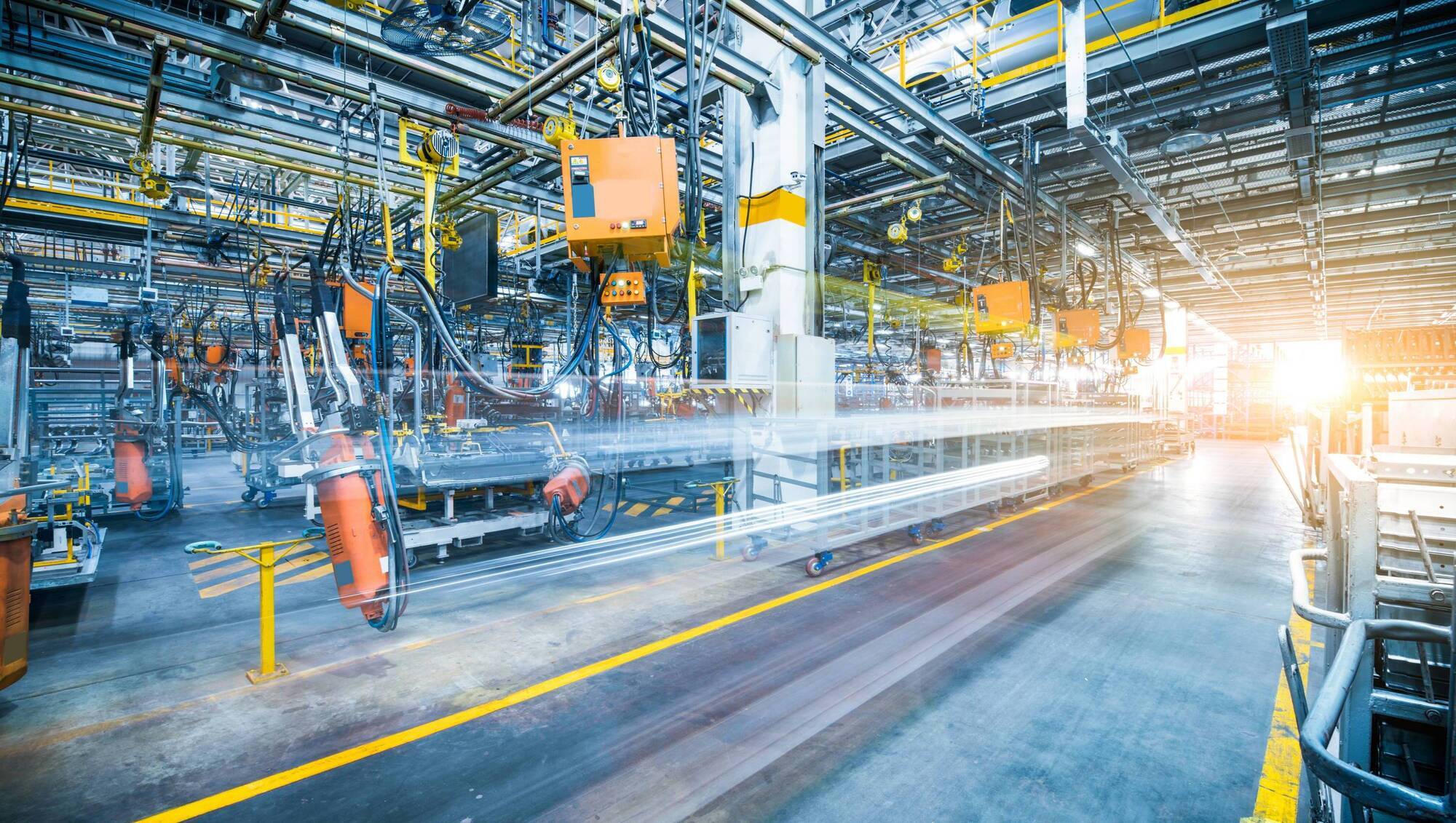
Persistently high electricity costs threaten industrial production across Europe, risk adding to inflationary pressures and could eventually feed through to household bills. Picture: iStock
At a factory in Germany, there are increasingly hours when it is simply too expensive to produce steel.
Plant manager Uwe Reinecke gets two emails a day with the next day’s electricity prices, helping determine almost hour-by-hour when the mill can afford to run.
Soaring power costs have repeatedly forced the plant, owned by Italy’s Feralpi Group, to halt production this autumn, even as it has orders to fill.
The predicament points to a stark reality: Europe’s second major energy crisis in less than five years is already taking hold in wholesale markets. Power contracts for each of the next three months are trading around €200 a megawatt-hour, roughly double last winter’s levels. The main culprit is a familiar one: surging natural gas prices.
Persistently high electricity costs threaten industrial production across Europe, risk adding to inflationary pressures and could eventually feed through to household bills. They also risk further eroding the region’s competitiveness and testing an economy that has so far proved surprisingly resilient to the latest energy shock.
Many energy-intensive manufacturers buy a large share of their electricity on the spot market, leaving them immediately exposed when prices rise. Feralpi’s plant is among them, relying on electricity to power its furnace while buying much of its needs close to delivery. Reinecke said:
Wholesale prices are what utilities and industrial consumers pay when buying electricity in the market, with contracts ranging from power for the next day to delivery months or even years in advance. That allows some buyers to lock in prices and reduce their exposure to short-term swings.
Day-ahead prices, for example, reflect the immediate cost of power and depend on factors such as weather, renewable output and demand. Longer-dated contracts also reflect expectations for broader factors such as fuel costs, economic activity and availability of power plants.
Read More
European gas prices have tripled from a year ago as the war in the Middle East tightened global supplies and intensified competition with Asia. That pushes up electricity costs too because gas-fired plants often set the wholesale power price when cheaper sources can’t produce enough to meet demand.
Some of the pain is hidden for now. Tens of millions of households are protected by fixed or regulated tariffs, while many large industrial users buy electricity months or even years in advance. But those buffers have an expiry date, meaning prolonged high prices will eventually feed through as contracts are renewed.
The impact is already beginning to reach consumers. Some suppliers have raised prices for 2027, including a 3.3% increase in EnBW’s household electricity tariff from January. Germany’s coalition this week agreed to introduce a power tax cut for next year to cushion the rising costs. In neighboring Poland, prime minister Donald Tusk said on Tuesday that the nation plans to shield consumers from the high prices.
And the squeeze could get considerably worse as Europe heads deeper into winter. In a more severe scenario, monthly power contracts could shoot up to €300 if gas prices rally further and the region experiences another spell of unusually cold weather, according to BB Energy Trading Ltd.
Even at current prices, the strain is spreading. Two German power suppliers, Grüüün and Stromee, stopped delivering power to their customers, echoing the 2022 crisis when dozens of smaller power and gas suppliers collapsed after being caught out by record wholesale prices.
Others are also getting squeezed. In Austria, utility Verbund AG said low hydropower output forced it to buy expensive electricity on the spot market, resulting in a €120m earnings hit in the first nine months of the year. Spanish stainless-steel producer Acerinox said higher energy costs hurt its European operations by €16m last quarter. Long-term purchase agreements only covered roughly half of its power demand, according to an earnings report.
At extreme prices, electricity can become more valuable to some industrial companies than the goods they use it to produce. Companies that locked in power at much lower prices are selling some of those hedged volumes back into the market rather than using the electricity to keep factories running, De Rancourt said.
Renewables have helped cushion the impact of higher energy costs. During the summer and early autumn, record solar generation coincided with relatively low electricity demand. But as solar output fades and consumption rises into winter, Europe relies more on wind — a more volatile source of supply that can fall sharply during prolonged periods of still weather.
The growing winter risk is prompting governments to prepare additional backup. Germany is preparing to bring back coal- and oil-fired power plants currently held in its grid reserve in case of a natural gas emergency this winter, according to a draft law seen by Bloomberg News.
For households, wholesale electricity costs typically feed through with a lag because of fixed contracts, utility hedging, regulated tariffs and government protections. Those arrangements differ widely across Europe, meaning consumers will feel the shock at different speeds.
- Bloomberg

BLACK FRIDAY
Already a subscriber? Sign in

CONNECT WITH US TODAY



Be the first to know the latest news and updates