Tourist numbers to Ireland continue recovery in August
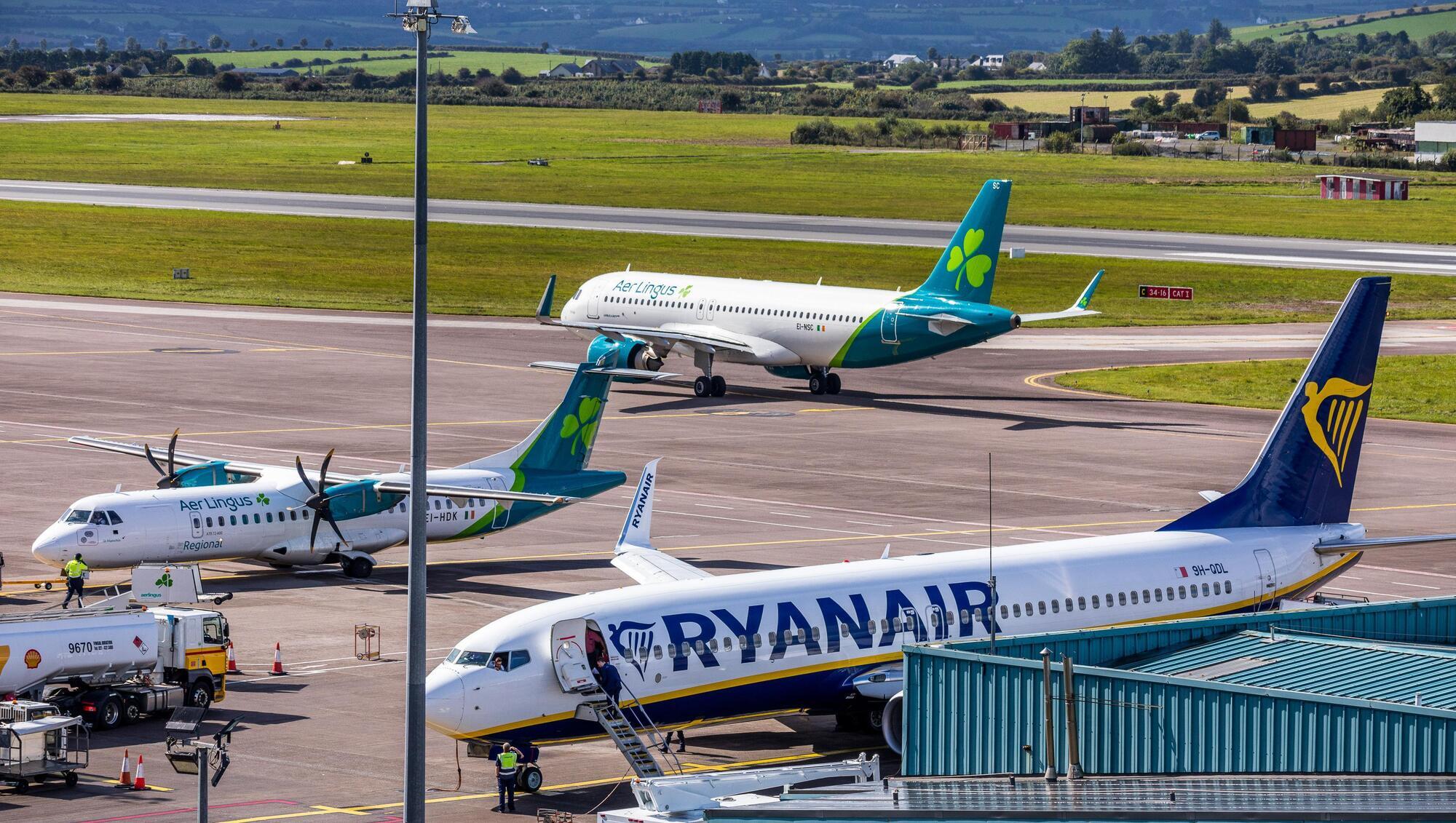
During August, approximately 788,700 foreign visitors completed a trip to Ireland, an increase of 2% when compared with August last year and up 3% compared with August 2024. File picture
The number of tourists who visited Ireland between January and August increased by 11% compared to last year as the sector continues to bounce back after a difficult 2025, data from the Central Statistics Office (CSO) shows.
During August, approximately 788,700 foreign visitors completed a trip to Ireland, an increase of 2% when compared with August last year and up 3% compared with August 2024.
The total number of tourists in the first eight months of the year is estimated to be 4.7m, an increase of 11% compared to the same period last year.
It is also up 1% compared to the same period in 2024.
However, while the number of visitors were up during August, the total combined number of nights stayed here declined 2% year-on-year to 6.6m.
The average length of stay was 8.3 nights, down from 8.6 nights.
Including fares, foreign tourists spent a combined €989m during their trips.
Read More
If fares were excluded, total spend drops to €729m, a 2% decline compared to last year and down 11% compared to August 2024.
Broken down by expense category, the costliest subheading was day-to-day spending at €372m.
The next costliest spend was on accommodation at €324m while prepayments were estimated at €33m.
Visitors from North America accounted for €262m of the total spending in August, visitors from continental Europe also spent €262m.
Visitors from Britain spent €148m and visitors from the rest of the world spent €57m.
Of the 788,700 foreign visitors during August, Britain accounted for the largest proportion at 283,200 followed by the US at 171,000, and Germany at 55,300.
Of the 4.7m visitors to Ireland so far this year, British residents accounted for 1.76m while the US accounted for around 946,500.
German residents accounted for 322,700.
In August 2026, 51% of overnight foreign visitors indicated that the main purpose of their trip was for holidays, leisure, and recreation, 33% said it was for visiting friends and relatives, and 8% of trips were for business reasons.
The strong tourism numbers come amid huge uncertainty in the aviation sector as the conflict in the Middle East has once again led to an increase in oil prices and as a result jet fuel prices.
Brent crude oil has been trading at over $100 a barrel for much of September leading to surging costs at the pumps.
According to the International Air Transport Association, the average global jet fuel price currently stands at around $185.43 a barrel.
This is up from the $156.85 per barrel recorded at the end of August.
Prices for European airlines are even worse with current prices at just under $198 a barrel.
Budget airline Ryanair has already cut its forecast for passengers this fiscal year from 216m to 214m as a result of plans to limit capacity in an effort to lessen the impact of its small percentage of unhedged jet fuel.
However, the company’s chief executive Michael O’Leary warned that airlines will not be able to absorb the higher jet fuel prices next year and they will have to be passed on to customers.
He added that he expected more carriers to fail as a result of surging prices.
CONNECT WITH US TODAY



Be the first to know the latest news and updates