Interest rates rise by 0.25% as ECB seeks to quell inflation
The said inflation was expected to stay above its 2% goal for some time.
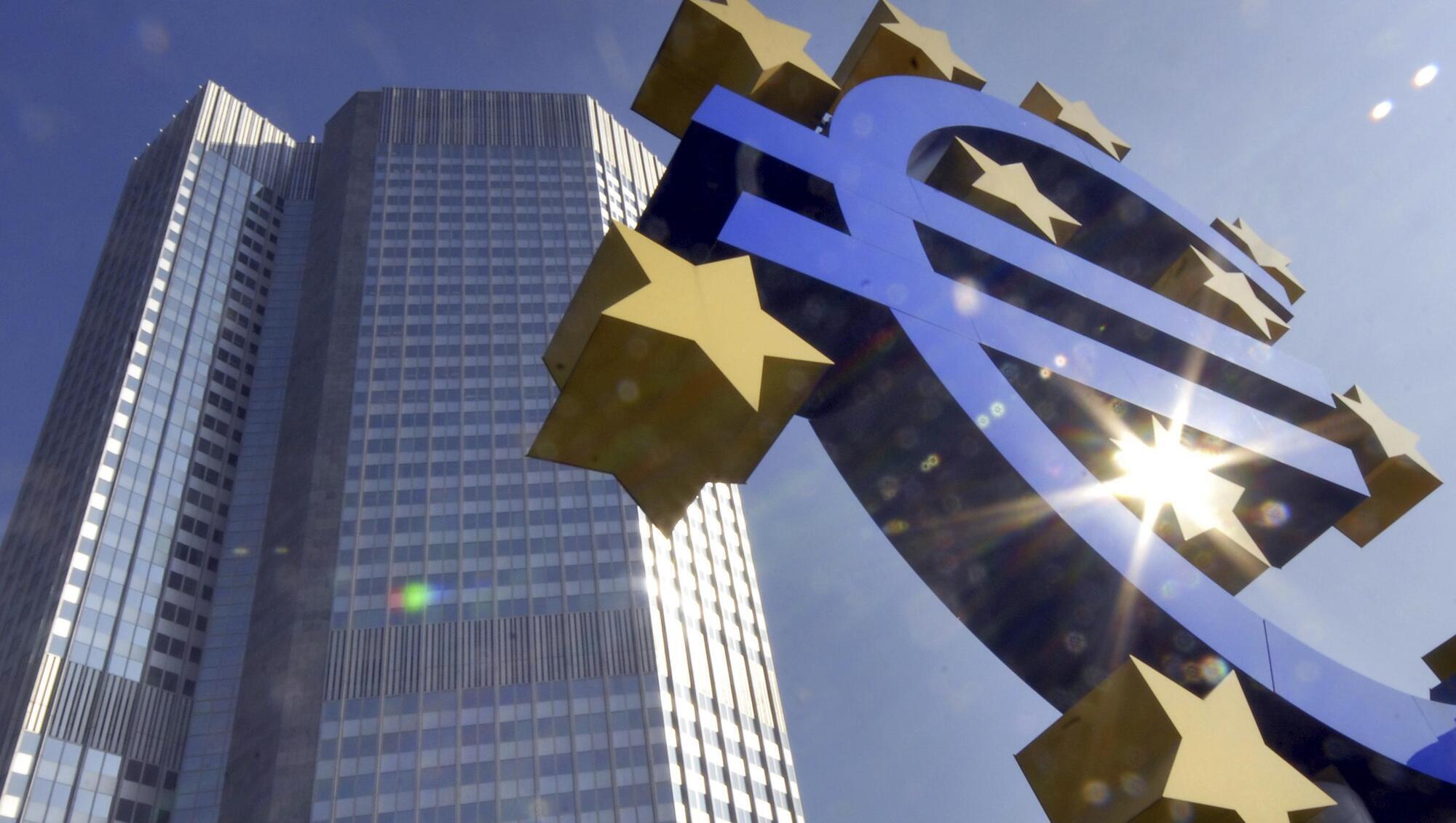
The European Central Bank raised interest rates on Thursday for the second time this year, seeking to quell an energy-driven rise in inflation triggered by the Iran war.
The 0.25% increase will mean tracker mortgage holders here will see an immediate rise in mortgage repayments. It remains to be seen if other lenders will increase rates following the ECB's move.
It is the second ECB increase in the space of three months.
The approximately 130,000 tracker mortgage holders are now facing between €24 and €28 a month increase in monthly mortgage repayments for each €100,000 borrowed, compared with what they were prior to the last increase in June.
Attacks by both sides since the end of August have shattered a month of relative calm, with the US and Iran hitting military, shipping and energy assets. That has sent oil prices back above $100 a barrel and revived fears about a wave of price hikes in the fuel-importing eurozone.
The ECB responded by raising its policy rate to 2.50% from 2.25%, saying inflation was expected to stay above its 2% goal for some time.
"The conflict in the Middle East continues to generate inflation pressures, and inflation is set to remain well above target for an extended period," the ECB said in a press release.
Trevor Grant, chairperson of Irish Mortgage Advisors there is still plenty of competition out there amongst lenders for borrowers to take advantage of. "Borrowers should also be mindful that the full weight of the last two ECB rate increases may not be passed onto those on variable and fixed rate mortgages. The last series of ECB rate increases, which was between July 2022 and September 2023, saw the ECB increase rates by 4.5% whereas bank lenders only increased rates by an average of around 2.25%," he said.
Simon MacAllister of EY Ireland said the increase was widely anticipated by financial markets.
"The focus now shifts to the ECB’s final meeting of the year in December to see if further upward movement will be required. The ECB has consistently said it will follow the data and, between now and then, inflation will be the key thing to watch," he said.
CONNECT WITH US TODAY



Be the first to know the latest news and updates