Apple’s Tim Cook era ends as John Ternus becomes CEO with Cork operations facing new chapter
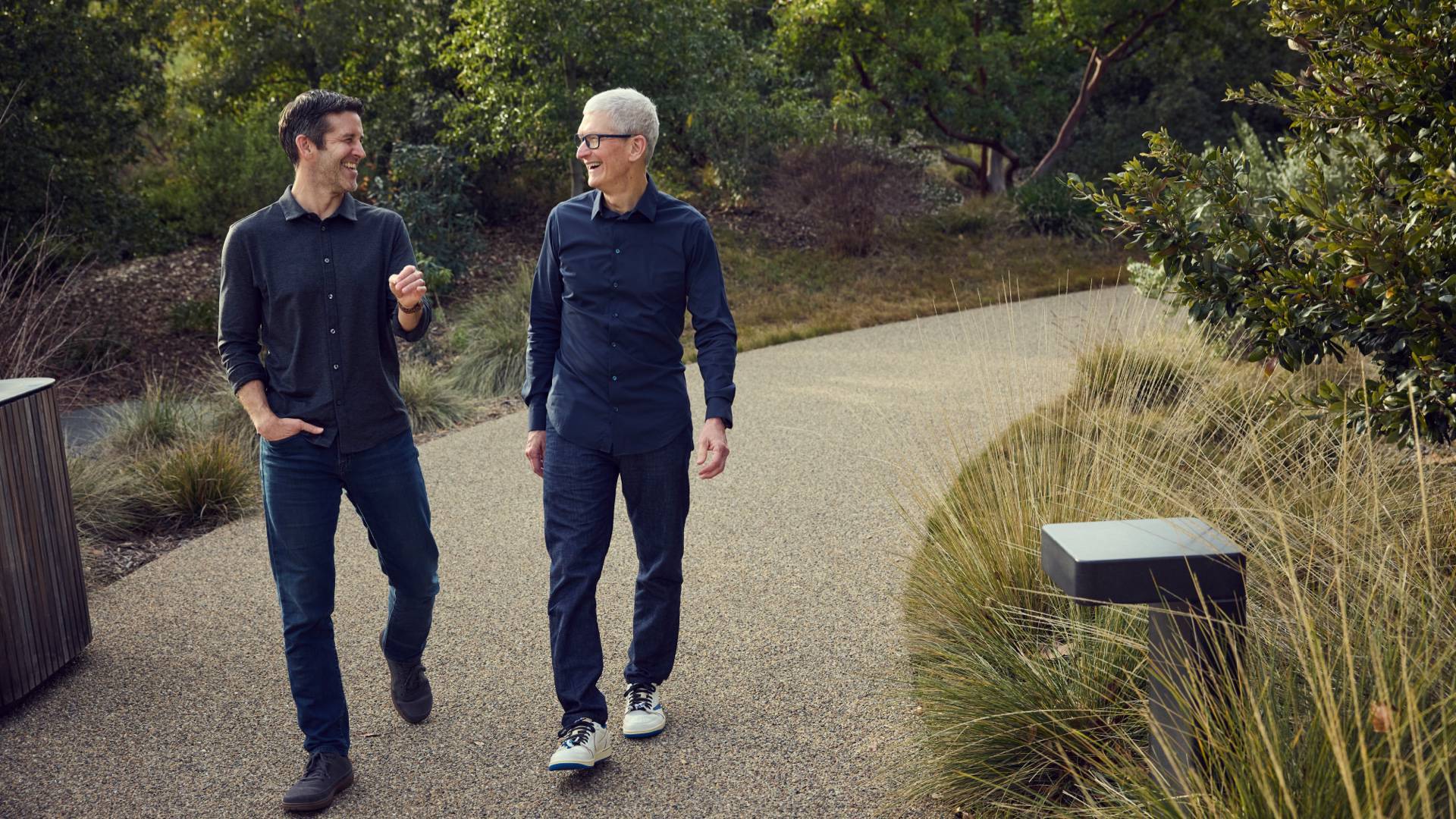
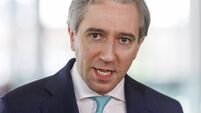
New Apple chief executive John Ternus and executive chairman Tim Cook.
This week marked a turning point for one of Cork’s largest employers, Apple, whose longstanding chief executive Tim Cook stepped down after 15 years in the job leaving the future of one of the world’s most valuable companies in his chosen successor John Ternus.
Handpicked by Steve Jobs to replace him as chief executive, Tim Cook joined Apple in 1998 and was its chief operations officer prior to taking the top job in 2011.
Under Mr Cook’s tenure, Apple’s share price grew 2,258%, bringing its total market capitalisation from less than $350m to about $4.7tn, making it one of the most valuable companies in the world, right behind Nvidia, whose shares have surged in recent years due to mania related to the AI data centre build-out.
Apple was founded in 1976 and just four years later it was already setting up a manufacturing plant in Hollyhill on the northside of the Cork City in 1980. The company had been looking to establish a presence in Europe, with the Irish government and the IDA beating out competition from Britain for the investment.
Mr Jobs was not chief executive at the time of the investment in Cork, that was Michael Scott, but he was still part of the company’s senior leadership and visited the site in 1980 when it first opened. Over the next 15 years, the company expanded its operations at the site, growing its workforce from 60 to 1,500 in that period, while producing computers like the Apple II.
However, increasing competition from tech firms such as Microsoft and the moving of manufacturing to China and other Asian countries led to hundreds of job losses in Cork in the late 1990s.
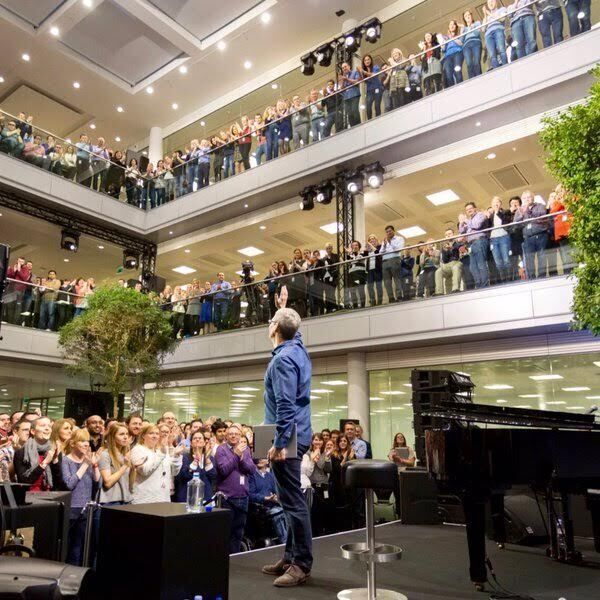
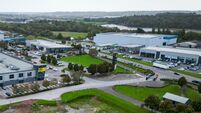
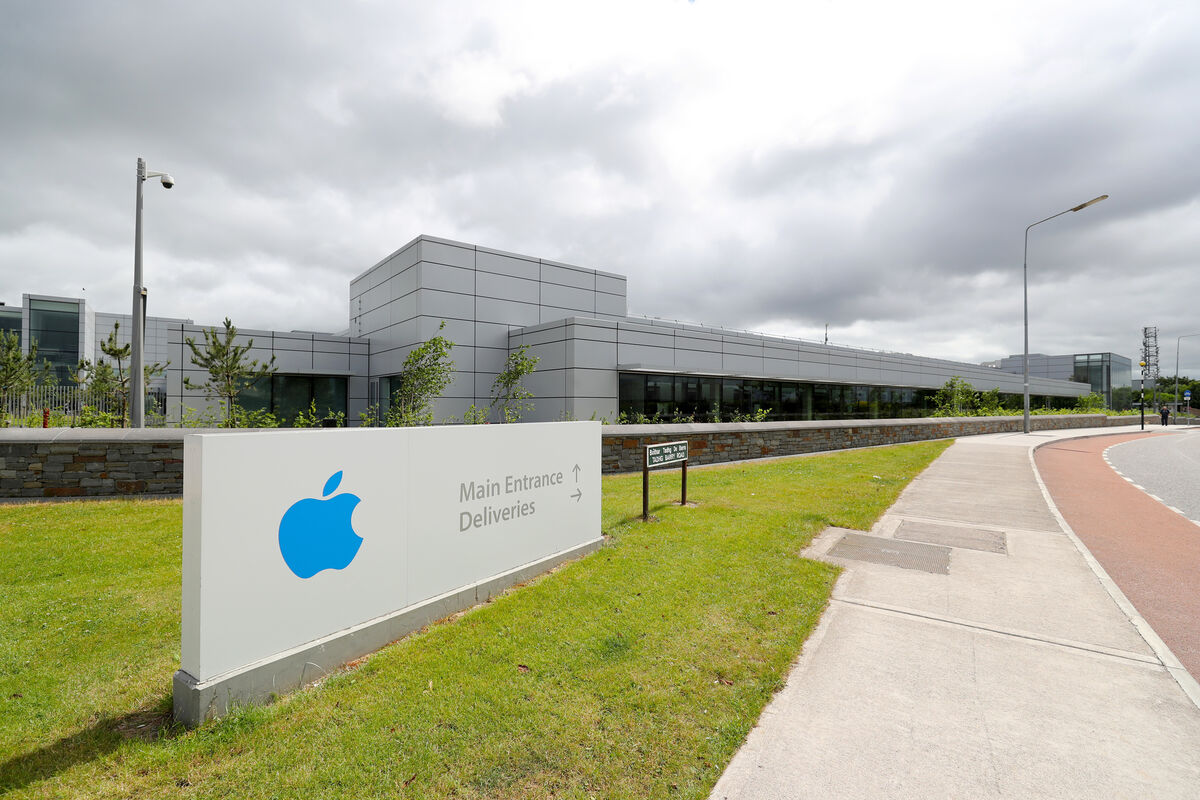
Rather than shutting down operations in the county, Apple instead pivoted its Cork facilities to focus on its services. Today, the Hollyhill campus carries out a wide variety of services, housing teams across the business, from operations, engineering, and manufacturing to procurement, customer support, and AppleCare.
Read More
Despite some setbacks over the years, the company’s Cork facilities, as well as Apple itself, has grown substantially.
By the time Mr Cook took over as chief executive from Mr Jobs, Apple's success was largely built on the back of a handful of products, chiefly the iPod, and iPhone. However, Mr Cook would go on to see the company launch additional products such as Airpods and Apple watch as well as a rejuvenation of the company’s Mac computer line.
But one of the more important moves made by Mr Cook was to shift the company more towards services. Apple’s services segment includes the App Store, iCloud, Apple Pay, Apple Care insurance, as well as its entertainment subscription offerings such as Apple Music and Apple TV.
According to its latest results, for the quarter ending on June 27, the company posted quarterly revenue of $109.4bn, up 16% year on year. Of that, its services segment accounted for $30.74bn.
When Apple’s 2026 fiscal year closes at the end of September, revenue is expected to reach $477bn.
In its last full financial year, ending on September 27, 2025, the company made just under $110bn from its services division.
The greater focus on Apple’s services segment largely came during Mr Cook’s tenure as chief executive.
iCloud had been in the works at Apple prior to Cook taking over the job, but it did launch in October 2011. Apple Pay was initially announced in September 2014 and over time it expanded into new countries.
Apple Music launched in the summer of 2015 in response to the growing popularity of Spotify and the company’s shift away from iTunes. Its streaming service Apple TV — responsible for acclaimed hits like , , and — was announced in 2019.
While Mr Cook did oversee a transformation of Apple’s business, the company has faced criticism in regards to its lack of innovation. Products like the Vision Pro headset failed and a failed foray into self-driving cars fell flat.
In addition, unlike numerous other tech companies who are investing significant sums into AI development, Apple’s offering in this area have been lacklustre as the company has so far held off on fully competing in this space with the likes of Google, OpenAi, or Anthropic.
Its most recently announced AI features will be based on Google’s Gemini model instead of its proprietary model.
Where Mr Cook was a logistics and operations chief executive, Mr Turnus comes from the hardware section of Apple, and while that may be where he may have the most impact, the growth of the services section of the company cannot be ignored.
Apple’s operations in Ireland pre-date that of Microsoft, which began operating in Ireland in 1985, as well as Intel, which opened its Leixlip facility in 1989. As such, it has one of the longest continuing relationships with the State out of all the major tech firms that now have operations here.
That relationship with the State may have been too close at times, particularly when it came to taxation.
In 2016, the EU Commission found Apple received illegal State aid from Ireland over a more than 10-year period between 2003 and 2014, with it declaring the iPhone-maker owed Ireland money in back taxes.
This kicked off a protracted legal battle between the tech firm and the EU Commission, with the Irish Government taking Apple's side in the litigation.
The Government likely considered its relationship with the company, as well as the corporation tax receipts it generates, more valuable in the long-run than what the company could potentially owe in back taxes.
In September 2024, the Court of Justice of the European Union eventually ruled Apple had to pay Ireland €13bn in back taxes. The money was paid to the Government in the subsequent months after the case.
According to reports last month, Apple paid €14.6bn in tax in Ireland during its last financial year, accounting for 39% of its total tax payments.
Evidently, there were no hard feelings coming from Apple in relation to the tax case, as earlier this year it opened its new facility in Hollyhill, which can accommodate up to 1,300 workers, as well as announcing plans to open up a Dublin office for the company.
Apple employs more than 6,000 people in Ireland, but primarily in Cork, and while there may be a changing of the guard at the top of the organisation, its presence in Cork is likely to remain for the long-term.
Pre-tax profits at Apple’s Irish subsidiary for 2025 increased by 6% year-on-year to $80.96bn, in another record year for the business. Revenues rose by $13bn or 6%, from $222.3bn to $235.3bn in the 12 months to the end of September 27 last year.
Apple Operations International Ltd is registered at its Hollyhill campus in Cork, and its group accounts cover most of Apple’s non-US subsidiaries. The company acts as a holding company for a number of Apple subsidiaries. It manufactures and develops everything from the company’s iPhone and iPad products to Mac computers.
After 15 years, attention now turns to John Ternus and what he will bring to the role of chief executive. He joined the company in 2001 and worked his way up through the organisation.
Mr Ternus was promoted to vice-president of hardware engineering in 2013, and by 2021 he joined the company’s executive team, when he took on his current role of senior vice-president of hardware engineering, reporting directly to Mr Cook.
As part of his role, Mr Ternus has overseen some of Apple's most consequential hardware bets in recent years, including the teams behind the iPhone, iPad, Mac, Apple Watch and AirPods.
Most recently, he played a key role in shifting the company’s Mac computers away from Intel chips onto Apple’s own custom ARM-based system-on-a-chip Apple silicon chips which reignited that product category.
Mr Ternus’ first test as chief executive comes next week when the tech giant hosts its annual product launch event, where it is widely expected to unveil a foldable version of the iPhone, along with other product updates.
Mr Cook faced a tough act to follow when he took over from Steve Jobs and while he’ll never be accused of having the same level of charisma as the late Apple co-founder, he put Apple on path to even greater success. Now it’s over to Mr Ternus to see what he can do.
Among the challenges he faces include addressing the company’s poor performance in the AI space so far, which has seen a number of new features based on the technology stumble.
He will need to navigate supply chain questions, which have been volatile over the last year given US President Donald Trump’s implementation of tariffs. He may also have become more acquainted and potentially gain favour with the US president as his predecessor had done.

CONNECT WITH US TODAY



Be the first to know the latest news and updates