Ireland prepares for launch of autonomous vehicles
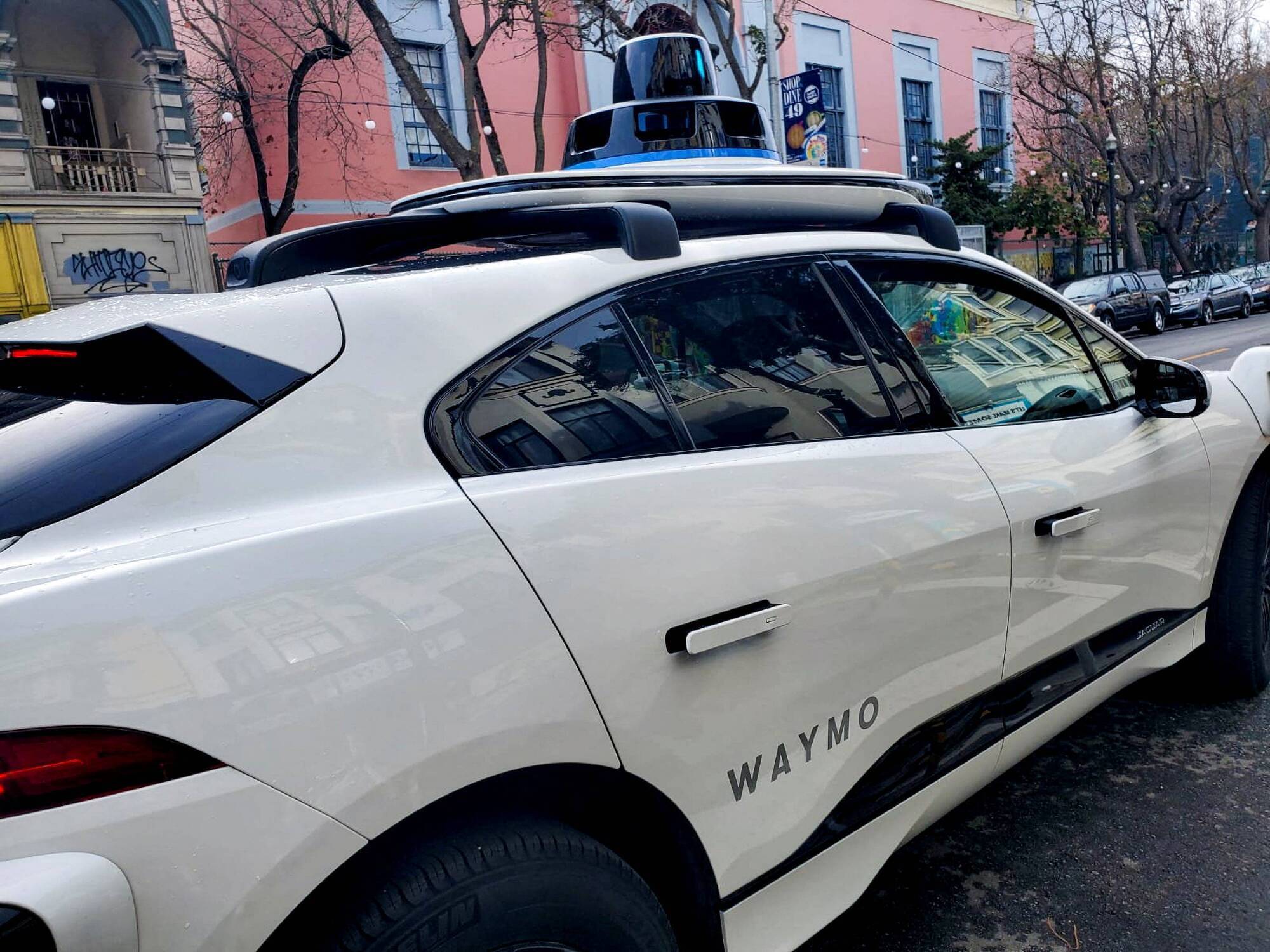
Sooner or later, autonomous vehicles will start appearing on roads across the country.
Autonomous vehicles are no longer a spectacle reserved for the streets of San Francisco and Beijing. A growing number of European cities are following the US’s lead and rolling out trial fleets of autonomous taxi services, commercial launch plans are multiplying, and governments are beginning to move from questions about whether autonomous vehicles will arrive to how they will be integrated safely and effectively.
In Ireland, the Government confirmed in May that it is developing a national strategy for autonomous vehicles in collaboration with the Road Safety Authority, Transport Infrastructure Ireland and An Garda Síochána. The Minister for Transport has also confirmed the transposition of an EU directive designed to support the rollout of autonomous vehicles. This is an encouraging sign of regulatory openness, and gives operators and planners a meaningful window to prepare before the more complex questions arrive.
It is inevitable that sooner or later, autonomous vehicles will start appearing on roads across the country. The question then becomes how quickly they will become commercially viable, what Ireland’s roads will look like when they do and whether the country’s infrastructure and fleets will be ready to manage them.
While the emergence of autonomous vehicles may lead to fears that traditional cars will disappear, the reality will look very different. Just as the rise of electric vehicles has not made traditional vehicles obsolete just yet, the adoption of autonomous vehicles will not mean a total replacement either. Instead, Ireland’s roads will increasingly become a mix of conventional, electric, connected and autonomous vehicles all operating alongside one another.
In March, the Government signed a statutory instrument allowing Level 2 connected and autonomous vehicles to operate legally on Irish roads. Level 2 vehicles provide partial driving automation, meaning advanced driver assistance systems can take control of certain driving functions and, in limited circumstances, allow the driver to remove their hands from the wheel. Vitally, however, the driver remains fully responsible for the vehicle and must be ready to take control of it.
The arrival of Level 2 vehicles represents what will likely become a defining pattern of the next decade, meaning increasing levels of automation introduced alongside traditional vehicles. Some vehicles will remain entirely human-driven, others will provide advanced driver assistance, while genuinely autonomous vehicles will initially operate in specific environments, on particular routes or under defined conditions before fully driverless operation becomes commonplace.
Unlike electric vehicles, however, those entering the autonomous vehicle space first are not individual consumers. They are fleet,leasing and rental operators, like robotaxi deployments, last-mile autonomous deliveries or goods movement on fixed high-volume routes.
Ireland’s fleet industry has already gone through significant changes in recent times, from the growing adoption of electrification and connected vehicle technology to rising operating costs and continued pressure around driver recruitment and retention. Earlier this year, protests by Irish hauliers and farmers highlighted the noticeable pressure they are under when faced with rising fuel costs. The rise of autonomous vehicles adds a further layer of complexity, but within that challenge it also presents a unique opportunity.
For operators, autonomous vehicles do not simply represent the removal of drivers. Greater automation can help fleets optimise routes, reduce downtime, improve vehicle utilisation and make operations more predictable. The challenge will be ensuring this technology can be incorporated into the systems and processes that already underpin fleet operations, rather than treated as a standalone solution.
Beyond this, if autonomous vehicles are to become a true reality in Ireland, they need to work on Irish roads. The country has a combination of motorways, urban streets, narrow rural and regional roads, with varying road markings and infrastructure. Any driver knows that vehicles can encounter all types of events in any one journey no matter the distance from pedestrians, cyclists, agricultural machinery, temporary roadworks and rapidly changing weather conditions, but to name a few.
These are not minor details for autonomous vehicles but factors that determine whether a vehicle can understand its environment and act accordingly, helping to ensure the safety of both passengers and others on the road. Ireland’s autonomous future will not simply depend on the sophistication of the vehicles themselves, but on how well the technology can be adapted to its roads and conditions. Safety is the fundamental reality.
With the Department of Transport liaising with Future Mobility Campus Ireland (FMCI) to provide a closed-loop testbed for autonomous vehicles, Ireland is building out its competitiveness with other European countries and has the opportunity to build out a coherent approach to testing, regulation and infrastructure before autonomous vehicles become widespread.
The direction of travel in Europe is clear. AI and the computational power behind it are accelerating the autonomous vehicle timeline faster than many anticipated.. The European Commission’s ADACities initiative, launched in June, signals a step up in ambition with selected cities that will target fleets of 100 or more autonomous vehicles by 2030, with the goal of becoming leaders in autonomous mobility innovation.
For both private consumers and fleet operators, this means continued efforts need to be made on the regulatory, tech and digital front to integrate autonomous vehicles into the traffic infrastructure.
If Ireland wants to stay ahead in the race, it needs to build on its national strategy and on the fleet infrastructure already in place to manage today's connected and assisted vehicles. These are the same foundations that autonomous vehicles will ultimately depend on.
CONNECT WITH US TODAY



Be the first to know the latest news and updates