Alan Healy: A half-pint rescue for the rural pub
The proposed scheme leaves the original question hanging: is a small pub in Ballincollig a rural pub?
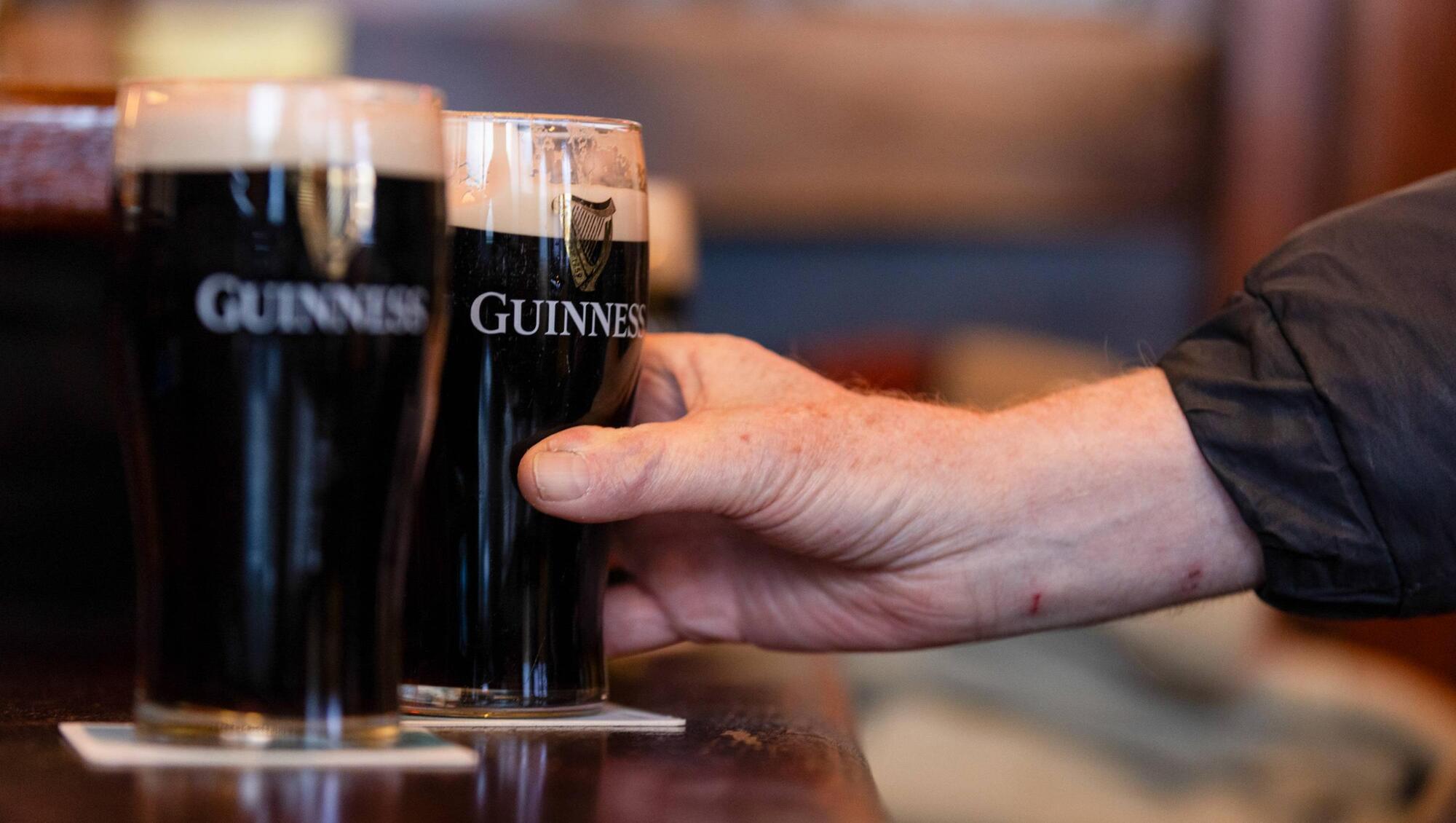
When it comes to rescuing Ireland's rural pubs, the Government this week walked up to the bar and ordered a half pint.
We have heard the statistics before, but they remain stark. More than 2,200 pubs have closed across Ireland since 2005. Counties like Cork have seen their number drop from 1,221 to 821 in 20 years. Against that, Budget 2027 offered €15m to "keep our pub doors open". The figure was a fifth of the €73m that bodies like the Vintners' Federation of Ireland (VFI) had asked for.
It is not nothing and could be argued it is the start of a longer programme for support. VFI's Pat Crotty called the €15m "a great starting point".
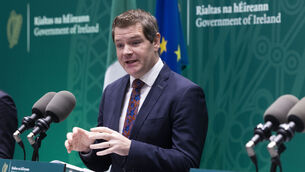
But the fact the Government has put the money on the table at all is proof of them conceding the central point: that rural pubs in Ireland are worth saving. In speeches by the Tánaiste Simon Harris and the Minister for Enterprise Peter Burke, they used the word community, the precise word the industry has used to describe the venues, which in many towns and villages have seen their number dwindle, down to just one in many instances. Mr Burke said the rural pubs are a “focal point for much of society to interact” and have been a “key area to combat social isolation”.
So the government is now on record as agreeing these businesses are worth saving, but €15m, spread across the thousands of pubs that might qualify, will end up being spread very thinly. How thinly? The VFI's own figures provide some guidance. Its proposed draught rebate, costing €73m a year, would have been worth just over €4,700 annually to a typical rural pub selling 245 kegs. The Government has found a fifth of that money, and Mr Burke says roughly 70% of rural pubs fall into the turnover tier he has in mind. On those numbers, the cheque for many publicans could be closer to €1,000 a year.
There is a respectable argument to be made which deserves to be heard, and that is that many towns in Ireland simply had too many pubs, or too many than their populations could sustain. Main streets of towns around Ireland with eight or nine pubs are from a different, if recent, Ireland. As drinking habits changed and new ventures arrived, the closure of many venues was a case of a market finding its natural level. The smoking ban, tougher drink-driving laws, cheaper drink in supermarkets and a younger generation that drinks less have all chipped away at the trade.
Local economies have diversified, and pubs are no longer the only show in the parish as a source of entertainment and community gathering. Cafes, the gym, GAA clubs, and a Netflix subscription all compete for attention. But there is a general acknowledgement that these businesses have a place, and even a vital role, in a modern Ireland. While the Budget supports this view, the mechanism it is employing raises questions.
The support scheme is to be based on turnover, though the details won't be worked out until July. However, a further issue is that turnover is not profit. A pub can be busy but still under severe strain with energy bills, wages and insurance.
Also, by basing the scheme on turnover, the Government has moved its focus from rural pubs to smaller ones. Nothing wrong with that as size is a reasonable measure of who's struggling. But it leaves the original question hanging: is a small pub in Ballincollig a rural pub? On turnover alone, it may well qualify. If this is a small-pubs scheme, fine, but the Government should say so, rather than badge it as a rescue for rural Ireland. A turnover test also has the risk that a small but healthy pub qualifies while a bigger one in real trouble doesn't.
The Licensed Vintners Association, which represents more urban pubs, had wanted a cut in excise along with measures to make it easier to open late. They argued excise rates here are amongst the highest in Europe at a time when alcohol consumption is falling. There is an irony here as Minister Burke, now tasked with designing the scheme, went into Budget talks pushing for a cut in alcohol excise, precisely because pubs that don't serve food were left out of the 9% hospitality VAT rate.
The support scheme might end up being the worst of both worlds. The Government has accepted the argument that rural pubs are worth public support, and then funded that support at a level too small to change the outcome. It is difficult to see how the doors will not keep closing. The 15 million will be spent. And in a few years we'll be back having the same conversation, with fewer pubs left to have it in.
If a sector is genuinely part of who we are, you back it properly or you stand back and let the market do its work.
The fear is that Government has split the difference and called it a policy. To put it another way, they have ordered a half, and called it a round.


CONNECT WITH US TODAY



Be the first to know the latest news and updates