Tourism sector seeks expansion of 9% Vat cut for attractions and camping sites
Cutting Vat in these three segments of the tourism sector would cost €17.6m
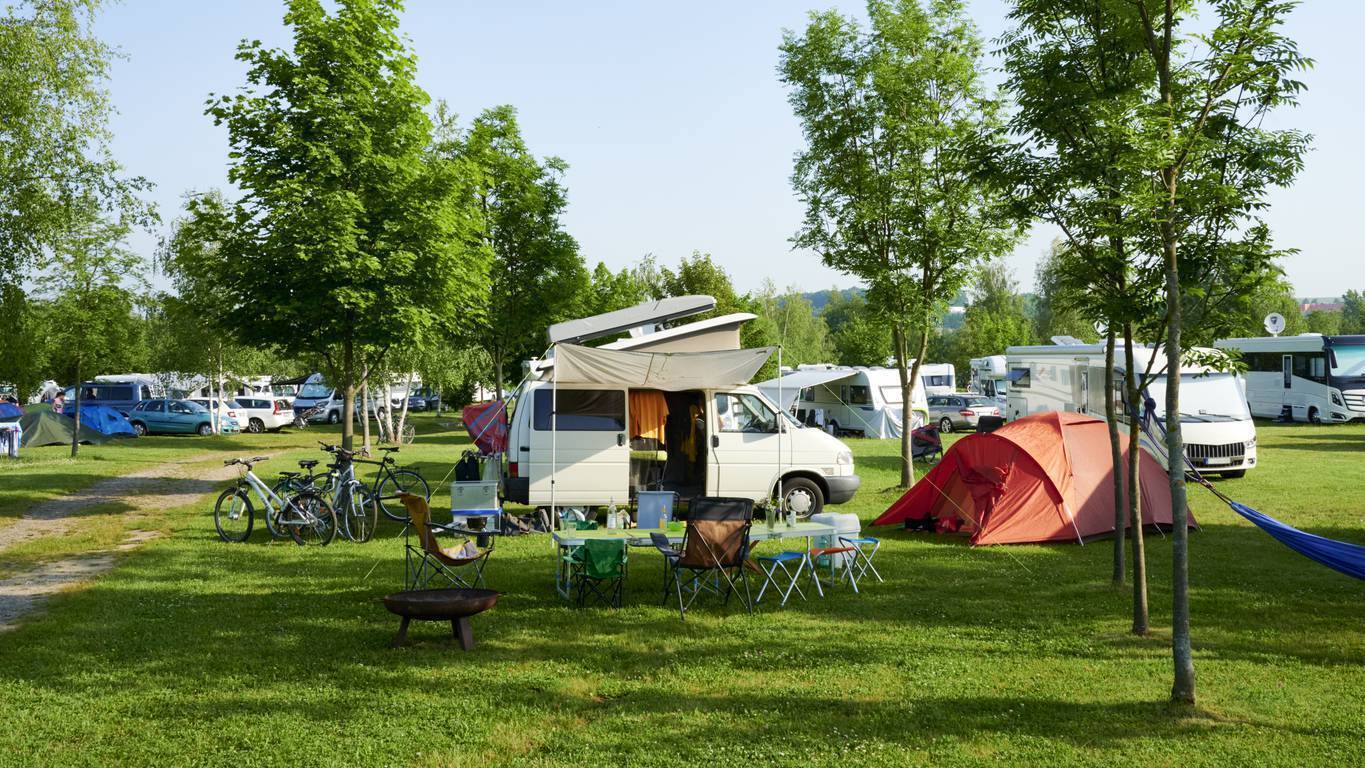
Extending the 9% Vat rate to three additional segments of the tourism sector - camping and caravans, attractions, and adventure segments - would cost €17.6m and “enhance” their competitiveness and sustainability in a “challenging environment", a new report has said.
The report, commissioned by the Irish Tourism Industry Confederation (ITIC) and written by economist Jim Power, said that the tourism sector is facing “many challenges” from rising operating costs, such as labour, energy, and insurance costs, as well as “global geopolitical developments are creating considerable uncertainty”.
The report estimates that cutting Vat in these three segments of the tourism sector would cost €17.6m. The majority of which, €14m, would be seen in the attractions sector which includes museums, galleries, historic sites, visitor heritage centres, leisure and theme parks, zoos, aquariums, distilleries, and science centres, among others.
The report noted that in 2025, the attractions sector employed 6,615 people and is estimated to have €458m in revenue.
“Visitor attractions are particularly impacted by rising labour costs due to the high level of seasonal employment; maintaining core staff during the lean winter months can be equally challenging. Wage costs make up 52% of operating expenditure, and insurance premiums have risen by an average of 12% each year for the last three years,” the report said, citing a survey from the Association of Visitor Experiences and Attractions.
The report added that Ireland’s dependence on foreign direct investment is potentially under threat from US policy and as a result “it is essential to ensure that the multi-national risks and over-dependence are counteracted by the nurturing of a strong and sustainable indigenous small and medium sized enterprise economy”.
“Tourism is particularly important in this regard.
“A 9% Vat rate would enhance the competitiveness and sustainability of these important sectors for tourism in a challenging environment."
This call from the ITIC comes following the reintroduction of the 9% Vat rate for food-led hospitality businesses at the start of last month which is expected to cost the Exchequer €232m through the remainder of this year and €681m throughout a full year.
According to the summer economic statement published last month, the Government is planning on increasing spending by €8.5bn this year of which €1.5bn is being earmarked for tax cuts.
The document, which outlines the broad parameters of the budget, says the Government will have €7bn in additional spending capacity in October's budget, with a further €1.5bn available for a tax package. Increasing income tax bands is expected to take up a significant proportion of the package.
“The industry is under pressure due to high costs and capacity constraints, and competitiveness has been sharply eroded. Given that the lower Vat rate now applies to other elements of the tourism sector, it would be appropriate to apply it to the visitor attraction, camping and caravan, and adventure sectors,” the report concluded.
The ITIC said it has submitted this report to the Government for consideration in advance of the budget in October. It is due to meet with the Government next month in advance of the budget.
The report from the ITIC comes as visitor numbers to Ireland are experiencing a rebound following a difficult 2025.
According to figures from the Central Statistics Office (CSO), during the first half of this year an estimated 3.2m tourists have visited Ireland, an increase of 15% compared to last year.
In addition, at least 4,900 beds have become available again for the tourism industry over the past year as the number of beds under State contract to house international protection applicants and refugees from Ukraine has fallen by 10%.


CONNECT WITH US TODAY



Be the first to know the latest news and updates