Bank warns of rise in tap-to-pay scams in busy summer months
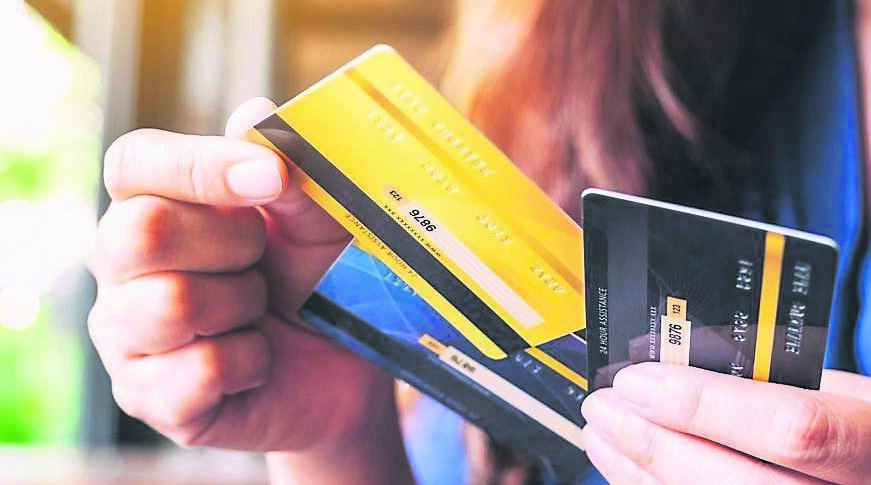
Fraudsters in shops and crowded areas are using portable payment devices to tap credit cards in customers’ pockets and handbags. File picture
Tap to pay scams are on the increase — especially during the summer months where large gatherings of people become more frequent. Criminals currently favour two main methods of stealing money from unsuspecting victims — point of sale scamming and ‘ghost tapping’.
The tap-to-pay scam typically involves a customer being told one amount verbally, for instance €30, but then a much higher amount of €300 is entered on the card terminal. This often occurs in high pressure and crowded environments — concerts, open air events and weekend markets.
Ghost tapping is on the increase also, with a surge in victims where fraudsters use portable point-of-sale devices in crowded locations. They brush close to your pocket or bag to activate a near field communication device, which allows them to siphon small microtransaction amounts from your card.
Fraud analysts say claims tied to ghost tapping — also known as ‘signal sniffing’ — have surged by 150% during the past year, with scammers often targeting crowded places where people may be distracted, such as shopping malls and airports.
If you have a credit card with a chip, which all of us do, make sure that you protect that chip, goes the advice. Don't leave the card out, and don’t have it in a back pocket without any protection, where someone could walk up and tap it.
Bank of Ireland’s campaign — ‘Think before you tap’ — aims to increase consumer awareness of these scams. “Card payments are quick and convenient, but that speed can also be exploited by fraudsters,” says Nicola Sadlier, head of fraud at Bank of Ireland.
“We are seeing an uplift in cases where people are being caught out by significantly higher amounts being entered at the point of payment. The key message is simple: check the total before you tap. Fraudsters often rely on distraction, pressure, or a busy environment to push a payment through before the customer has had a chance to notice the amount being charged.”
Taking just a moment to look at the card terminal before tapping or entering your PIN can help prevent this type of fraud, she advises. “If the amount doesn’t look right, stop the transaction and query it immediately.”
Bank of Ireland’s guidance to help customers stay in control includes:
- always check the amount shown on the card terminal before tapping or entering your PIN;
- be cautious if you feel rushed or pressured into making a payment quickly;
- avoid handing your card to anyone else to complete a transaction;
- enable card transaction alerts so you can spot unexpected charges instantly;
- and review bank statements regularly and report anything unusual immediately.
As the holiday season gears up for the summer rush, travel scams linked to QR codes, fake booking confirmations and ‘reservation hijacking’ are gaining attention across travel media. Jürgen Himmelmann, travel expert at Global Work & Travel, says the biggest risk is that these scams no longer look obvious.
“The old idea of a travel scam was someone selling a fake tour on the street. The newer version is much harder to spot because it often looks like normal travel administration. A QR code in an airport, a hotel payment message, a flight re-booking link or a booking confirmation email can feel completely routine when you are tired, rushing or trying to get online abroad. That is exactly when people make quick decisions.”
He highlights the ‘four-tap scam’ as particularly convincing: “You scan, open, enter details and approve payment before you have properly checked who you are paying.”
Recent warnings have highlighted fake QR codes being placed over legitimate ones, phishing messages that appear to come from trusted travel brands and scams using real booking details to trick travellers into making payments.
Himmelmann advises travellers to watch out for some common scams this summer:
- fake QR codes in airports, hotels and taxi ranks;
- scammers placing stickers over genuine QR codes, sending travellers to fake payment pages or login forms;
- and fake booking confirmation emails.
“Be sceptical of urgency. Any message that demands immediate action especially around payments or verification should raise a red flag. Legitimate providers rarely require instant responses.”

CONNECT WITH US TODAY



Be the first to know the latest news and updates