Alan Healy: Ireland's luck may be running out with Big Tech and job cuts
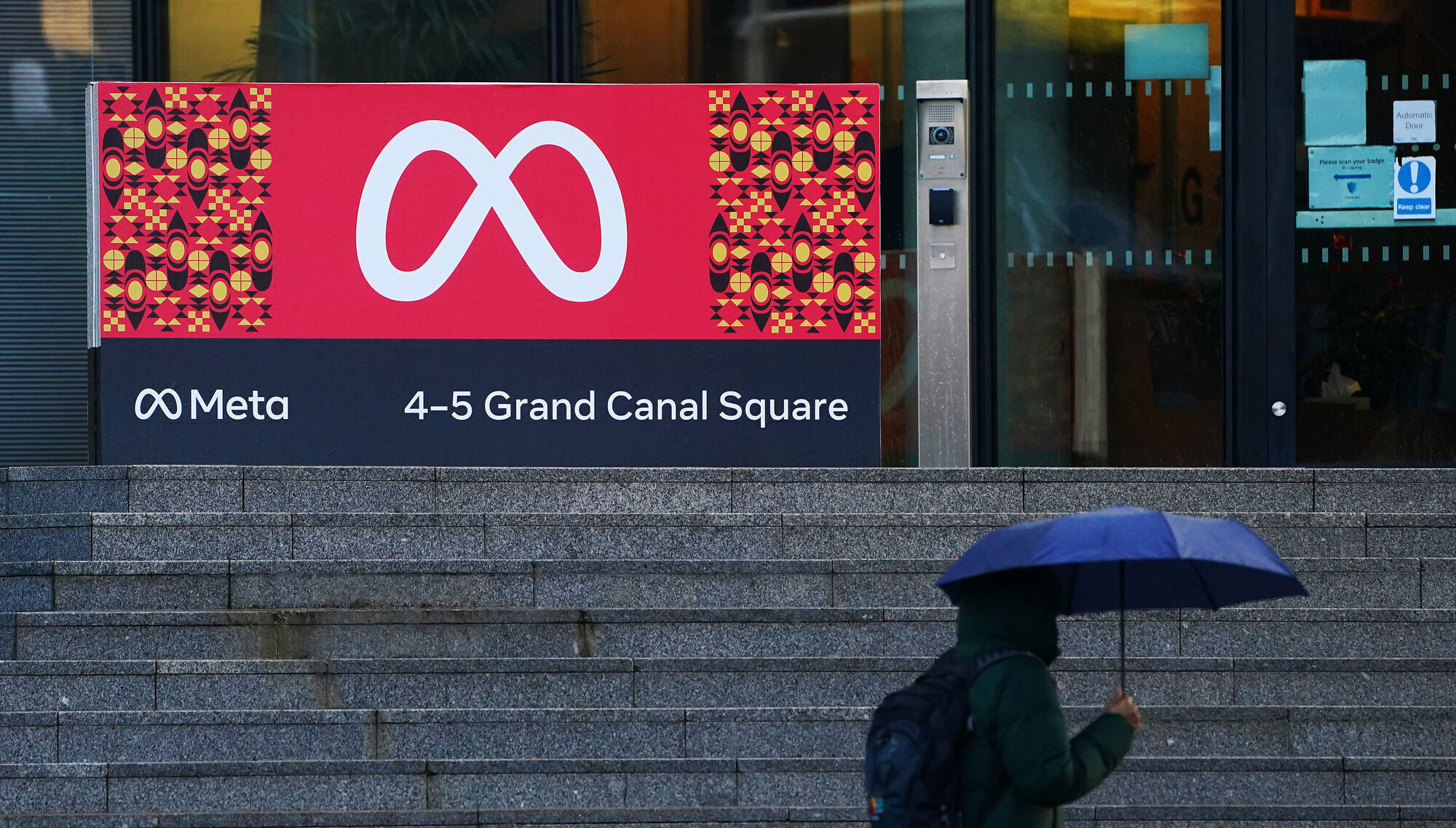
Concerningly, the tech reduction is joined by an overall rise in the unemployment rate to 4.9%, up from 4.3% a year ago. File picture: Brian Lawless
On the surface, Meta's decision this week to cut 350 workers from its Irish operations has come as a shock and will provide a jolt to Ireland's assumed position as Europe's 'tech capital'.
The valuable IT sector has been extremely volatile over the past decade. The pandemic saw a surge in demand for all IT services, and companies rushed to expand their operations to meet demand. Ireland benefited hugely.
But what goes up must come down, and as the world opened up from lockdowns and a sense of normalcy returned, the tech giants took a sobering look at their headcounts.
However, while many of the largest IT companies made dramatic job cuts, Ireland remained largely unscathed. That luck may be running out.
Read More
When Meta flipped from virtual reality to AI, they cut thousands of jobs that CEO Mark Zuckerberg had put in place when he was anticipating a future of virtual reality headsets. Meta has retained its virtual reality operation located in Cork with close ties to the Tyndall Institute. However, the company confirmed this week it is cutting 350 jobs from its operations here, a significant reduction.
The CSO published its Labour Force Survey for the first quarter on Thursday morning. It would make for stark reading for anyone in the tech sector. Tech employment has fallen by 20,300 over the past year, a drop of 10.7% in just 12 months to 169,000, the lowest level in five years. Not a blip, more like a structural shift.
Meta in Ireland is part of a wider, global shift. An estimated 95,000 jobs in the worldwide tech industry have been cut. Meta joins Microsoft, Oracle and Cisco in reducing headcounts. The companies are frantically readjusting their businesses for the new AI world, an adjustment that requires as much job destruction as it will creation and Ireland is in the crosshairs.
Concerningly, the tech reduction is joined by an overall rise in the unemployment rate to 4.9%, up from 4.3% a year ago — a significant jump. Long-term unemployment has also risen by 15,500, a cohort that is notoriously difficult to bring back into the labour force.
But looking beyond the tech campuses, the same CSO data tells a different story. The construction sector added 20,500 jobs last year, almost the exact same number lost by tech. The transport sector is growing strongly, and crucially, self-employment surged by 25,900 people — a rise of 7.3% — highlighting the growing and vital entrepreneurial response within a changing economy.
Another traditional and constantly overlooked sector: small and medium-sized businesses are pulling their weight. A survey from Linked Finance this week of 370 SMEs found small firms are adding jobs at the fastest pace in almost a decade. The employment gap — the net balance between firms hiring and those cutting — has widened to eight points, the strongest reading since 2016.
Job growth is being driven by mid-sized businesses of between four and nine staff, and critically, by firms outside Dublin. This is a meaningful reversal of recent trends. Overall SME optimism holds at 63.5% positive. These are businesses with no AI infrastructure budget to redirect and no shareholders seeking headcount cuts. They are simply responding to customer demand and getting on with it. The fact that this is happening despite ongoing geopolitical turbulence — including the impact of the Iran conflict on global shipping costs — makes the resilience more notable, not less.
If current trends continue, we will see the emergence of a twin-track labour market. Domestic Ireland — made up of builders, brokers and café owners employing four to nine people in towns outside Dublin and Cork — is on a very different track.
The alarm bells are real. The modern Irish economy has been built and expanded upon by the tech sector. The giants all have a base here. Alongside pharma, they account for a concerningly high proportion of our corporate and income tax receipts, a concentration that has long made economists nervous, and is now making everyone else nervous too.
But green shoots elsewhere are promising. The construction boom we are seeing will continue, and it needs to satisfy our insatiable demand for housing. Last October's Budget marked a sea change, finally putting a firm focus on capital and infrastructure development. The new motorways, metros, hospitals and Luas lines will require even further labour expansion, so we should see the sector continue to expand.
CONNECT WITH US TODAY



Be the first to know the latest news and updates