Long-term Middle East conflict could see 'fewer long-haul visitors' visiting Kerry
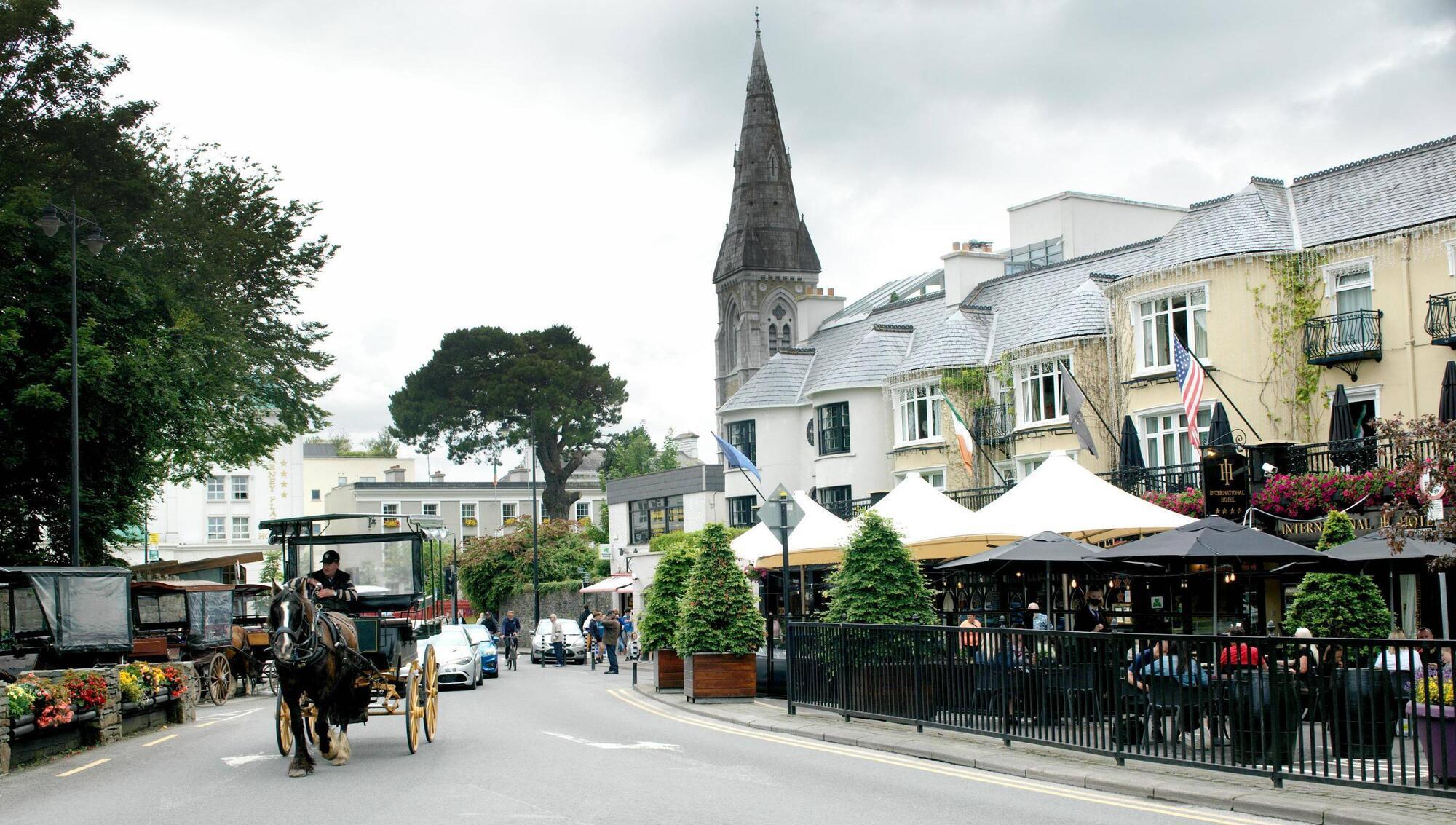
Liam Hessiom warned Killarney businesses to remain reactive and agile to the increasingly uncertain geopolitical landscape. Photo Don MacMonagle
A long-term conflict in the Middle East could hurt Kerry's tourism industry if rising travel costs translate into fewer long-haul visitors and budget-conscious tourists cancelling their trips.
That is according to the managing partner at BDO, Liam Hession, who warned Killarney businesses to remain reactive and agile to the increasingly uncertain geopolitical landscape.
Speaking to businesses at the Killarney Chamber of Tourism and Commerce on Monday, Mr Hession said before the commencement of the conflict and for the first two months of 2026, international arrivals grew by 30% compared to the same period in 2025, with a 31% rise in spending.
Read More
He noted that Fáilte Ireland expects tourism demand to remain stable for 2026, but that forward bookings for 2027 are currently behind last year’s comparable levels.
“If the conflicts are to last into the longer term, this will give rise to rising travel costs which would result in fewer long-haul visitors," Mr Hession told chamber members.
On a positive note, however, Mr Hession said Ireland may benefit from substitution effects due to its reputation as a stable destination. This is already seen currently with cancellations in Cyprus tourism due to the proximity to the conflict, the managing partner noted.
“Again, with higher airline costs, Irish residents are more likely to holiday at home, but this may mean booking later and choosing shorter trips," Mr Hession said.
“This increased volatility and risk exposure, together with our own national issues, means more unpredictable demand cycles with a greater need for diversified markets and flexible pricing and marketing."
The managing director noted that high-end and five-star resorts have performed particularly well in the region since the pandemic, adding: "While many businesses were fighting just to get back to 2019 levels, several Ireland’s top-end resorts not only recovered quickly but they have, in many cases, exceeded their pre-pandemic performance.
“They’ve managed to grow average rates, attract high-spend guests and sustain strong demand in a very challenging operating environment."
He said consumer behaviour underwent significant shifts in the aftermath of the pandemic, with people having more pent-up demand for travel, extra savings, and a "treat yourself" mentality.
However, he also noted several challenges such as labour shortages and rising costs, noting that leading resorts are now paying above average for critical staffing roles and providing enhanced benefits.

CONNECT WITH US TODAY



Be the first to know the latest news and updates