Retirees at An Post and Eir to bring pension protest to the Dáil
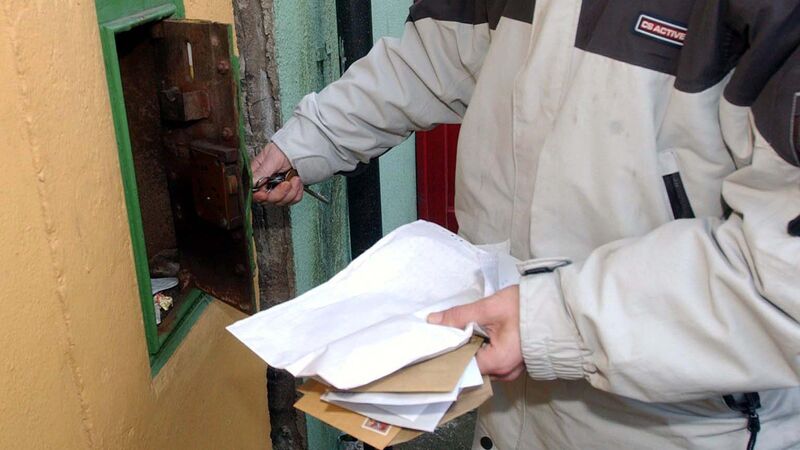
A postal worker collecting letters. A protest will take place at the Dáil next Tuesday at delays in paying pension increases to more than 20,000 pensioners who worked at An Post and Eir. Picture: Dan Linehan
A protest will take place at the Dáil next Tuesday to vent frustrations at delays in paying pension increases to more than 20,000 pensioners who worked at An Post and Eir.
The Communications Workers’ Union (CWU) will lead the protest at Kildare Street on Tuesday February 10 at 1pm. The CWU says that agreed pension increases for retired staff of Eir and An Post are being delayed because the communications minister has not yet given formal approval. The union says that all required processes having been completed by unions, trustees, actuaries and company boards.
“There is no financial justification whatsoever for this delay," said CWU general secretary Seán McDonagh. "Previous pension increases have been paid on every occasion, a position reinforced by recent High Court judgements. Yet despite the robust governance that is in place for these pension schemes, including independent actuarial oversight and established processes, pensioners are once again being subjected to needless bureaucratic delays with Minister Patrick O’Donovan’s office unable, or unwilling, to give any timeline for a decision on when his approval to pay these pension increases may be forthcoming.”
According to a CWU spokesperson, a postman with 40 years services who gets a driving allowance and starts work at 7am can expect an average pension of around €360 per week. "The pension increase of 7% that he is entitled to but which is being delayed amounts to around €25 per week, or €1,300 per year which is a lot of money for someone on a fixed income," the spokesperson said.
The CWU is also highlighting a delay in approvals for superannuation pension payments to 60 postal workers who retired on health grounds. The CWU said there is a two-and-a-half-year delay in pension payments "which would cost less than €10,000 per year to a fund valued at €3bn, and with a surplus of €383m as of December 31, 2025".


CONNECT WITH US TODAY



Be the first to know the latest news and updates