Rollercoaster week in US stocks leaves investors braced for bumps
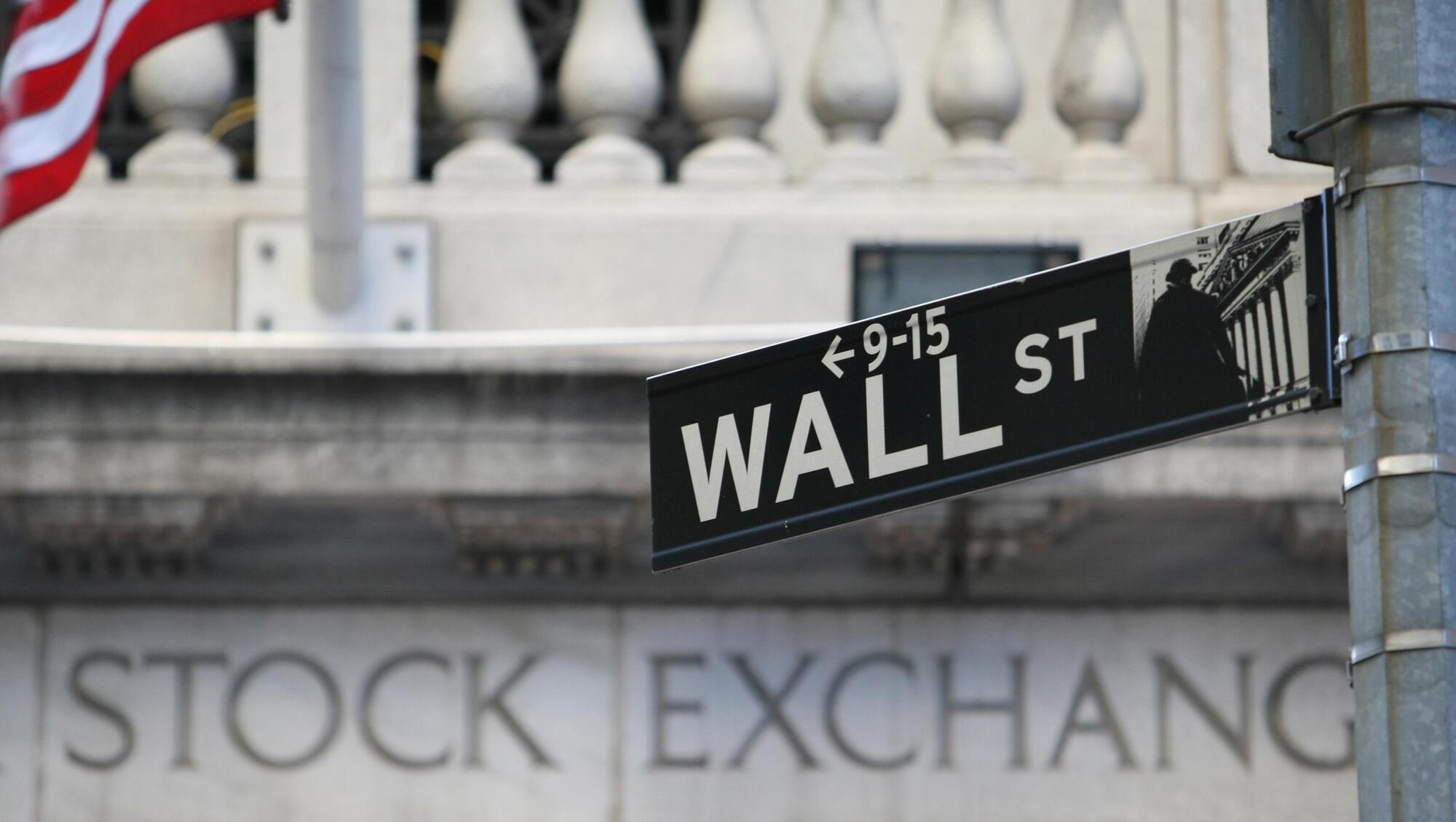
The S&P 500 is still down around 6% from a record high set last month.
A week of wild market swings has investors looking ahead to inflation data, corporate earnings, and presidential polls for signals that could soothe a recent outbreak of turbulence in US stock.
Following months of placid trading, US stock volatility has surged this month as a run of alarming data coincided with the unwinding of a massive, yen-fuelled carry trade to deal equities their worst sell-off of the year.
The S&P 500 is still down around 6% from a record high set last month, even after making up ground in a series of rallies after last Monday’s crushing sell-off.
At issue for many investors is the trajectory of the US economy. After months of betting on an economic soft landing, investors rushed to price in the risk of a more severe downturn, following weaker-than-expected manufacturing and employment data last week.
“Everybody is now worried about the economy,” said Bob Kalman, a portfolio manager at Miramar Capital.
Though stocks have rallied in recent days, traders believe it will be a while before calm returns to markets.
Indeed, the historical behaviour of the Cboe Volatility Index — which saw its biggest one-day jump ever last Monday — shows that surges of volatility usually take months to dissipate.
Known as Wall Street’s fear gauge, the index measures demand for options protection from market swings. When it closes above 35 — an elevated level that it topped last Monday — the index has taken 170 sessions on average to return to 17.6, its long-term median and a level associated with far less extreme investor anxiety, a analysis showed.
One potential flashpoint will be when the US reports consumer price data on Wednesday. Signs that inflation is dropping too steeply could bolster fears that the Federal Reserve has sent the economy into a tailspin by leaving interest rates elevated for too long, contributing to market turbulence.
For now, futures markets are pricing in a 55% chance the central bank will bring down benchmark interest rates by 50 basis points in September, at its next policy meeting, compared with a roughly 5% chance seen a month ago.
“Slower payroll growth reinforces that US economic risks are becoming more two-sided as inflation cools and activity slows,” said Oscar Munoz, chief U.S. macro strategist at TD Securities, in a recent note.
Corporate earnings, meanwhile, have been neither strong enough nor weak enough to give the market direction, according to the head of hedge fund ValueWorks, Charles Lemonides.
Overall, companies in the S&P 500 have reported second-quarter results that are 4.1% above expectations, in line with the long-term average of 4.2% above expectations, according to LSEG data.
The end of the month brings earnings from chip giant Nvidia, whose shares are up around 110% this year even after a recent sell-off.
Mr Lemonides believes the recent volatility is a healthy correction during an otherwise strong bull market, and he initiated a position in Amazon.com to take advantage of its weakness.
The US presidential race is also likely to ramp up uncertainty.
Democrat Kamala Harris leads Republican Donald Trump 42% to 37% in the race for the November 5 presidential election, according to an Ipsos poll published last Thursday.
With nearly three months until the vote, investors are braced for plenty of additional twists and turns in an election year that has already been one of the most dramatic in recent memory.
"While early events suggested a clearer picture of US presidential and congressional outcomes, more recent events have again thrown the outcome into doubt," analysts at JPMorgan wrote.
Chris Marangi, co-chief investment officer of value at Gabelli Funds, believes the election will add to market volatility. At the same time, expected rate cuts in September could boost a rotation into areas of the market that have lagged in a year that has been dominated by Big Tech, he said.
“We expect increased volatility into the election but the underlying rotation to continue as lower rates offset economic weakness,” he said.
- Reuters

CONNECT WITH US TODAY



Be the first to know the latest news and updates