Ronan Dunne: EU competition law bears down on Uefa and Fifa
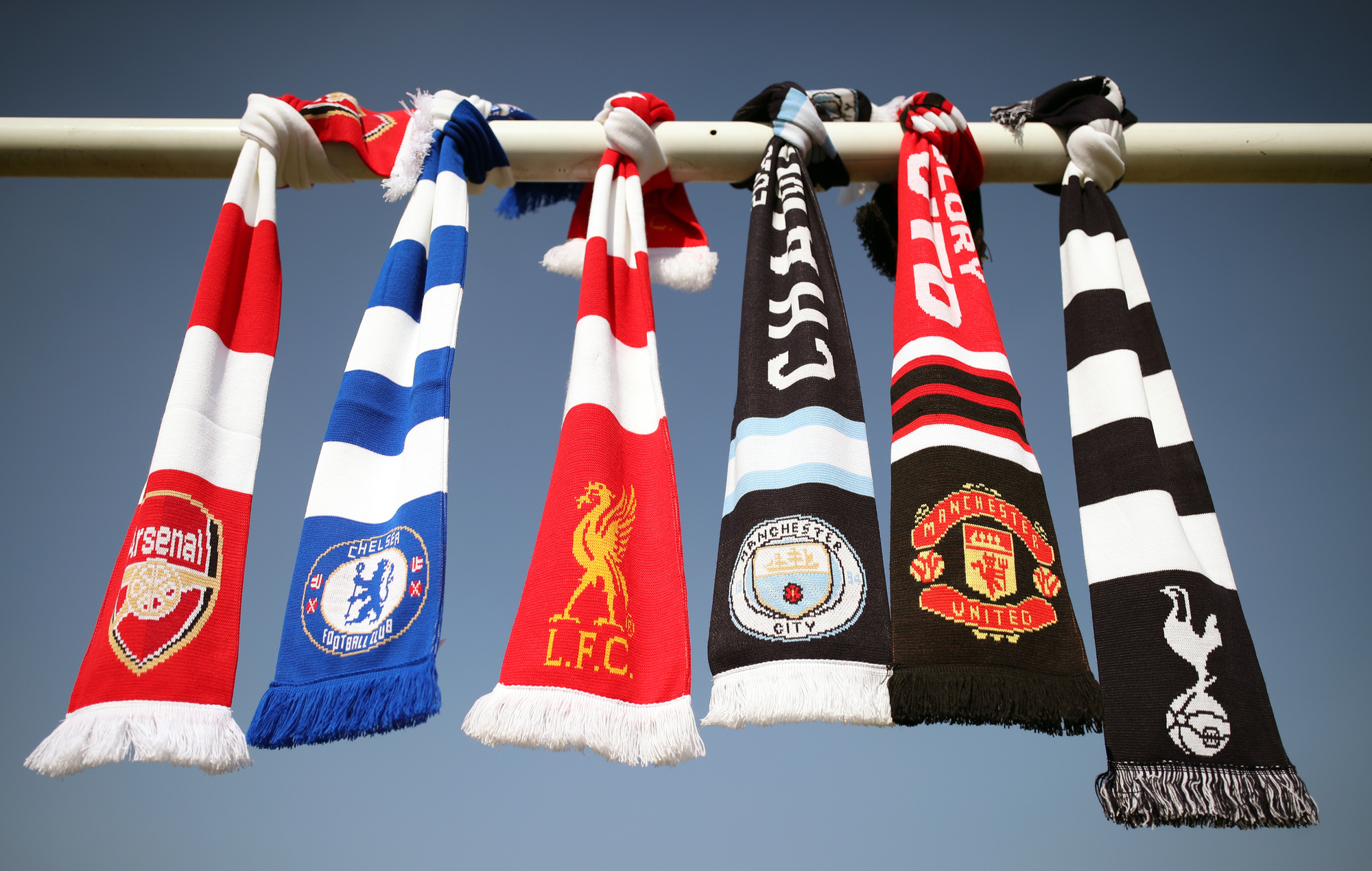
European Court of Justice decision held both the organisation of interclub football competitions and the exploitation of media rights are economic activities that must comply with EU rules on competition law and the freedom of movement
Ronan Dunne: EU competition law bears down on Uefa and Fifa

The prospects of a future European Super League have been boosted after judges said Uefa rules blocking the formation of such a competition were contrary to EU law.

When first announced back in 2021, the short-lived European Super League project made quite the stir.

Designed to create a lucrative new competition to rival Uefa’s Champions League, it was intended to involve 12 of Europe’s biggest clubs, six of which would be from England’s Premier League.

Fifa and Uefa quickly warned any player or club taking part in the new contest would be expelled from their competitions and national leagues, while a vociferous backlash by fans halted the plans, at least for the English clubs.

The then British prime minister Boris Johnson — no stranger to a bandwagon —lambasted the idea as a “cartel” and threatened to “drop a legislative bomb to stop it”.

But might this month’s European Court of Justice decision bring the big clubs back to the table?

It arose because three of the Super League’s original backers — Real Madrid, Barcelona, and Italy’s Juventus — began legal action against Fifa and Uefa insisting their rules were anti-competitive and that, in effect, they operated a monopoly. 

The challenge was brought in the Madrid courts, which referred the matter to the European Courts in Luxembourg.

CAPTION: Ronan Dunne, partner and head of competition, regulated markets and EU Law at Philip Lee.

The European Court of Justice held that Fifa and Uefa rules that made any new interclub football project — such as the Super League — subject to the approval of the organisations and that prohibited clubs and players from playing in such competitions, was unlawful.

It said there was “no framework for the Fifa and Uefa rules ensuring that they are transparent, objective, non-discriminatory, and proportionate”.

In addition, the court held that rules giving Fifa and Uefa exclusive control over the exploitation of media rights relating to such competitions may also restrict competition law, given that they are harmful to European football clubs and to companies operating in media markets, as well as consumers and television viewers.

The decision by 15 judges of the European Court of Justice’s Grand Chamber cannot be further appealed. 

It was a significant defeat for Fifa and Uefa. 

The court held that both Fifa and Uefa were abusing their dominant position as sporting administrators. 

New breakaway competitions may “potentially enter… the market”, and Fifa and Uefa must put in place better processes and rules to consider such competitions in a transparent, objective, and proportionate manner. 

A crucial feature of the court’s judgment is that it held both the organisation of interclub football competitions and the exploitation of media rights are economic activities that must comply with EU rules on competition law and the freedom of movement.

Fifa and Uefa cannot act in a bubble. The actions taken by the organisations must be fair and transparent — something that some would argue is anathema to them, at least in so far as transparency is concerned.

While the judgment was celebrated in Madrid, Barcelona, and Turin, it does not mean that a European Super League is a natural corollary. 

Fan groups seem set to continue their opposition and the court’s decision does not suggest the Super League must be allowed to proceed. 

Rather, better and legally compliant processes to consider new competitions must be implemented.

However, the balance has shifted with this decision and the big clubs know it. 

Private equity firms and investment banks will undoubtedly be ready to make a move. In a global age, the paramount importance of competition, and its maintenance through our system of competition laws at both the EU and domestic levels, has once again come to the fore.

  • Ronan Dunne is partner and head of EU and competition law at Philip Lee

More in this section

The Business Hub

Newsletter

News and analysis on business, money and jobs from Munster and beyond by our expert team of business writers.

Cookie Policy Privacy Policy Brand Safety FAQ Help Contact Us Terms and Conditions

© Examiner Echo Group Limited