Mortgage arrears fall despite interest rate hikes
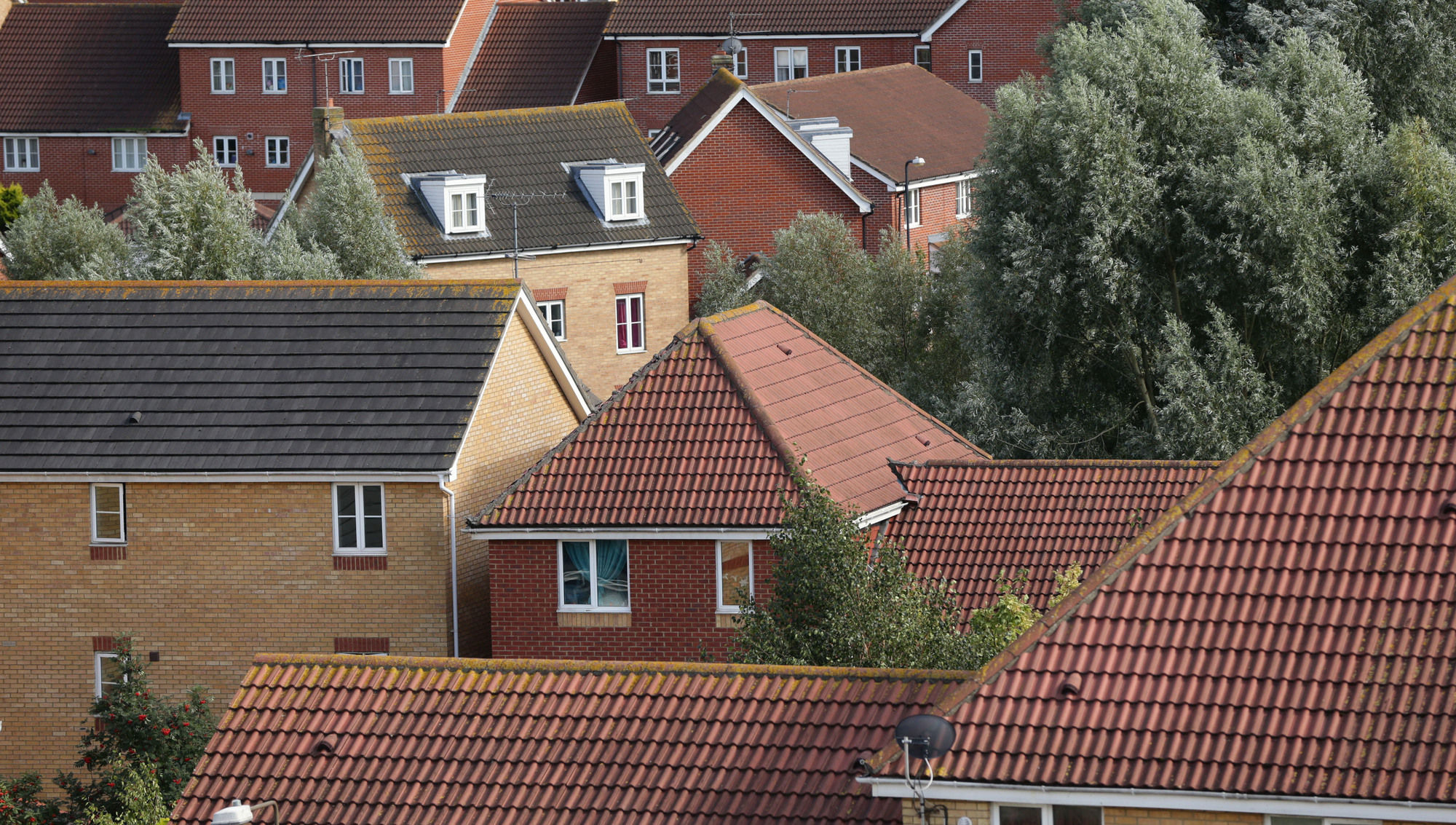
Latest hike by the ECB has driven the regulator’s main lending rate to 4.5%
The report showed vulture funds, also called non-bank entities, account for 16% of all residential mortgages on the Irish market and these entities account for 75% of mortgages in long-term arrears. Picture: Yui Mok/PA Wire

The report showed vulture funds, also called non-bank entities, account for 16% of all residential mortgages on the Irish market and these entities account for 75% of mortgages in long-term arrears. Picture: Yui Mok/PA Wire

The number of homeowners falling behind on their mortgage repayments has declined despite rising interest rates, according to statistics from the Central Bank.

At the end of June, there were over 712,000 private residential mortgage accounts for principal dwellings held in the Republic, with a value of just under €100bn.

Of the total stock, nearly 47,000 accounts were in arrears, a decrease of almost 2,000 accounts in the three months to June.

In the year to the end of June, the number of residential mortgage accounts in long term arrears, for a year or more, decreased by 3,653 to 21,400.

The Central Bank also said there was a decrease in early-stage arrears. 

In addition, the report showed vulture funds, also called non-bank entities, account for 16% of all residential mortgages on the Irish market and these entities account for 75% of mortgages in long-term arrears.

The latest Residential Mortgage Arrears and Repossessions Statistics report signalled there will unlikely be one-off support measures for all mortgage holders in the upcoming budget. 

Earlier this year, Minister for Finance Michael McGrath said he was reluctant to have a mortgage interest relief in the budget and said such a measure could cost around €655m a year.

However, a more targeted measure is possibly being considered by the Government, especially after the European Central Bank (ECB) hiked interest rates by another 0.25% this week, marking its 10th consecutive increase since it began its aggressive campaign in 2022 to drive down inflation.

"Anything that would be broad-based would be prohibitively expensive so I think if we are going to do something to help people on mortgage interest, it really should focus on those who are paying the highest rates and those who might be at risk of losing their homes," Taoiseach Leo Varadkar told reporters this week.

The latest hike by the ECB has driven the regulator’s main lending rate to 4.5% hitting tracker mortgage customers immediately, while those coming off fixed rate agreements at the end of this year are set to face huge payment increases.

“I think we are going to see an increase in those who are finding it difficult to meet these increased payments,” said Michael Dowling, head of brokerage firm Dowling Financial.

The 170,000 tracker mortgage customers in Ireland will see an increase in repayments next month.

Managing director and broker with MortgageLine Stephen Hamilton said tracker mortgage repayments have now increased by €620 per month or €7,440 per year on a mortgage of €300,000 over 20 years since the ECB began hiking rates in July 2022.

Meanwhile, there are around 70,000 fixed-rate customers will be hit with higher rates at the end of this year.

“These customers were typically on rates of between 2% and 2.5% but they are now going to be facing rates of 4.5% when they renegotiate their mortgages," said Mr Dowling.

x

More in this section

The Business Hub

Newsletter

News and analysis on business, money and jobs from Munster and beyond by our expert team of business writers.

Cookie Policy Privacy Policy Brand Safety FAQ Help Contact Us Terms and Conditions

© Examiner Echo Group Limited