‘A Huge disruption’: Startups worldwide face new funding uncertainty after SVB failure
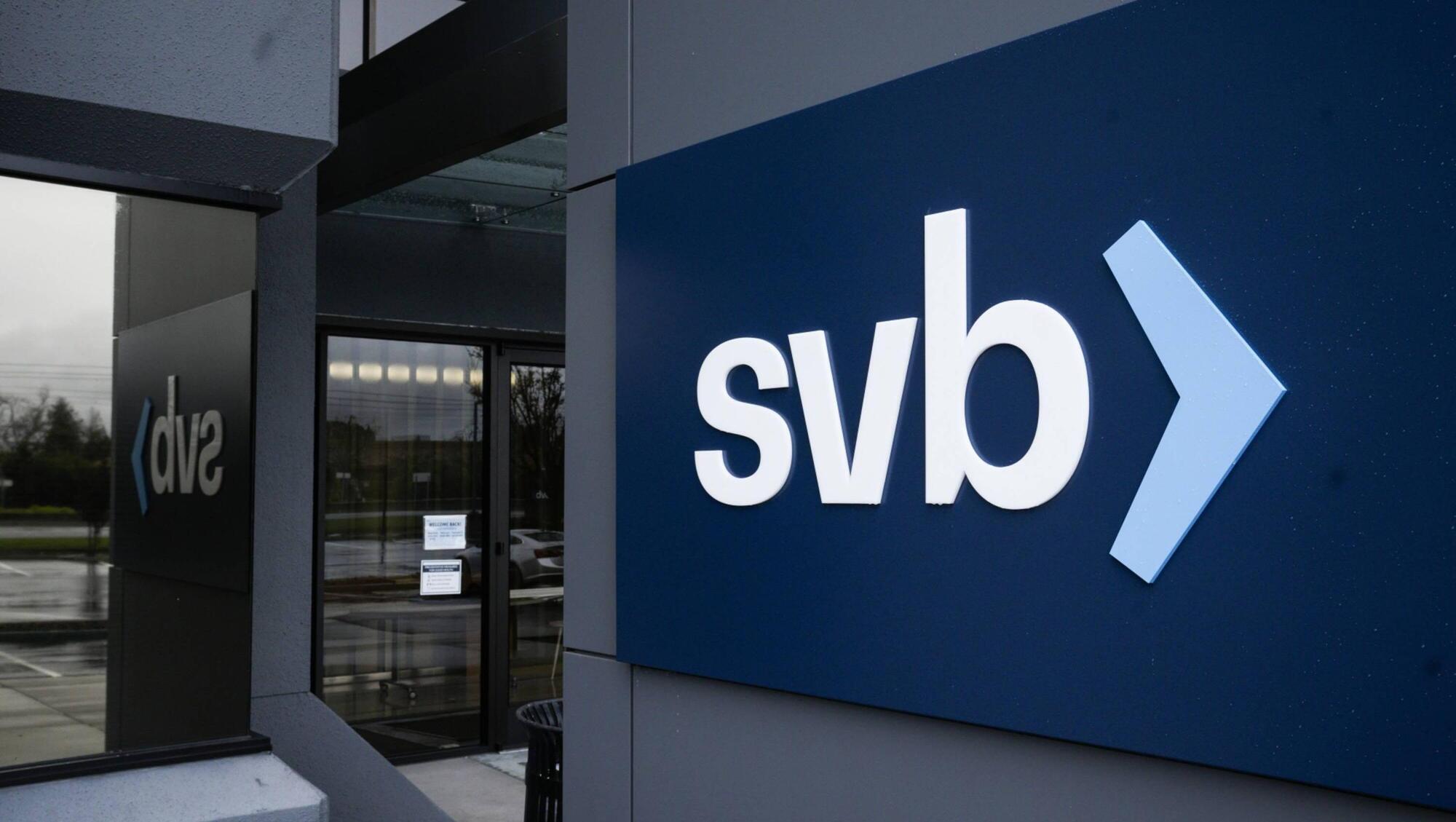
Silicon Valley Bank headquarters in Santa Clara, California. Many investors and tech firms believe that the future will be significantly more difficult, even if the bank continues to solicit deposits under its new name.
Quang Hoang, the co-founder of a startup called Birdly, spent his Monday refreshing the website of Silicon Valley Bank every hour. His San Francisco-based mentoring startup had about $10m deposited with the now-failed bank, patronised by a large portion of the country’s most promising tech companies.
But as afternoon turned to evening, he still hadn’t been able to recover his cash.
Mr Hoang was one of thousands of founders globally trying to track down their money this week after days of chaos, and who are completely rethinking the way they bank.
Startups from Silicon Valley to London, and Tel Aviv and tech hubs across Africa depended on SVB as a one-stop shop for everything from holding their fortunes to personal mortgages.
Many investors and tech firms believe that the future will be significantly more difficult, even if the bank continues to solicit deposits under its new name.
Deals ranging from venture debt financing to funding rounds are likely to be impacted by recent days’ upheaval.
As startups grapple with the logistics of moving money around and opening accounts at new banks, general partner at Race Capital Edith Yeung believes that transactions will likely be delayed or even scrapped amid the bedlam.
“I’m sure there were deals made last week that are now not going to happen,” Ms Yeung said. “This is a huge disruption to the venture space.”
Many in the tech industry this week are mourning the undoing of SVB, and lamenting the future difficulty of working with banks unfamiliar with the unique needs of young tech companies.
Sequoia Capital’s Mike Moritz compared its failure to a “death in the family” in a column on Sunday. Yeung said VCs are going to have to ask more questions of their banks and may have to try more traditional options.
David Pakman, managing partner at crypto VC firm CoinFund, said that tech firms and venture capitalists are still reeling from this weekend’s events, despite the US government backstop.
In Israel, where SVB had an outsized presence in the country’s booming tech sector, companies are bracing for delays while setting up accounts at other lenders, according to Avi Eyal, a managing partner at Entree Capital.
“It may be a long time before things get back to normal, and international companies are going to be at the end of the line,” he said.
SVB’s UK clients face less disruption after HSBC Holdings Plc scooped up its local unit for a symbolic price of £1, but they will have to get used to a culture shift. HSBC is the country’s largest bank and has a conservative reputation, while SVB catered to freewheeling young companies in tech, life sciences, and crypto.
For US venture firms, the path forward may be simpler. “VCs don’t have trouble getting bank accounts,” Pakman said.
Many startups plan to move their money to a large institution, where they’re guaranteed it will be safe, even if they don’t get hyper-personalised service or particularly high interest rates.