John Fahey: It dominated 2022 but the US dollar is waning
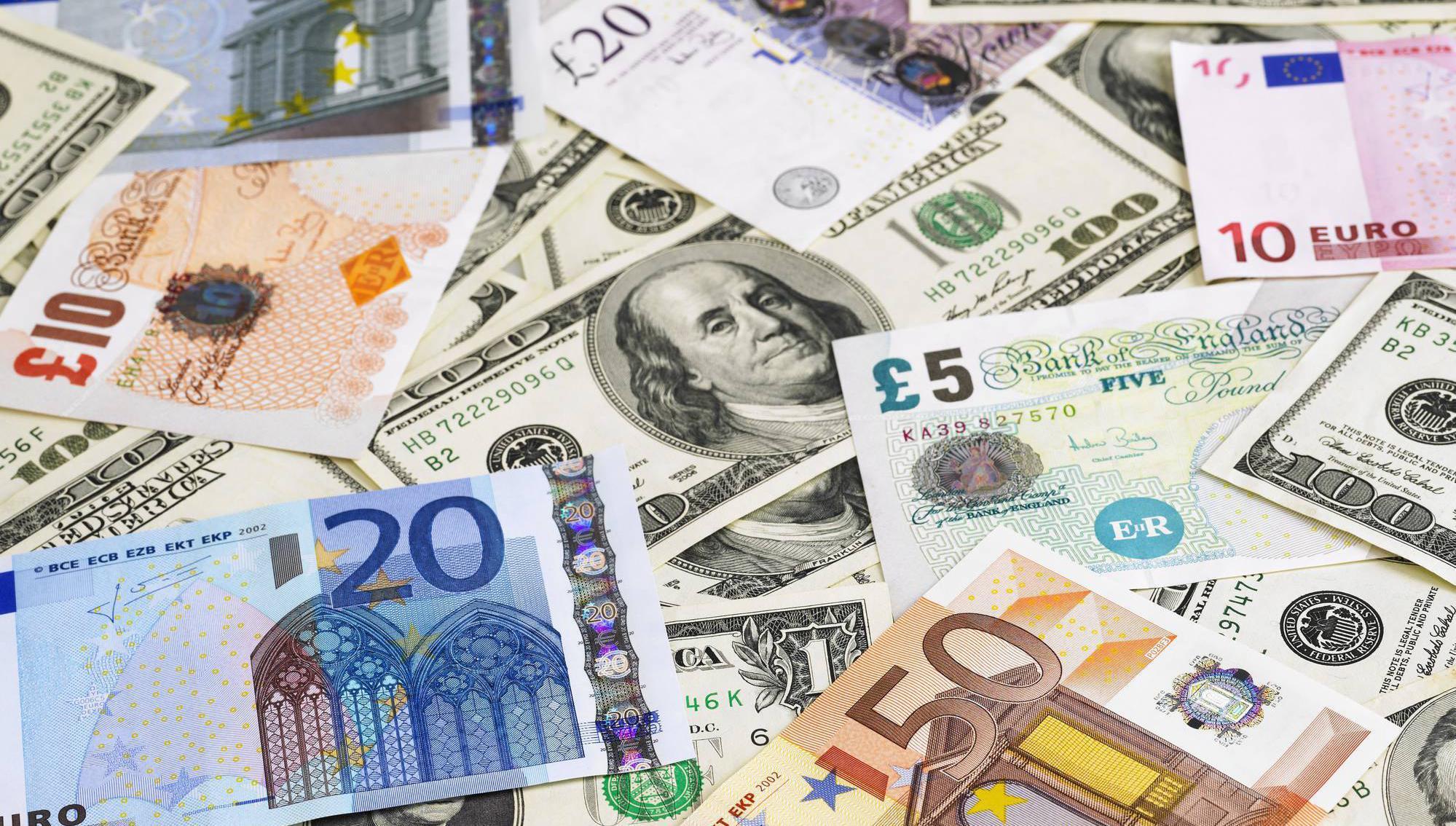
Interest rates have been a key driver of currencies in the past number of years.

Having been very much to the fore for the first three quarters of last year, the dollar lost some ground in the final months of 2022.
A perfect storm of rising US interest rates and bond yields, and a surge in commodity prices drove the greenback higher, until the end of September. However, the currency gave up some of these gains as other central banks stepped up the pace of tightening in the last quarter of 2022, with 75bps rate hikes becoming the norm.
This reversal of fortunes was initially reflected in EUR/USD moving back towards parity, having fallen to a low of $0.95 in late September. The pair then rose up into the $1.05-$1.06 band over the final two months of 2022.
The US has also been one of the first economies to exhibit an easing of inflationary pressures. The latest US CPI data, released last week, showed both the headline and core rate continuing to ease back, falling to 6.5% and 5.7% respectively, in December. This has tempered market expectations around the extent of further rate hikes expected from the Fed.
This has seen the dollar continuing to soften on the exchanges, in the early stages of this year. This is evident in the EUR/USD pair maintaining its upward trajectory, trading up to the $1.08 threshold in the past week.
Meanwhile, GBP/USD has rebounded from a low of $1.04, moving above $1.20. The dollar has also fallen back sharply against the yen, with the USD/JPY pair going from a high, above ¥150, to down below ¥129, in part due to speculation that the Bank of Japan may be contemplating moving away from its ultra-loose monetary policy settings.
The coming year seems likely to be characterised by further rate hikes in most economies, in the opening half of 2023, with monetary policy being put on hold thereafter. Key central banks have been indicating that a restrictive rate stance will be required for a period of time to squeeze inflationary pressures out of the system. US rates seem set to rise to around 5% and remain there into 2024, which would be well above rate levels in most other countries. Currency-wise, this should be supportive of the dollar.
From a euro viewpoint, the ECB has turned quite hawkish and moved to an aggressive rate-tightening path. The ECB’s ongoing rate hiking cycle should continue to provide a positive dynamic for the currency in the short term. Thus, the single currency may experience some further upside versus the greenback in the months ahead.
Interest rates have been a key driver of currencies in the past number of years. Thus, if US rate cuts look like coming onto the agenda in 2024, then the dollar could start to lose some ground later on this year. It is important to remember the currency is still at a very elevated level and therefore has the potential to fall back if US rates start to move down.


CONNECT WITH US TODAY



Be the first to know the latest news and updates