ECB interest rates predicted to reach peak before next summer
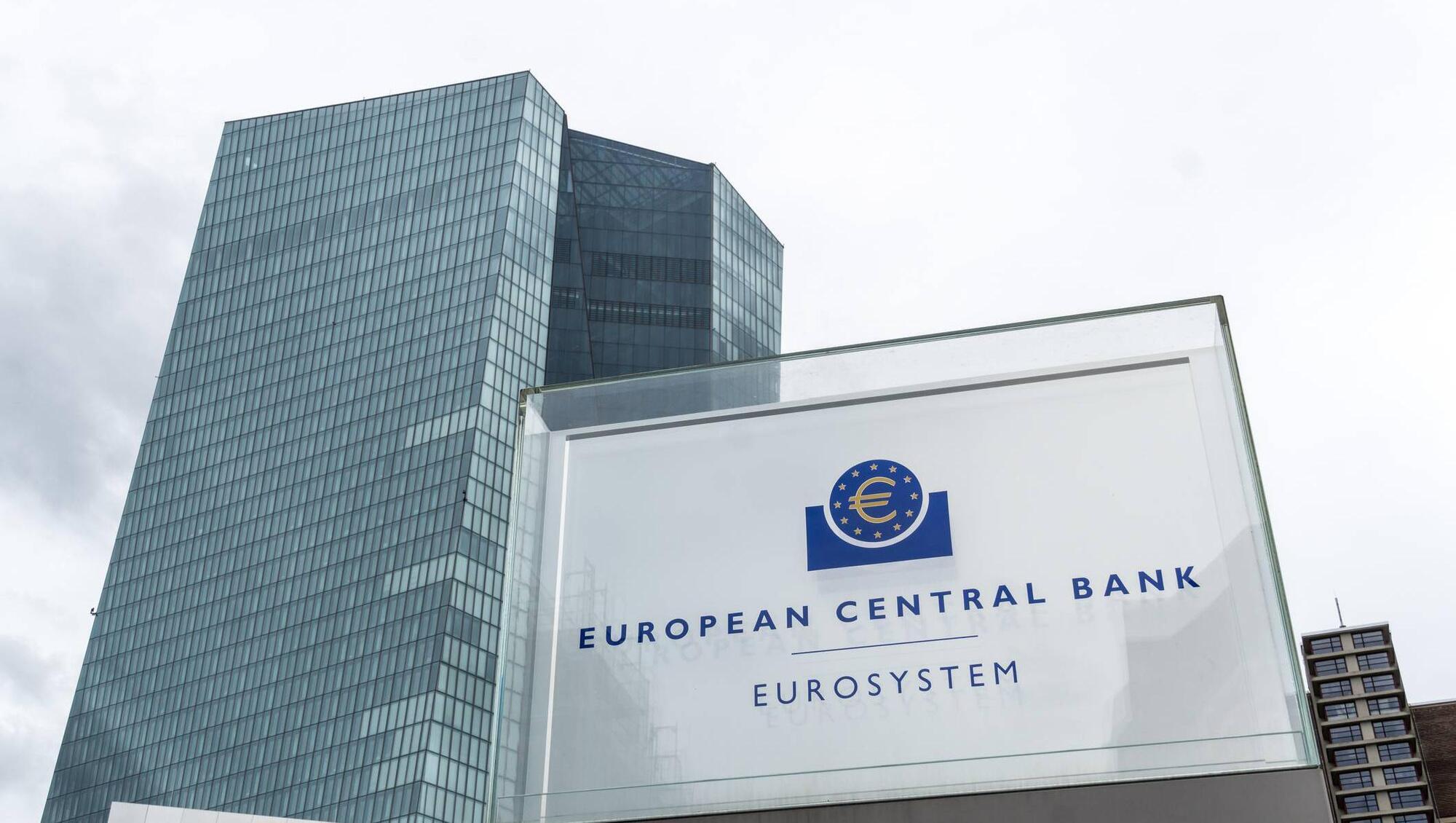
Analysts said investors remained somewhat nervous ahead of this week's ECB policy meeting.
The European Central Bank will have likely stopped hiking interest rates before next summer, but some Irish households will still see their mortgage rates rising to as much as 5%.
Hopes had spread on Monday that the global central banks would start considering slowing interest rate rises after reported on Friday that the US Federal Reserve was debating its pace of interest rate hikes.
The report in turn led to sharp falls in the cost of borrowing for European governments on Monday, with the yield on the Irish 10-year bond falling to 2.79%.
However, financial markets continue to bet the ECB will "almost certainly" hike interest rates again when it meets on Thursday by a further three quarters of a point, said Ryan McGrath, head of fixed income strategy and sales at Cantor Fitzgerald Ireland. Markets see ECB rates reaching a peak of 3% at some stage in the second quarter of next year.
Market expectations for ECB rate increases through to next summer imply that many Irish mortgage holders will face significant increases in their mortgage interest payments.
For the up to 300,000 tracker mortgage accounts, ECB interest rates peaking at 3%, the average tracker mortgage rate could rise to 3.75% and as much as 4%, after taking into account the margin charged by the bank, said Michael Dowling, a senior mortgage broker.
Mr Dowling said that balances outstanding for the 175,000 households on variable rate mortgages are at relatively low levels because few variable rate mortgages have been sold in recent times.
Although banks can absorb some of the ECB increases for 250,000 people on fixed-rate mortgages, "there is no question that fixed rates will be rising", said Mr Dowling.
Fixed-rate borrowers coming off very low fixed rates will face significant increases, he said.
Eurozone borrowing costs fell sharply on Monday as investors considered the possibility that central banks might slow the pace of monetary policy tightening next year.
Germany's 10-year government bond yield dropped 10 basis points to 2.33%. It hit its highest since August 2011 on Friday at over 2.53% before the report on the Federal Reserve.
"We have this relief now after the story from Friday, and it's spilling over into Europe as well," said Michael Leister, head of interest-rate strategy at Commerzbank.
Despite the rise in eurozone bond prices, analysts said investors remained somewhat nervous ahead of this week's ECB policy meeting. The central bank is widely expected to deliver a second straight 75-basis-point rate hike.
Eurozone yields have risen sharply this year as the ECB has hiked rates and governments have planned to borrow to fund energy support packages.
However, some analysts have said the economic downturn could limit the ECB's room to raise borrowing costs.
CONNECT WITH US TODAY



Be the first to know the latest news and updates