British grocery price inflation races to 12.4% with potential knock-on effect for Ireland
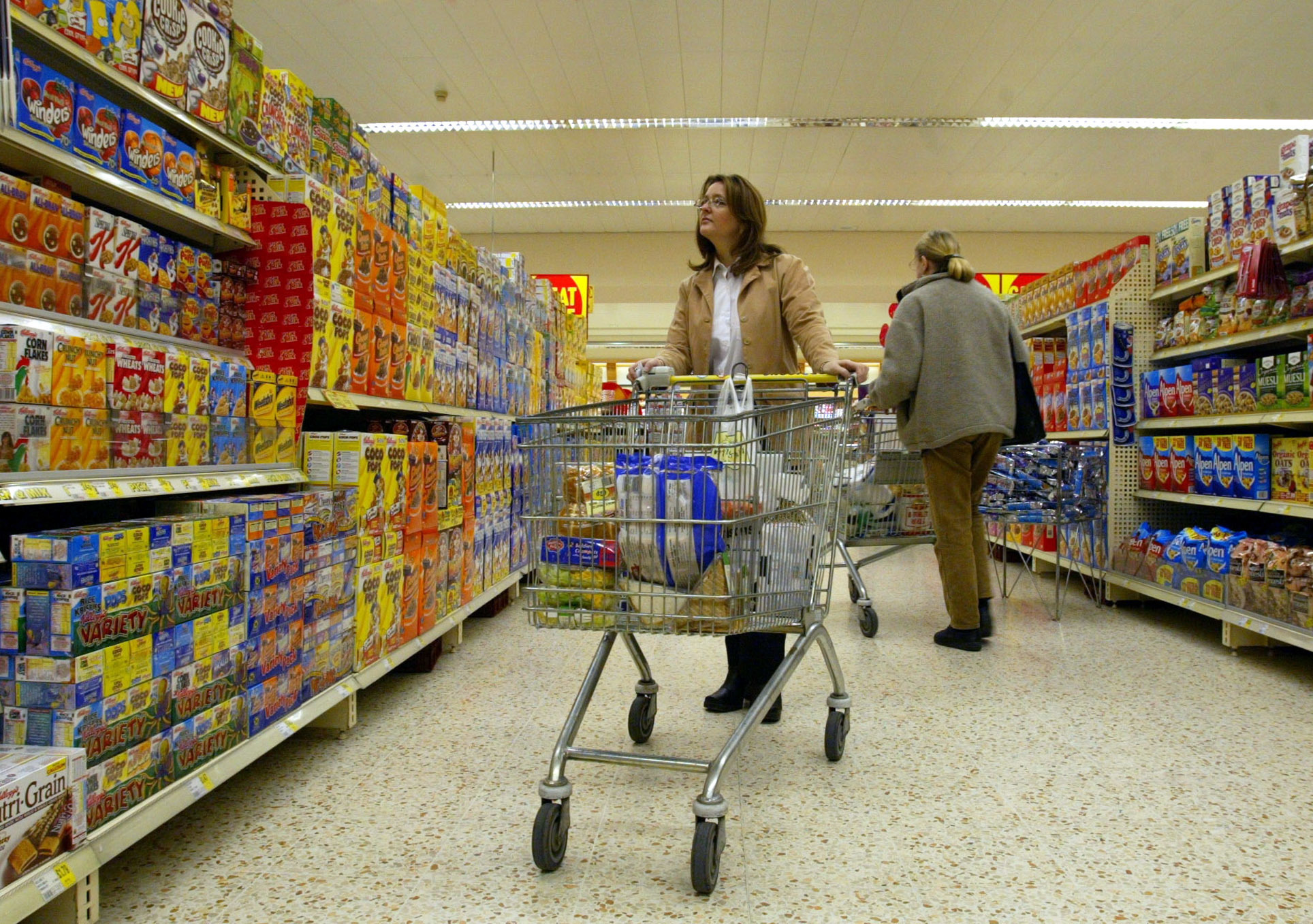
It means a British household will pay an extra £574 (€662) a year for their groceries
British grocery price inflation races to 12.4% with potential knock-on effect for Ireland

Ireland is particularly exposed to hikes in British food and grocery items, because supermarkets this side of the Irish Sea import huge amounts of grocery items from British suppliers and manufacturers such as Unilever.

The threat of higher grocery prices in Ireland remains after British supermarket price inflation reached a new peak of 12.4% in the last few weeks.

Leading market research firm Kantar said that grocery price inflation in Britain hit its highest level in August and means a household there will pay an extra £574 (€662) a year for their groceries. 

"It seems there’s no end in sight to grocery inflation as the rate at which [British] food and drink prices are increasing continues to accelerate," said Fraser McKevitt, head of retail at the market research firm. 

Ireland is particularly exposed to hikes in British food and grocery items, because supermarkets this side of the Irish Sea import huge amounts of grocery items from British suppliers and manufacturers such as Unilever. 

Prices here can also be tempered, however, by how well the euro is trading against sterling, because a strong euro can offset some, but not all, the hikes in grocery imports from Britain. The euro was trading at 86.8 pence against sterling on Tuesday, up from 85.5 pence a month ago. 

"Now standing at 12.4% for August, the latest [British] figure means that the average annual grocery bill will go from £4,610 to £5,181 if consumers don’t make changes to what they buy and how they shop to cut costs. That’s an extra £571 a year," Mr McKevitt said. 

"Categories like milk, butter and dog food are jumping up especially quickly at 31%, 25% and 29% respectively," he said. 

Kantar's latest survey for supermarkets in Ireland will be published next week. Its survey in July showed Irish grocery price inflation was then running at 7.7%. 

Figures from the Central Statistics Office last week showed the annual rate of Irish inflation had slowed to 8.7% in August from 9.1% in July. However, the category of food and non-alcoholic beverages was a leading contributor to inflation, after the costs of electricity, gas and other fuels, the CSO said. 

In the British survey, Kantar said Aldi’s market share rose by 1.2 percentage points, making it Britain’s fourth largest supermarket for the first time. 

"Shoppers are taking steps to manage their budgets including broadening the range of stores they visit, with the discount grocers benefiting," Kantar said of British shoppers.

x

More in this section

The Business Hub

Newsletter

News and analysis on business, money and jobs from Munster and beyond by our expert team of business writers.

Cookie Policy Privacy Policy Brand Safety FAQ Help Contact Us Terms and Conditions

© Examiner Echo Group Limited