ECB hike to hit 300,000 Irish mortgages as experts warn more rises are expected

Mortgage holders may get some respite, as two banks say they won't pass on the first rate rise — but further ECB hikes are expected later this year. Stock picture: Dann Tardif/Corbis
Around 300,000 households on tracker mortgages are likely to face cost increases of over €3,000 this year after the European Central Bank on Thursday started to raise its official rates for the first time in over a decade.
ECB president Christine Lagarde told reporters a hefty half-point hike was justified as the shockwaves of energy and food inflation since the Russian invasion of Ukraine sent price pressures “spreading across more and more sectors”.
Irish experts are now predicting that the ECB will hike official rates by a further 1.25% before the end of the year. That means there will be no escape for most households from rate hikes coming down the line before Christmas.
There are a total of 730,000 mortgaged households in Ireland but there was no escape from yesterday’s half-point rise for the 300,000 households on trackers because these rates are directly tied to any ECB rate moves.
Mortgage and debt adviser Michael Dowling said there was no need for borrowers on fixed-rate mortgages to be concerned at this stage.
However, he warned yesterday’s hike by itself would immediately add almost €1,000 to the cost of a tracker home loan and amount to over €3,000 in total costs for a €300,000 mortgage should the ECB hike by a further 1.25% later this year.
"Yesterday’s move was only the start of the rate-hiking cycle and many more mortgage borrowers face increased costs between now and Christmas," Mr Dowling said.
There was respite for some of the 175,000 mortgage holders on variable rates after Bank of Ireland and Permanent TSB said they would defer passing on yesterday’s half-point increase to variable rate borrowers.
AIB said it was keeping its rates “under review”.
Mortgage brokers say Bank of Ireland, with the most expensive variable rate on the market, had the headroom to absorb the ECB hike at this stage, while Permanent TSB also has among the highest variable rates.
The 300,000 households on tracker mortgages automatically have their rates hiked in tandem with ECB rate increases, while people on fixed-rate mortgages that expire later this year will almost certainly face higher costs too, experts say.
Businesses and households face higher borrowing costs for the first time in over a decade.
ISME chief executive Neil McDonnell said he hopes the banks do not pass on the ECB hike. “But the message for our members is that there is more to come because the interest rate cycle is not over,” Mr McDonnell said.
Businesses face the threat of even higher Irish energy prices should Russia turn off or shut down the gas supplies to continental Europe this winter, he said.
Bank of Ireland euro money markets head Stephen Fagan said the ECB is expected to raise rates by a further 125 basis points, or 1.25%, by the end of the year “but this could change depending on whether Russia shuts down gas pipelines in the weeks ahead”.
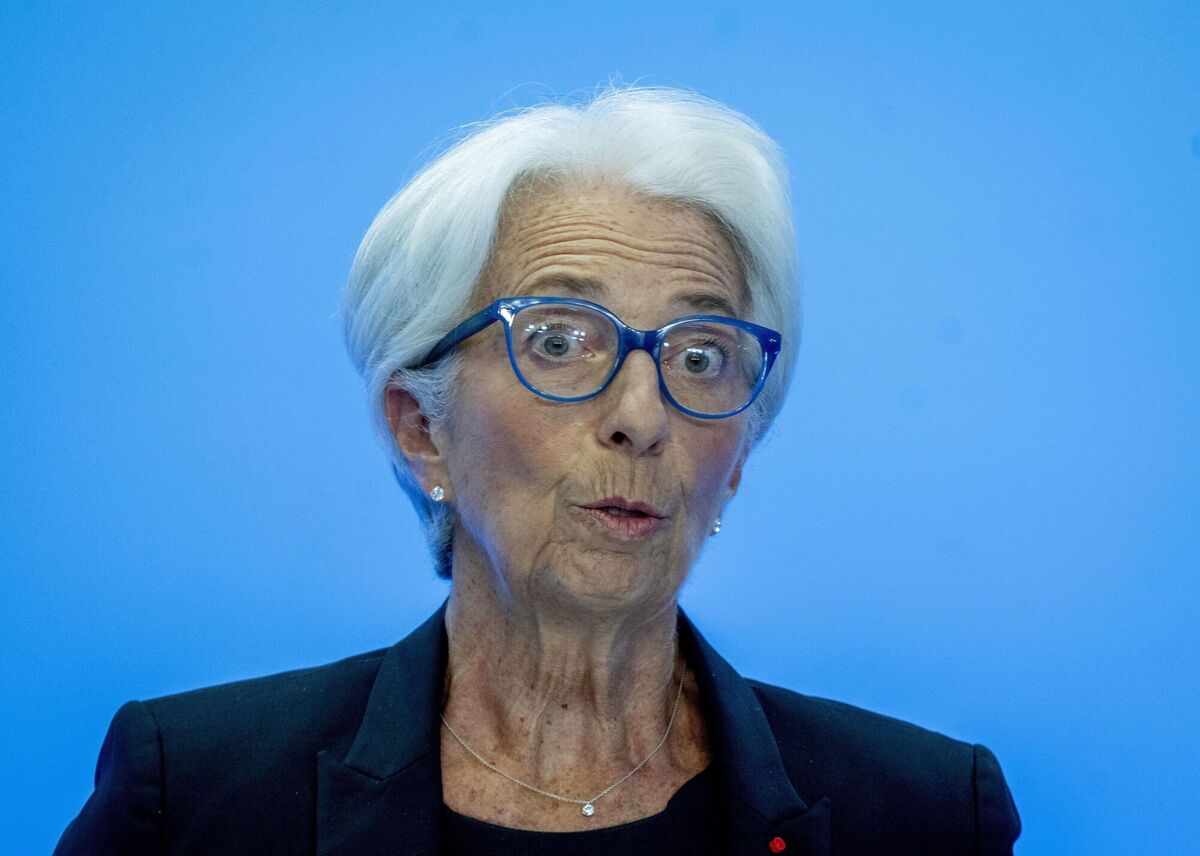
ECB president Christine Lagarde indicated it was necessary to deliver a larger than expected hike than previously signalled because inflation pressures had intensified across the eurozone.
“We expect inflation to remain undesirably high for some time”, she said, citing food prices and the depreciation of the euro against the dollar among other items contributing to inflation pressures.
The euro has fallen about 10% against the dollar this year, intensifying price pressures in Europe because global crude oil is traded in dollars and not in euro.
Ms Lagarde described the eurozone economy as facing a drag on growth from the Ukraine war and increased uncertainty. On the other hand, she pointed to the easing of supply bottlenecks, the recovery of tourism, savings built up during the pandemic, and a growing level of employment, as helping to support the economy.


CONNECT WITH US TODAY



Be the first to know the latest news and updates