Sterling gains but focus remains on Britain's slowing economy
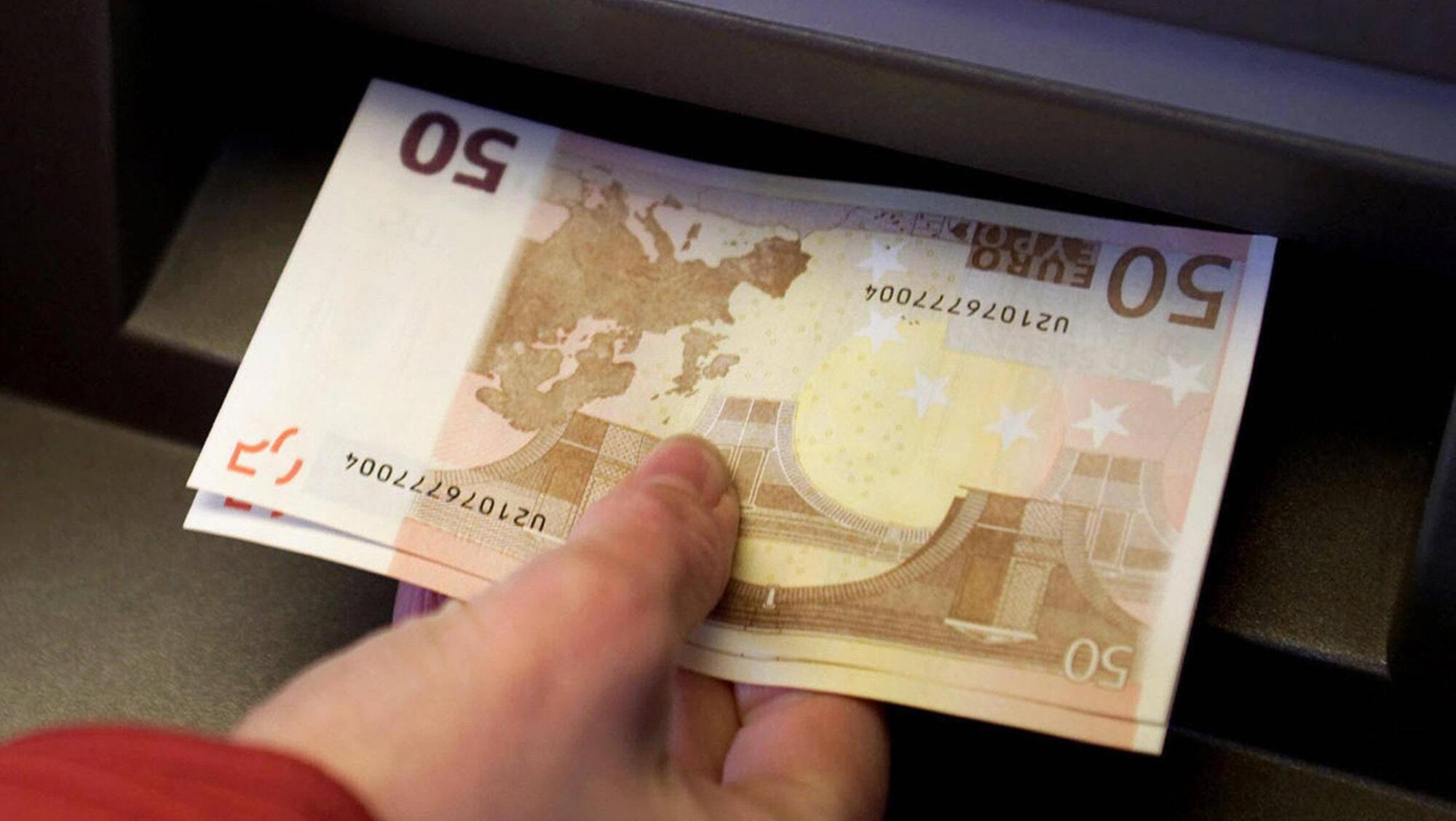
The war in Ukraine and its economic fallout, in particular soaring food and energy inflation, has been a major drag on the euro, which has weakened 8% against the dollar this year.
Sterling rose against the dollar and euro, as traders focused on any signals that the Bank of England could raise interest rates faster than expected.
The British currency last week concluded its steepest six-month drop since the Brexit referendum in 2016, down more than 10% against the dollar this year.
The focus remains on Britain's slowing economy, with the Bank of England tasked with tackling soaring inflation while avoiding a recession.
The Bank of England has raised rates five times since December and its next scheduled rate announcement is in early August. Some market players expect a bigger increase of 50 basis points, or half a point, at the next meeting.
The pound rose by 0.3% against the dollar to $1.213. It was also stronger against the euro, rising 0.17% to 86 pence.
As risk sentiment picked up in global foreign exchange markets, the pound also rallied against so-called safe-haven currencies, the Swiss franc and Japanese yen.
"Any indication that policymakers are erring towards raising rates by 50 basis points at the next MPC meeting in August would be positive for the pound and may trigger a recovery rally from currently suppressed levels," Matthew Ryan, head of market strategy at global financial services company Ebury, said.
Brexit-related risks in relation to a possible partial suspension of the Northern Ireland Protocol are also a focus for traders.
Foreign Affairs Minister Simon Coveney and his German counterpart Annalena Baerbock have warned Britain there was no legal or political justification for British prime minister Boris Johnson's plan to override parts of the Brexit deal governing trade with the North, which remains in both the EU single market and the UK trade area.
"Markets will probably wait for what the reaction from the EU will be, but it's more a story of global risk sentiment," said Francesco Pesole, FX strategist at ING.
The euro rose 0.2% to $1.0440 against the dollar, but stayed barely above May's five-year trough of $1.034.
But amid fears of a global recession, the euro remained near a five-year low against the dollar.
The war in Ukraine and its economic fallout, in particular soaring food and energy inflation, has been a major drag on the euro, which has weakened 8% against the dollar this year.
The difference between the European Central Bank and the US Federal Reserve response to higher inflation has also weighed on the euro. Data last week showed eurozone inflation surging to another record, adding to the case for the ECB to raise interest rates this month for the first time in a decade.
Jeremy Stretch at CIBC said he expected headwinds on the euro to persist as the ECB is set to hike rates on July 21 by "a mere 25 basis point".
"ECB action remains moderate when compared with a 75bps Fed hike," he said.
"Beyond ECB monetary policy discussion, the primary European Union risk variable relates to the energy sector," he said.
"Quiet trading to start the week is seeing the US dollar weaken against most major currencies as it unwinds Friday’s gains," said Shaun Osborne, chief foreign exchange strategist at Scotiabank.
• Reuters
CONNECT WITH US TODAY



Be the first to know the latest news and updates