Consumer spending boom from record savings is unlikely to materialise
At the end of February 2022, Irish household deposits had risen to more than €142bn or €28,000 per person.
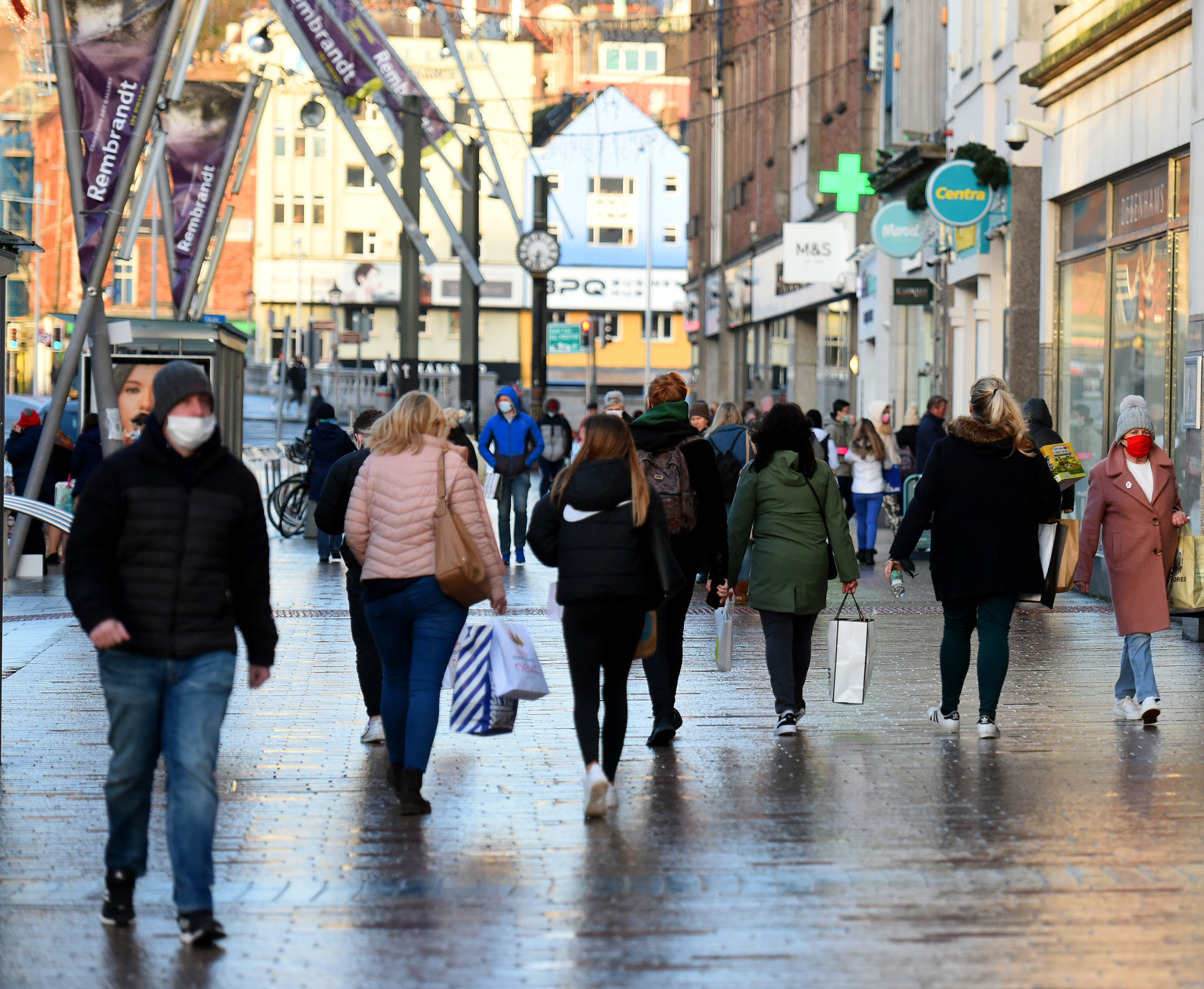
The consumption boom that Irish businesses were expecting due to the record levels of savings by Irish households is now unlikely to materialise to the extent it had been hoped for, Ireland's main business group, Ibec has said.
Faced with increasing energy bills, households will cut back on consumption elsewhere and certain sectors of the economy, particularly those reliant on discretionary spending will lose out.
In its latest quarterly economic outlook, Ibec said the Russian invasion of Ukraine meant it was forecasting economic growth of approximately 4.3% for Ireland this year, a decrease from the 6.1% that was predicted in their previous report.
Ibec Chief Economist Gerard Brady said the global environment will drag on growth this year and next, with rising energy costs, record commodity and transport costs and global supply chain challenges resulting in a slowing of business investment and lower than previously expected consumer spending.
At its peak during the first half of 2021, Irish household savings were rising by over 17% annually as Covid restrictions reduced opportunities for consumer spending. The re-opening of the economy earlier this year has seen a slowdown in the rate of deposit growth to 9% but Ibec said businesses have yet to see a significant drawdown on existing savings. At the end of February 2022, Irish household deposits had risen to more than €142bn or €28,000 per person.
Ibec said total spending on electricity, gas and other fuels accounts for 9.3% of household spending in Ireland. "As a result, for every 10% increase in energy costs the amount of consumer spending elsewhere in the economy might fall by 0.9%, holding savings and incomes steady," their report states. They forecast that consumer price inflation will run at around 6.1% for the full year and that households may become more cautious as they look at the post-pandemic realities.
"As a result, the savings driven consumption ‘boom’ which might have been expected, particularly in the Experience Economy, is unlikely to materialise to the same extent."
Brady said that even if inflation growth slows, the level of energy, transport and commodity prices will remain much higher for longer.
"The net impact of this in economic terms is both a relative price shock for consumers – reducing spending elsewhere – and the postponement and re-evaluation of investments in businesses and construction," he said.
“This coming year will be a tight balancing act for policymakers globally. Measures to support households and businesses must be tightly targeted if we are to avoid adding fuel to the inflationary fire," Brady said.
A survey from Bank of Ireland backs up the current caution amongst Irish consumers. The consumer pulse survey for April was at its second-lowest reading to date. Households lowered their assessment of the current economic situation and were also more downbeat about their own finances. Just 19% of those surveyed consider it a good time to make major purchases and more than half (57%) say that they are holding out on spending because they are not sure which way economic policy is going to go. This is up from 46% in January.
CONNECT WITH US TODAY



Be the first to know the latest news and updates