Aughinish Alumina and other Irish businesses fear financial sanctions against Russia
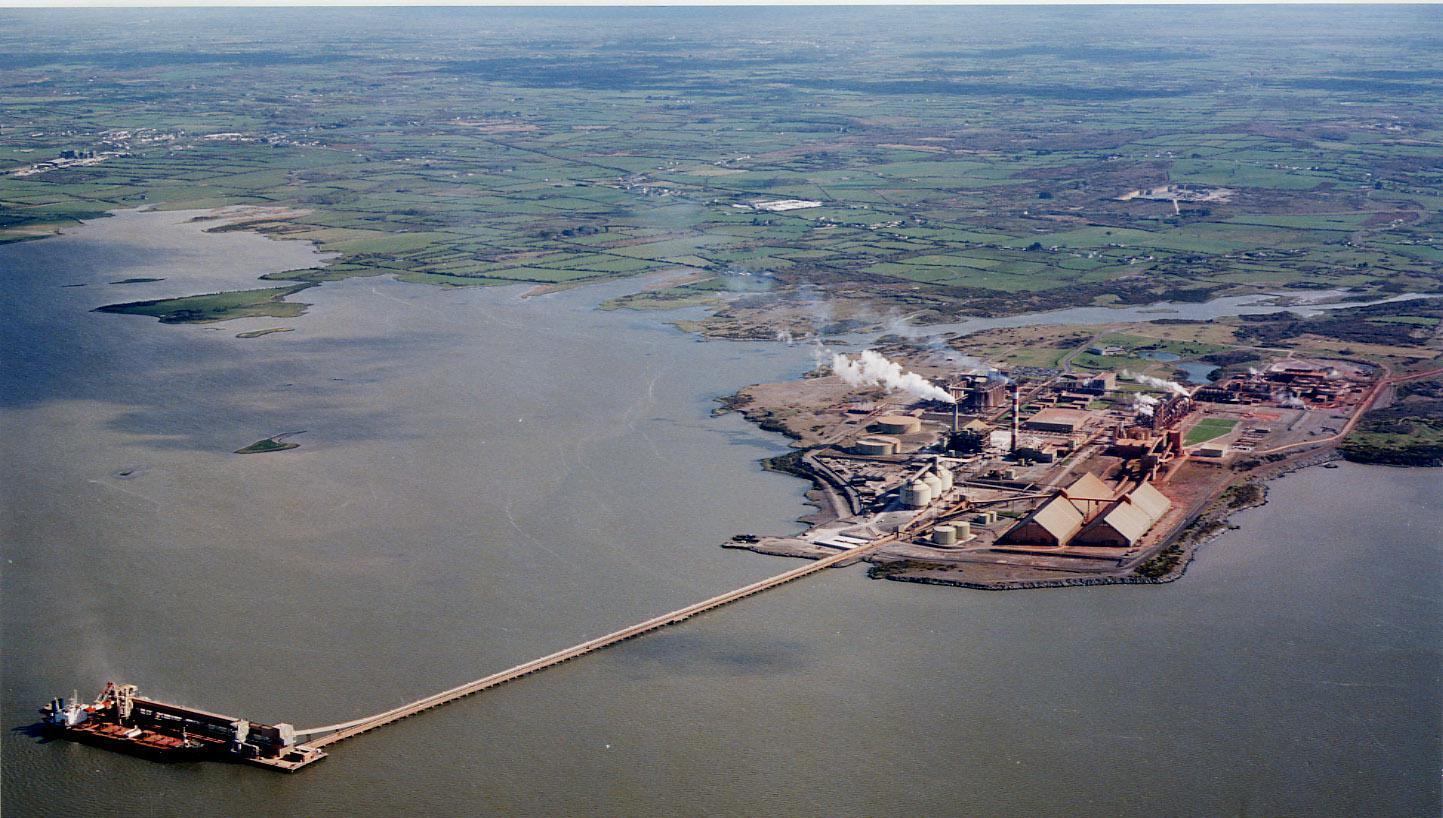
Rusal Aughinish, the Russian-controlled smelter in the Shannon Estuary, Europe’s largest bauxite facility, which supplies 45% of its aluminium metal to the European markets, could find itself in the eye of the sanctions storm.
Despite the stream of diplomatic visits to the Kremlin over the past few weeks, the conflict between Russia and Ukraine took a decidedly dangerous turn with the move by Russian president Vladimir Putin to deem that the Ukraine regions of Donetsk and Luhansk will be independent republics.
The EU and US are finalising their first round of economic sanctions and more wide-ranging sanctions will be held in reserve to be applied if Russia proceeds further with armed aggression against Ukraine.
Irish businesses fear financial sanctions against Russia that will disrupt their supply chains, at a time when international shipping was already constrained and when commodity prices and general inflation are getting out of control. The prices for several of the country’s most important exports are already much higher than they were before the pandemic.
Russia’s exports of fossil fuels, metals, wheat, and other key commodities are critical to many global and Irish supply chains. More than 700 bulk carrier ships are loaded at Russian and Ukrainian ports every month, and if the crisis disrupts shipments even for a month it will create major shortages on global markets.
Over the past few years, Russia and Ukraine have become major exporters of dry bulk commodities, with Russia mainly exporting coal, grain and steel, nickel, copper, aluminium products, as well as fertilisers.
Ukraine exports grain, iron ore and steel products. The ongoing tension between the two countries could turn into a full-scale war, hampering exports and forcing Irish businesses to seek supplies from more distant markets in Asia and the US.
If the US and Europe were forced to follow through on their sanctions threats, the economic pain will be shared widely by Irish industry and other countries beyond Russia’s borders.
Russia is likely to respond to expanded sanctions by limiting sales of oil and other energy products to Europe and other parts of the world. Russia supplies one-third of the EU’s gas requirements and a substantial part of the gas comes through the pipeline passing via Ukraine. In the case of a war, gas prices would rise further and push energy costs generally higher.
Meanwhile, Rusal Aughinish, the Russian-controlled smelter in the Shannon Estuary, Europe’s largest bauxite facility, which supplies 45 % of its aluminium metal to the European markets, could find itself in the eye of the sanctions storm. A global rush in demand for aluminium has already pushed prices up over the past 12 months.
But spare a thought for the beer drinkers. A combination of soaring prices for malting barley, as well as aluminium cans, has recently brought a stark warning from Heineken over higher costs that could push up drink prices to offset the rising price of raw materials and shipping rates.
- John Whelan is a leading expert on Irish trade
CONNECT WITH US TODAY



Be the first to know the latest news and updates