Taoiseach rejects Russian ambassador's denial after drones seen on Zelenskyy flight path
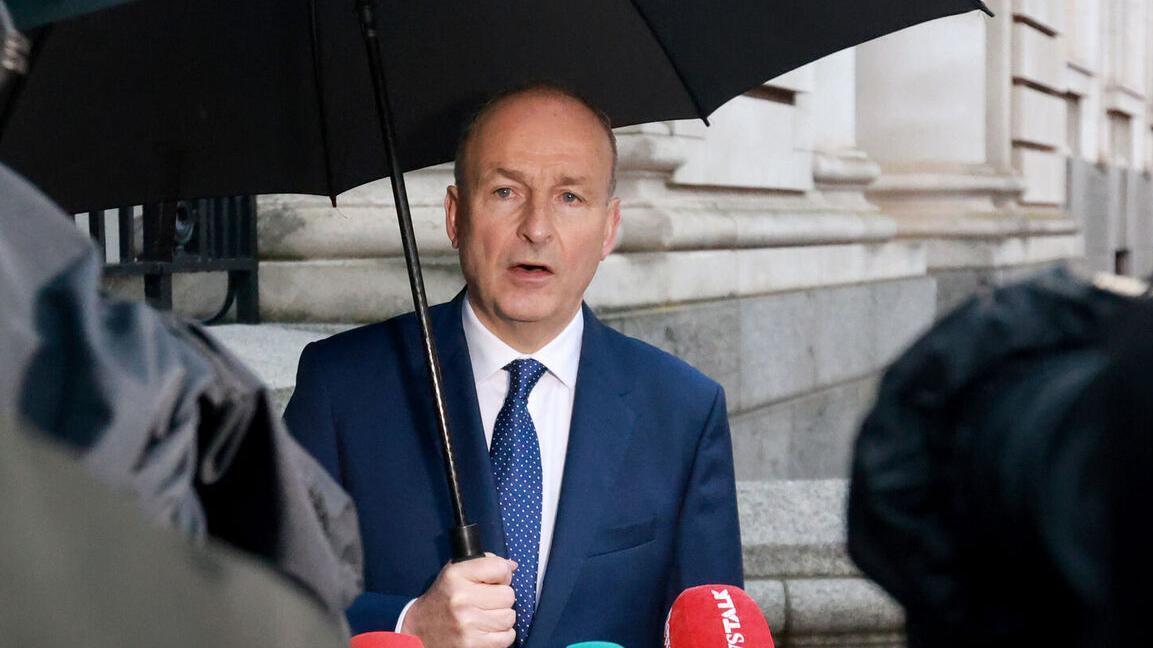
Taoiseach Micheál Martin: 'I think the drone incident does fit in with an established pattern of similar disruption incidents'. Picture: Sasko Lazarov/RollingNews.ie
Taoiseach Micheál Martin has refuted suggestions by the Russian Embassy distancing itself from the drones seen on Ukrainian president Volodymyr Zelenskyy’s flight path last week.
He pointed out that Russia’s ambassador to Ireland, Yury Filatov, previously vowed in 2022 that Russia would not invade Ukraine.
“We saw how that worked out,” he said.
And, in his firmest comments yet blaming Russia for the drones, both Mr Martin and the European Commission president, Antonio Costa, said the drones were an example of Russian hybrid attacks.
Gardaí are investigating reports that an Irish naval ship spotted up to five drones operating near the flight path of the Ukrainian president’s plane last week.
In a statement to TG4, the Russian Embassy in Dublin denied any involvement in the drone incursion.
“There has been lots of speculation in the Irish media around the reports about the drones in the vicinity of the Dublin Airport on December 1, 2025,” a spokesperson said.
“All we have seen is rumours and innuendo. We categorically reject any attempt to portray this incident in the terms of a so-called possible Russian involvement — there is absolutely no basis to that."
During a press conference with Mr Costa, the Taoiseach said: “It is a matter of the Russian ambassador tTo express views on behalf of his own government. I simply don't share his views. I would remind people that this is the same ambassador who assured us in 2022 that Russia had no plans to invade Ukraine. We saw how that worked out.
“I think the drone incident does fit in with an established pattern of similar disruption incidents that have taken place in other European states."
He said one of his colleagues at a recent meeting said: "Accidents happen on an individual basis. Patterns can be discerned over a period of time."
Mr Martin said: “That is what we're witnessing here, and indeed witnessed across other EU member states in different forms, but we need to be very clear about that. I don't believe what's happening is just coincidental.”
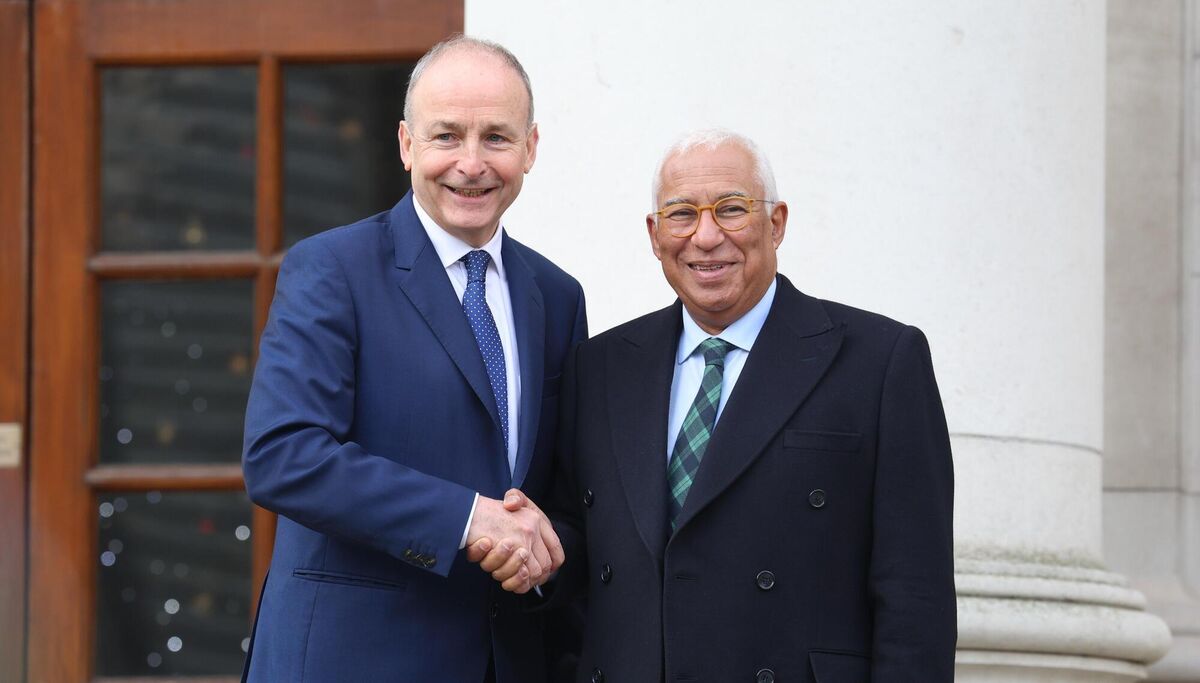
Ireland will host the EU presidency for six months from July 2026 onwards. Mr Costa said he had no concerns about Ireland’s ability to ensure the safety of leaders.
“We have full confidence in Ireland to ensure the security of the country and the security of the European Council meeting here in Dublin,” he said.
“Unfortunately, what happened last week here in Dublin is another example of the hybrid attacks from Russia and the hybrid threats from Russia to European territory.
“It's not new, but in our countries, we are managing now with these threats. We have full confidence in the Irish authorities.”
Elsewhere, the Taoiseach also refuted comments from US President Donald Trump suggesting that the European Union is “weak”.
Mr Trump told Politico that Europe was “decaying” and “destroying itself” as he criticised its immigration policies.
The Taoiseach said: “I would disagree with President Trump's description of Europe as weak.
“Obviously, it depends on how one defines strength, but Europe is one of the strongest continents in the world in terms of economic strength.”
Mr Martin added that Europe was strong during the pandemic, manufacturing and distributing vaccines, and that “Europe was the one continent that did not impose market bans or export authorisation bans”.
Mr Costa said the EU and the US will remain allies, and “must act as allies”, noting that neither should “interfere in the political internal life of our countries”.
Both leaders pledged support to Ukraine, confirming that the EU will continue to protect the country from Russia.
A European Council meeting in Brussels next week will decide on using immobilised Russian assets for reparation loans to rebuild Ukraine.
As countries, including Belgium, continue to raise issues with the plan, Mr Costa vowed that the council “will deliver next week” and that he hoped that the plan would have “the broadest possible support”.

CONNECT WITH US TODAY



Be the first to know the latest news and updates