Austin Hughes: Why €8bn in savings won't wreck the economy
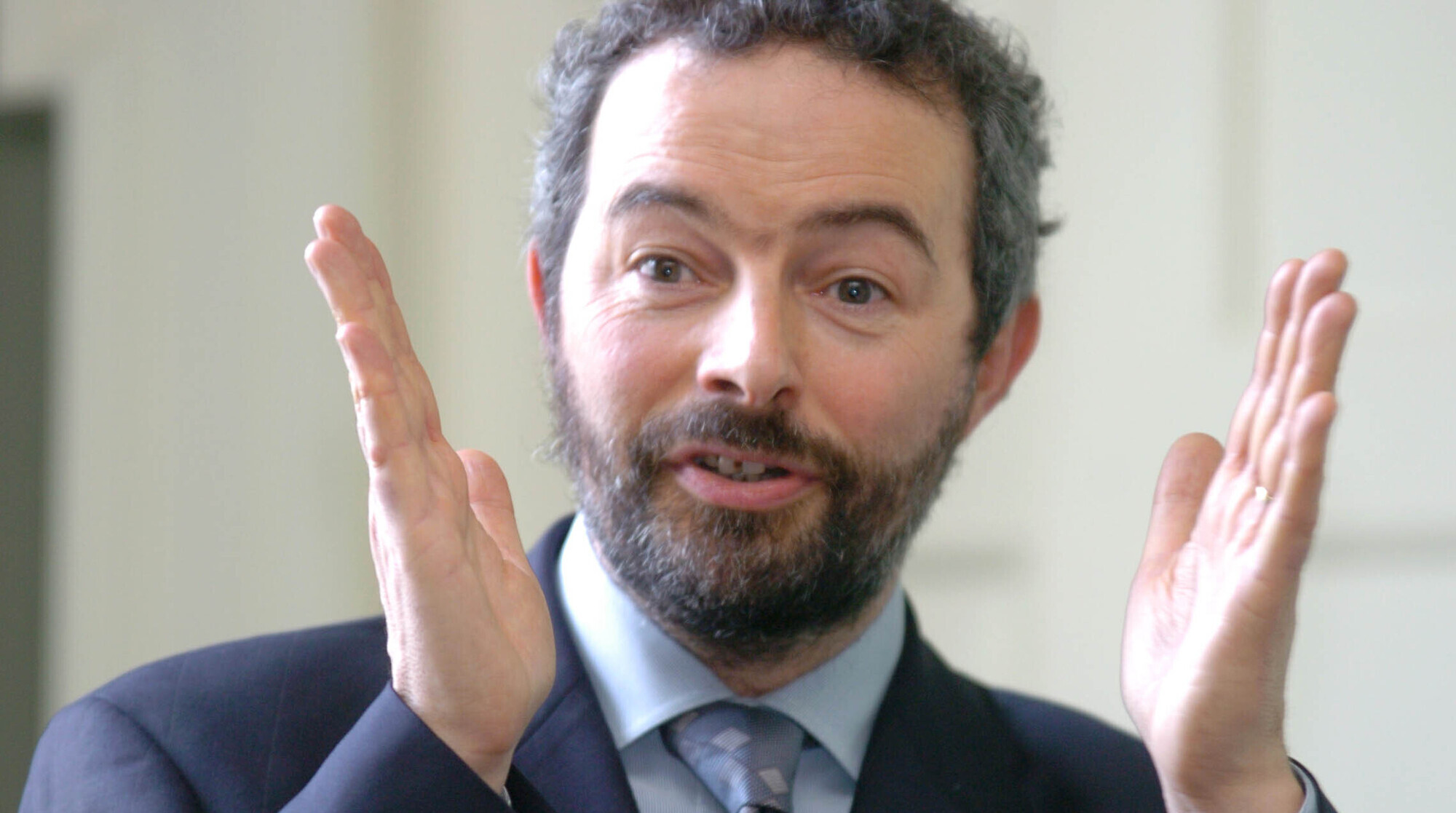
Austin Hughes: "A clear feelgood factor is markedly absent now because the financial and psychological fall-out from the financial crisis still weighs on Irish consumer sentiment and spending."
Recent economic news is really encouraging but talk of a consumer boom could be misleading and even potentially damaging.
We might soon talk about the pandemic in the past tense and even economists are sounding upbeat and the word "boom" is becoming more widespread.
We will likely see strong conditions in the Irish economy, but I think the welcome rebound we are now seeing, particularly in consumer spending, is not a boom but a bounce.
For most consumers, 2022 should bring a sorely needed sense of "thank goodness, it’s over".
This translates into a strong rise in consumer spending but unlike the credit-fuelled boom of the Noughties, the current robust increase largely reflects a catch-up on curtailed spending.
It should be remembered that household spending fell more in Ireland in 2020 than in any other EU27 country, with the exception of Spain.
You may accuse me of being a killjoy when I say we should be careful not to proclaim a boom. There are several reasons why such talk could be dangerous, and not just inaccurate.
First, the notion of a boom is as much about "animal spirits" as it is about the statistical growth rates.
A clear feelgood factor is markedly absent now because the financial and psychological fall-out from the financial crisis still weighs on Irish consumer sentiment and spending.
The latest KBC Bank consumer sentiment data for January showed consumer confidence was still slightly below its long-term trend.
Although the current mood of Irish consumers is far from gloomy, there is an understandable caution.
This has contributed to the build-up of a war-chest of savings by households since the start of the pandemic. However, deposits were on a sharply rising trend before Covid-19 crisis and I reckon the true level of excess savings is probably between €6bn and €8bn, rather than the much-quoted €15bn.
A substantial portion of this money will likely go towards funding housing or education and another significant slice will be squirrelled away.
The balance is likely to be spent in a variety of ways in the next year or so but the "wall of money" facing the economy may be smaller than often suggested.
It should also be emphasised the capacity to build savings during the pandemic was concentrated among those already comfortable enough to be regular savers. While the recovery is becoming more broadly based, it is like the downturn that preceded quite uneven.
Two-thirds of consumers in the latest sentiment survey said they expected their own financial circumstances to remain broadly unchanged in 2022. Only 15% expect an improvement and 20% think that things will get worse for them. There is no sense in the survey that consumers feel the good times are returning.
Talk of a boom may cause many consumers to feel they are being excluded from an economic party getting into full swing. The disconnect between reports of a consumer boom and the crippling reality for many households of surging living costs is economically and socially corrosive.
It would be particularly damaging if the idea of a boom were to influence fiscal policy in reacting to a perceived over-heating of the Irish economy.
Such a path would exclude significant number of people from the chance to make good the losses, either financial or in terms of opportunity, suffered in the past couple of years.
More significantly, the view that the economy was already booming would likely delay or possibly derail progress to deliver much needed improvements in housing, healthcare, and many other infrastructure areas.
It is really good news that the Irish economy is seeing a strong and increasingly broad-based recovery.
If we are to sustain this progress, we should acknowledge the improvement while focussing on still substantial challenges.
This means we need to move discussion away from the idea of a two speed economy with only "boom" or "doom" settings.
- Austin Hughes is chief economist at KBC Bank Ireland

CONNECT WITH US TODAY



Be the first to know the latest news and updates