Irish households saved billions during lockdown, so how will it be spent?
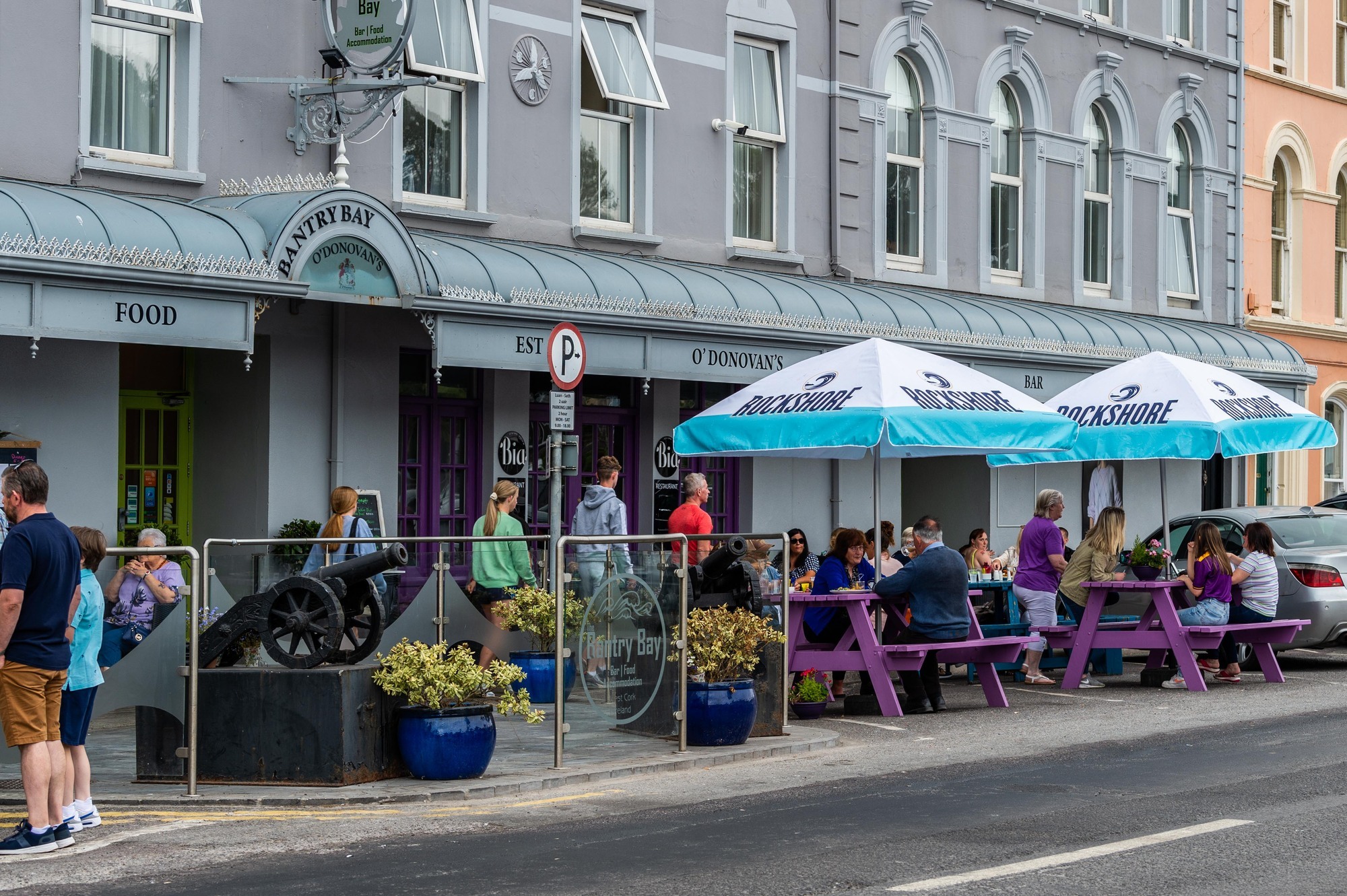
The strict lockdowns imposed over the past 16 months have lead to a surge in household savings. Picture: Andy Gibson.
More than 500 days into the global Covid pandemic, one of the most striking features from an economic perspective is the huge amount of savings generated by households in Ireland.
Relatively strong income supports put in place by the Government were put in place at the exact same moment that most avenues for consumer spending were cut off with strict lockdowns forcing the population to remain at home save for trips to the supermarket.
As a result, excess funds sitting in savings and current accounts have surged.
Figures from the CSO show that for some periods over the past 16 months, excess savings by Irish households were four times what they were pre Covid.
The trend is not confined to Ireland and is repeated across most western nations.
In Ireland, the amount of disposable income that was saved jumped from 17% in the first quarter of 2020 to 34% in the second, the highest savings rate on record and well above the long-term average of 10 per cent.
The strict nature of the Irish lockdown also meant the savings rate was about 5% to 10% above that in the US, UK, and euro area.
At the same time, incomes for Irish households were maintained through relatively attractive supports like the pandemic unemployment payments and the employment wage subsidy scheme.
Workers in many sectors like pharmaceuticals and IT even saw their incomes increase.
A key question for economics now is how that money will be spent.
Retailers, the aviation industry, hospitality, and tourism are all banking on accumulated savings being utilised to stimulate a consumer-led recovery. This is already being witnessed.
The fine weather has helped the hospitality sector and credit and debit card spending figures are likely to confirm a return to drinking and dining, bolstered by the good weather.
While spending disposal income is a positive for the overall economy many households will also use the opportunity to pay down debt, put a deposit on a house or invest it.
Financial Planner Liam O’Riordan who heads up the Cork office of Investwise Financial Planning, said they have seen first-hand an increase in individuals seeking advice about how to invest their savings given the low-interest rates offered by the banks.
"There are so many funds, so many stocks to consider, so much noise that it is hard to pick through but we are seeing people putting thought into where they want to put their savings."

"Others are also putting the money towards their pensions which, from a tax point of view is the one thing all people should be looking at."
However, Mr O'Riordan said some of the extra income is being used on riskier investments.
"There is a worrying trend of more and more people going into day trading on apps, investing in stocks and cryptocurrencies. We have heard a lot about it in the news but we are seeing it more on a day-to-day basis."
"It is really high risk and not something to be entered into lightly. It takes a huge investment of knowledge and time to make it a success."
Another outlet for the increased savings could put further pressure on the country's overheating housing market.
It is reasonable to assume excess savings by many individuals and couples will be used to fund deposits for a home, further increasing demand, and leading to a rise in prices.
Ultimately, how much of the household savings are put back into the economy remains to be seen. The closest historical example we can look to for guidance is the famous SSIA savings scheme introduced in 2001.
Launched to great fanfare by the then minister for finance Charlie McCreevy, the scheme saw the exchequer top up savings in SSIAs by 25% of the amount saved each month over a five-year period.
It attracted around 1.1m subscribers and saw the accumulation of an estimated €16bn in savings which matured at the height of the boom between 2006 and 2007.
In a CSO survey at the time, SSIA holders indicated that they would spend approximately one third on ‘consumer items’, including home improvements, cars, and foreign holidays, around 10% on debt repayments and commit almost half to ‘savings, investments or pensions.
In March, the Central Bank published an economic letter focused on how the excess savings will be spent. Authors Reamonn Lydon and Tara McIndoe-Calder said if even half of excess pandemic savings are spent, it could add up to 5% (or €5bn) to consumer spending over time.
However, they cautioned that such a scenario could be overly optimistic if unemployment remains elevated for a long period after the pandemic or if earnings fall after the gradual removal of pandemic income supports.

CONNECT WITH US TODAY



Be the first to know the latest news and updates