Ireland 'risks reputational damage' with OECD tax agreement snub
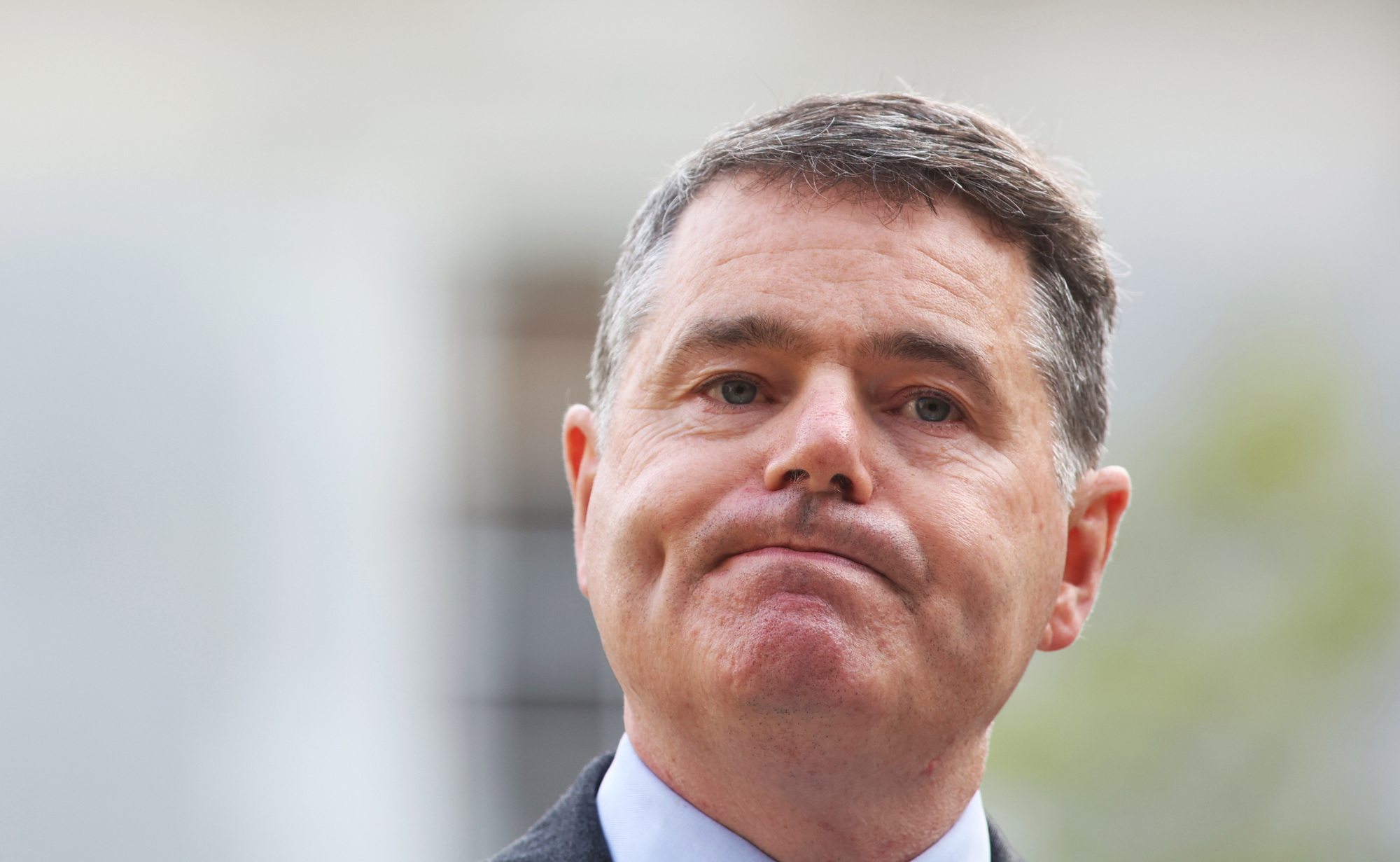
Ireland was one of only nine countries that refused to sign up to the OECD’s proposals for global corporate tax reform and changes to how multinational companies are taxed
Ireland 'risks reputational damage' with OECD tax agreement snub

Finance Minister Paschal Donohoe has been accused of risking Ireland's international reputation by holding out for a more favourable global tax reform deal.

Ireland is risking reputational damage by not signing up in agreement to the OECD’s global tax reform proposals and must do more to communicate that it remains part of the international investment community and an attractive place to do business, leading economists have warned.

Ireland was one of only nine countries that refused to sign up to the OECD’s proposals for global corporate tax reform and changes to how multinational companies are taxed. 

In all, 130 of 139 OECD countries agreed.

“Along with only two other European states and some small tax havens and African states in doing so, it [Ireland] is surely risking some reputational damage,” said Goodbody chief economist Dermot O’Leary.

While Ireland has said that it remains committed to the process of finding an outcome, it did not, in public at least, offer any potential solution to get it on board. 

"Having been committed to the process of international negotiation and co-operation on this issue, Ireland finds itself between a rock and a hard place by holding out on an agreement that most of the world has signed up to,” Mr O’Leary said.

Despite not signing up on Thursday, Ireland remains broadly supportive of the OECD proposals with only the 15% minimum global corporate tax rate its sticking point. 

Finance Minister Paschal Donohoe said Ireland remains committed to reaching an agreement on global tax reform and will continue to play its part in future talks.

However, some view it as inevitable that Ireland will have to sign up, especially if the US agrees.

“A final agreement is expected to be reached by October. The Irish Government may use this time to prepare the public for changes that now seem inevitable," Mr O’Leary said.

"An important message will be that Ireland’s corporate tax rate will remain competitive in the context of significantly higher rates in most of the rest of Europe."

KBC Bank Ireland chief economist Austin Hughes said Ireland is currently talking to two audiences — the OECD, over its concerns on the proposed reforms; and the international investment community. 

He said Ireland needs to better communicate its attractiveness — through its growing economy and good tax regime — to investors.

x

More in this section

The Business Hub

Newsletter

News and analysis on business, money and jobs from Munster and beyond by our expert team of business writers.

Cookie Policy Privacy Policy Brand Safety FAQ Help Contact Us Terms and Conditions

© Examiner Echo Group Limited