Inflation hits 3.2% driven by food and energy costs
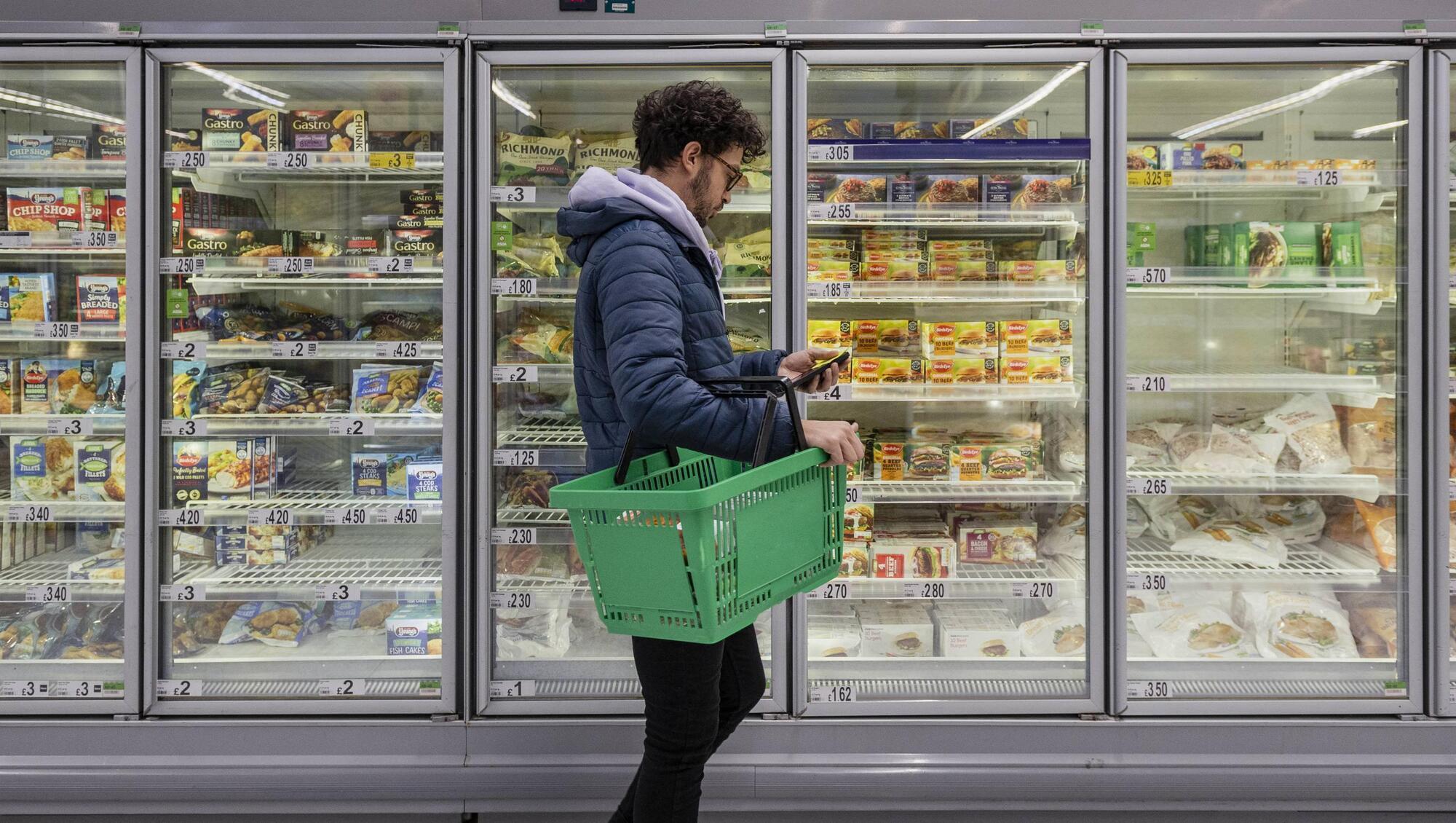
Inflation has risen sharply this year with prices in Ireland estimated to up 3.2%, fuelled by food and energy costs, according to figures released by the CSO on Monday.
Inflation has risen sharply this year with prices in Ireland up 3.2%, fuelled by food and energy costs, according to figures released by the CSO on Monday.
The EU Harmonised Index of Consumer Prices (HICP) for Ireland is estimated to have risen by 3.2% in the 12 months to November 2025, despite falling by 0.2% on last month's figure.
The statistics show energy prices are estimated to have grown by 0.7% in the month and rose by 3.3% over the 12 months to November 2025. While food prices are estimated to be unchanged in the month, they increased by 4.2% in the last 12 months.
Transport costs have grown by 0.1% in the month and rose by 3% in the 12 months to November 2025. On Monday, AA Ireland released its latest monthly fuel price survey which showed "a clear rise in petrol and diesel prices this month".
Excluding energy and unprocessed food, the HICP in Ireland is estimated to have risen by 3% since November 2024.
Overall, HICP inflation stood at 2.8% in Ireland in the 12 months to October, while there was an annual increase of 2.1% in the HICP for the eurozone in the same period. Eurostat will publish flash estimates of inflation from the EU HICP for the Eurozone for November 2025 on Tuesday.
In its fuel price survey, the AA Ireland said electric vehicle (EV) charging costs continue to rise particularly for night-rate and 24-hour electricity plans, as well as pay-as-you-go (PAYG) fast charging. The pricing survey found unleaded petrol costs stood at €1.74 per litre in November, from €1.72 in October, while diesel was €1.72 per litre, up from €1.68 in October.
The increase in the carbon tax from the budget came into effect for auto-fuels in October, at €71 per tonne of CO₂ emitted.
“We’ve seen a clear rise in petrol and diesel prices this month, and that’s going to be felt immediately by motorists who rely on their cars every day. Even small increases add up quickly, especially as families face higher seasonal expenses heading into winter.
"At the same time, some home electricity tariffs edge upward, which means some EV owners could also see their running costs increase, particularly those on night-rate or 24-hour plans."

CONNECT WITH US TODAY



Be the first to know the latest news and updates