Ireland 'committed to global tax reform', despite not signing up to OECD proposals
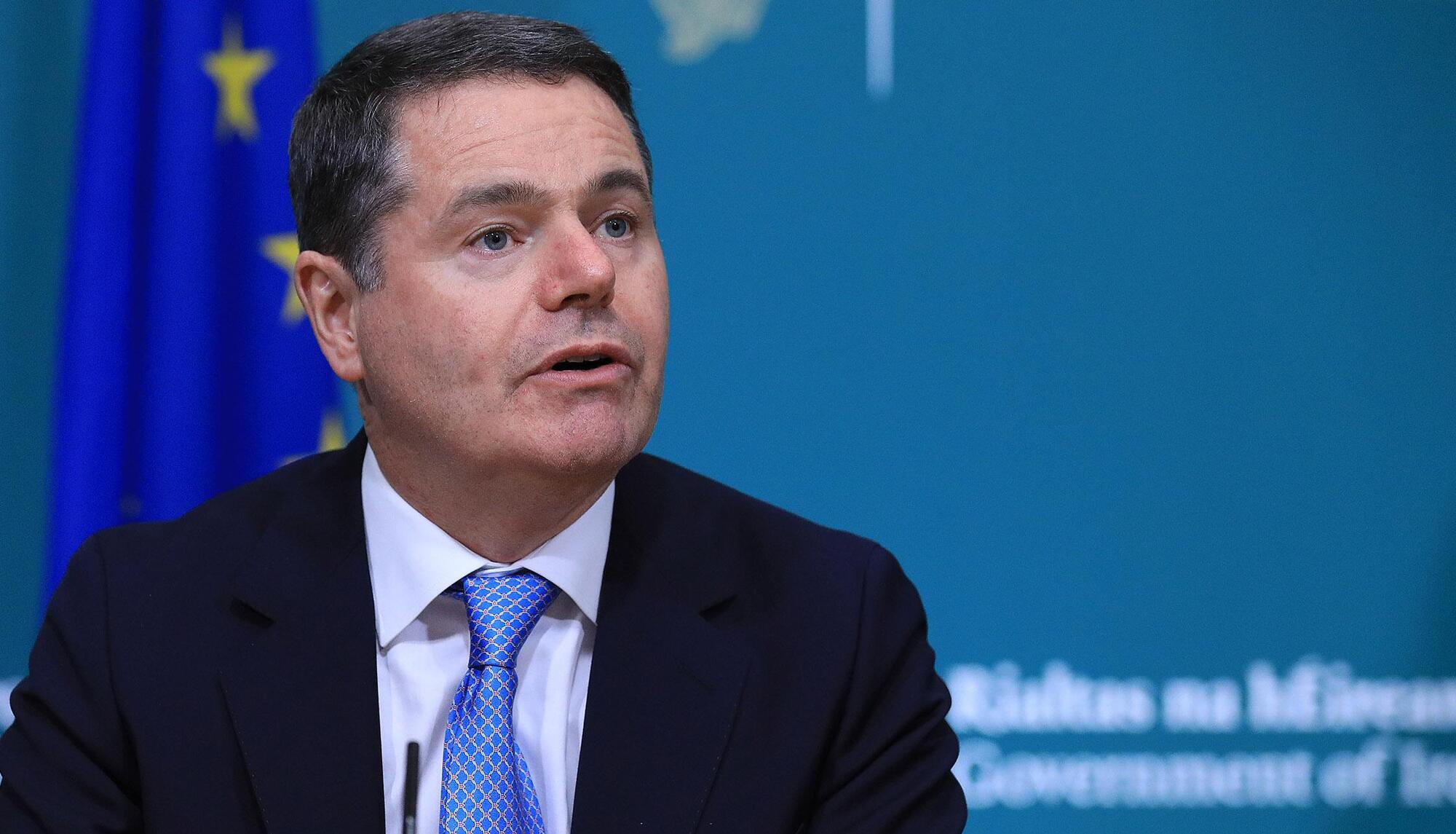
Finance minister Paschal Donohoe said that Ireland will engage to deliver sustainable tax rules that meet the needs of all countries large and small.
Finance minister Paschal Donohoe has said Ireland remains “committed” to reaching an agreement on new global tax rules despite being one of only nine OECD countries, out of 139, not to sign up to an agreement on a global minimum tax rate.
A significant majority of OECD countries have agreed to the organisation’s tax reform plans.
Mr Donohoe said Ireland “broadly” supports the OECD proposals.
He said the Government fully supports the proposal for the re-allocation of a proportion of tax to the market jurisdiction.
Mr Donohoe also said Ireland broadly supports the proposal of a global minimum effective tax rate.
However, Ireland hasn't signed up to the OECD agreement as the Government has reservations about the prospect of a minimum rate of at least 15%.
The OECD talks followed the recent agreement of G7 finance ministers to push for a global tax rate of 15%.
While the G20 nations still need to agree, and any comprehensive agreement is not expected until October, the world has taken a big step toward sweeping changes to global taxation with the 130 countries endorsing the OECD's push to set a minimum rate for corporations, along with rules to share the spoils from multinational firms like Facebook and Google.
Mr Donohoe said there remains much to be finalised before a comprehensive agreement is reached in October.
However, he said Ireland will constructively engage in further discussions due to take place over the coming months.
“I have consistently spoken of my desire for a comprehensive, sustainable and equitable agreement on the international tax rules at the OECD that meet the needs of all countries, large and small, developed and developing,” the minister said:
I have expressed Ireland’s reservation, but remain committed to the process and aim to find an outcome that Ireland can yet support. Ireland will continue to play our part in reaching a comprehensive and, indeed, historic agreement,” Mr Donohoe added.
The minister has previously said that Ireland could miss out on more than €2bn a year in annual corporate tax revenues under any new OECD tax reform plan. He reiterated that point after these OECD talks.
"There will be a cost to Ireland for this, in terms of reduced corporation tax receipts, but overall Pillar One [the OECD proposal regarding re-allocation of taxes] will bring stability and certainty to the international tax framework and will help underpin economic growth from which all can benefit," he said.
The new rules — including the 15% minimum rate — could be implemented as soon as 2023.
While the OECD said a “small group” of nations “have not yet joined” the plan, it noted several key countries that had been question marks agreed to the statement - including India, China and Turkey.
The technical details may leave room for further concessions to developing economies.
• Additional reporting Bloomberg
CONNECT WITH US TODAY



Be the first to know the latest news and updates