Seamus Coffey: Small countries such as Ireland may yet have say on what the powerful G7 wants from multinationals
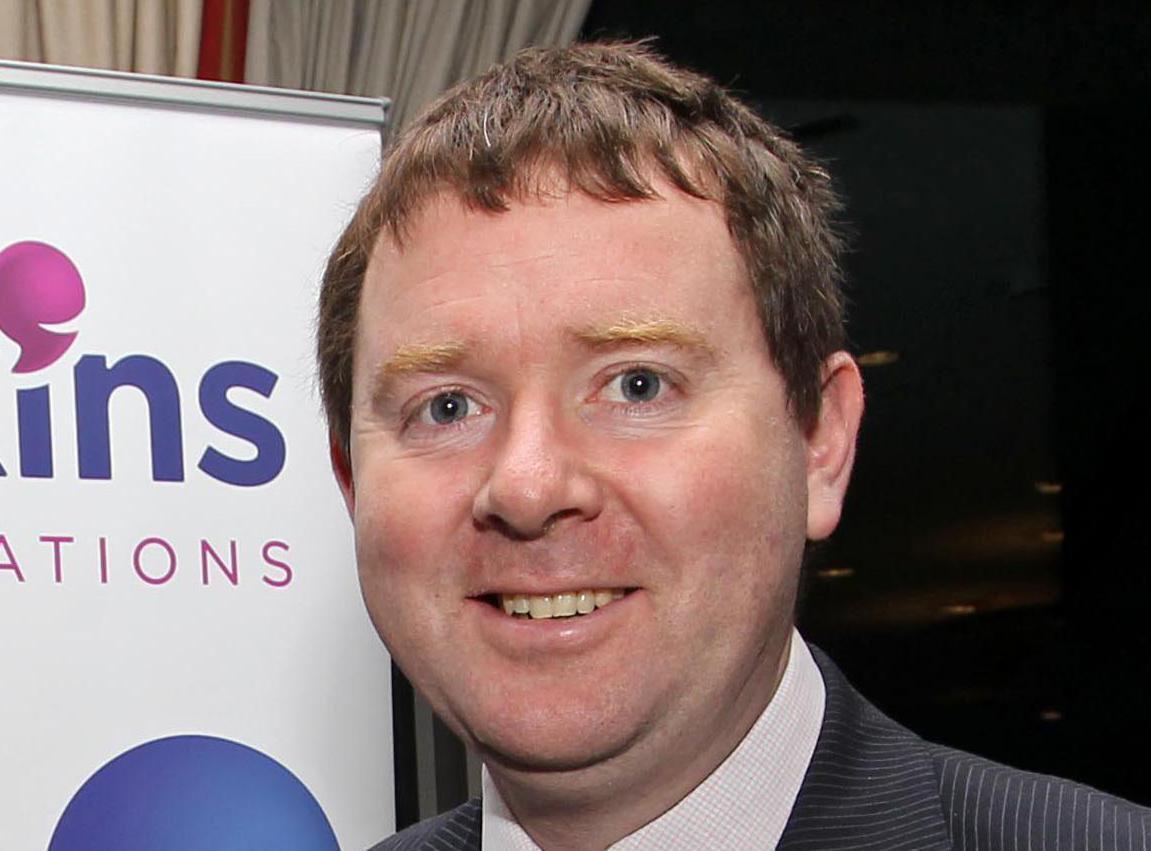
Seamus Coffey: Like Ireland, the US may lose the right to tax some of the profits of its multinationals.
The G7 reaching an agreed position on the taxation of multinational companies is almost as important as details of their agreement.
The G7 is made up of some of the world's largest economies and the group having an agreed position means it will hold significant sway.
At the moment it is just a proposal and requires agreement from a much larger group of countries, including many small countries, for any of it to come into force.
From an Irish perspective, a significant issue is likely to be the proposal to allocate some taxing rights on corporate profits to market countries.
The use of the location of customers to determine where companies pay their tax would be a huge change from the system that has been in place for almost 100 years.
The current system is based on where companies have their activities.
Foreign-owned companies, particularly US multinational corporations, have significant operations in Ireland.
In recent years, Ireland has seen corporation tax receipts soar and, in part, this has been because of changes introduced via the Organisation for Economic Co-operation Development that sought to align profits with substance.
Recent data from the US tax authority has shown that, across all the countries in the world, Ireland was the third-largest recipient of corporate taxes from US multinationals in 2018.
This is an astonishing, and likely unsustainable, outcome for such a small country. We will not be a winner with the move to now allocate profits to where the customers are.
That big countries, with big markets, are proposing this is not a surprise though exporting members of the group such as Germany and Japan are likely to have sought assurances that the changes will not harm them.
Ireland is an exporting country but does not have the benefit of a large domestic market to fall back on.
If the proposal to allocate some taxing rights to market countries does get broad agreement then the amount of profit subject to Ireland's 12.5% corporation tax will be reduced.
However, maybe Ireland will be willing to accept those losses if the attractiveness for investment and employment of the 12.5% rate can be maintained.
The position of the Government is not outright opposition to a minimum tax but that it should be compatible with Ireland's 12.5% rate.
With other countries also likely to hold a similar position that may yet be something that happens.
The G7 cannot change Irish tax rates. The 15% minimum tax relates to the final amount of tax paid on corporate profit with the home countries of multinationals tasked with ensuring that all of a company's profits have been subject to at least 15% tax.
If the G7 countries wish to do this it is entirely free to do so now. It does not need international agreement to levy taxes on its own companies.
The reason it is looking for international agreement is out of concern that its companies are not at a competitive disadvantage.
The US already has a minimum tax on the foreign profits of its companies. The president Joe Biden administration has proposed to double this from the current 10.5% rate to 21%.
It is not out of concern for the tax revenues of other countries that the US wants them to also have a minimum tax rate. At 15%, it is not likely that the proposed minimum tax would generate significant additional revenues.
Most companies currently face effective tax rates that are greater than this. The 2020 accounts of Google and Microsoft show that they had effective tax rates of 16.2% and 16.5%.
There may be some scope for additional revenue with the G7 proposal that the minimum tax be applied on a country-by-country basis and any additional such tax on the likes of Google and Microsoft will be paid to the US Treasury.
It would be higher if the Biden proposal for a 21% minimum rate gets approval of the US Congress but that seems unlikely.
Indeed, like Ireland, the US may lose the right to tax some of the profits of its multinationals.
That is why it has pushed for the reallocation of taxing rights to market countries to apply to a set of large companies and not be limited to digital companies which was the thrust of earlier OECD and EU proposals.
It is clear the US got its way on this in the G7. The G7 has had its say and that it takes an agreed position into the next round of negotiations is very significant.
However, let’s see what the smaller countries involved have to say before considering it a done deal.
- Seamus Coffey is an economist at UCC and a former chair of the Irish Fiscal Advisory Council. He has also written key reports for the Department of Finance on global tax changes and Irish corporation tax revenues