ESRI: Economy to surge 11% but housing headache to linger
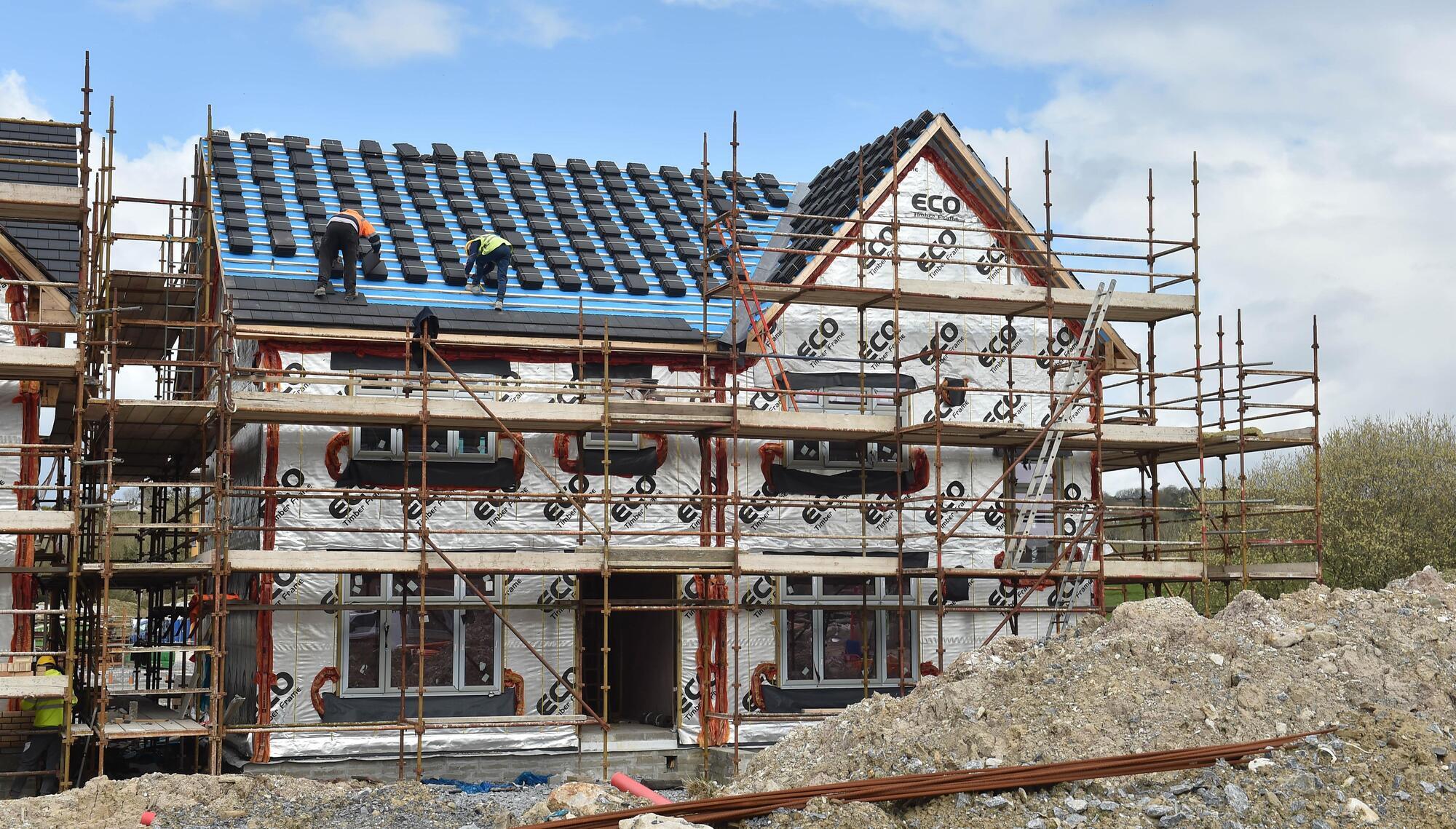
The ESRI has warned it is likely to be 'some time' before housing supply recovers to meet rising demand. Picture: Dan Linehan
The economy should surge by as much as 11% this year and be fully back to where it would have been if Covid had never occurred, by 2022, if there are no further interruptions to the country’s recovery from the crisis, the Economic and Social Research Institute (ESRI) has said.
However, the economic think-tank has warned that housing remains a huge fly in the ointment for the economy with it likely to be “some time” before housing supply recovers to meet rising demand.
It said there is a “pressing requirement” for the Government to increase its investment in boosting the supply of housing.
“If public health measures continue to be eased, the Irish economy will grow very strongly this year,” said the ESRI’s Conor O’Toole.
Multinational exports, dominated by the pharmaceutical sector, should drive GDP into double-digit percentage growth, but the institute also expects strong domestic demand growth, with consumer spending set to grow 7.5% this year and 8.5% in 2022.
Exports should grow by over 13% this year and by more than 8% in 2022.
As well as eyeing 11.1% GDP growth this year, the ESRI expects nearly 7% growth in 2022.
Even in GNP terms, which excludes multinational contributions, the economy should grow by around 8.5% this year and close to 6% next, it said.
The institute also said it sees the unemployment rate — which Covid had driven as high as 30% last year — falling to 9% by the end of this year, as the economy continues to reopen, and to decline to an average of 7.1% in 2022.
Latest CSO figures show the Covid-adjusted unemployment rate fell to 21.9% in May, down from 24.8% in April and 29.8% 12 months ago.
The ESRI estimates that the Covid crisis has cost the Irish economy €24bn in lost output, but that the economy should return to where it was before the pandemic by as early as next year.
It still sees a, albeit shrinking, deficit this year and next, eventually falling to around €8.7bn, or 1.9% of GDP next year.
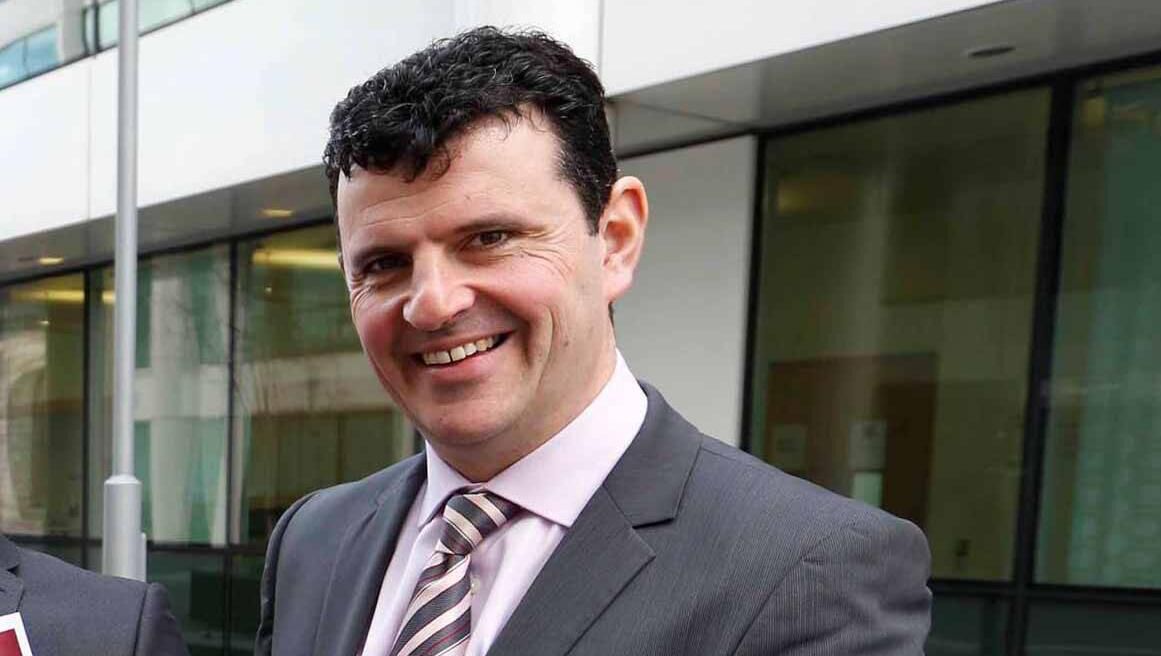
ESRI research professor Kieran McQuinn said that with Ireland’s projected growth rate and lower borrowing costs, the Government could sustainably borrow between €4bn and €7bn per year.
Some of that money, he said, should go into housing. The ESRI expects 18,000 new houses to be built this year and that figure to increase to around 21,000 by the end of 2022.
“Housing demand has not diminished, as is evident from the annual increases observed in house prices. However, housing supply may take some time to recover.”
Mr McQuinn said if Covid hadn’t happened, Ireland could have been set to reach a level of 30,000 new homes per year by 2023 or 2024. However, he said the Covid disruption has likely pushed that kind of annual total back “a few years”.
The ESRI recently said the Government should be doubling, to €4bn, its housing investment to stave off a further cycle of rising prices and rents.
Mr McQuinn also said the idea of a four-day working week shouldn’t be a priority for the Government, with challenges for the exchequer already mounting up.
CONNECT WITH US TODAY



Be the first to know the latest news and updates