Ibec says four-day working week 'not realistic'
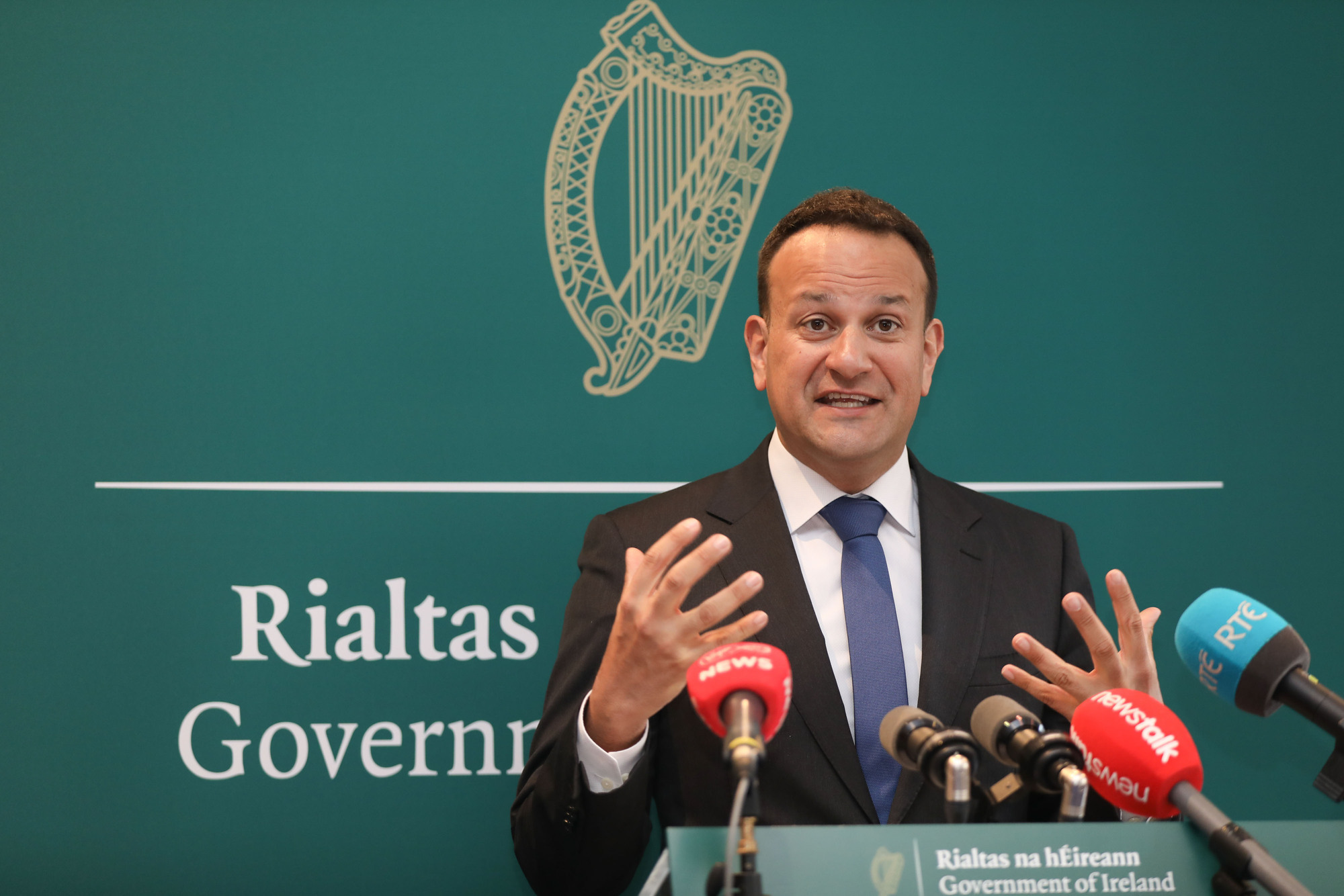
Tánaiste Leo Varadkar has already suggested an across-the-board shortening of the working week may be too ambitious, but said the Covid crisis has forced some level of rethink around working practices.
Employers’ group Ibec has said the Government’s initial proposal of a four-day working week is “not realistic” and would be “too expensive” for many businesses.
The Government is to seek proposals from the research community on the social, economic, and environmental implications of reduced working time in the wake of the Covid-19 pandemic.
The Departments of Enterprise, Trade and Employment and the Environment, Climate and Communications will formally open the call on July 1 for submissions to give consideration as to how a four-day working week would operate.
Ibec’s director of employer relations, Maeve McElwee, said the proposal is good in so far as it promotes the idea of worker flexibility.
However, she said the move to a “universal” four-day working week is “not realistic”.
She said it would prove “prohibitively expensive” for many businesses, especially sectors which demand seven-day staff service such as healthcare.
Ms McElwee said it would provide an extra burden of additional staff and recruitment costs.
Tánaiste Leo Varadkar has already suggested an across-the-board shortening of the working week may be too ambitious, but said the Covid crisis has forced some level of rethink around working practices.
The research will examine the impact reduced working hours would have on greenhouse gas emissions, environmental pollution, and energy consumption; along with economic impacts such as employment levels, competitiveness, staff productivity, gender inequality, staff wellbeing, and job satisfaction.
“The Covid-19 pandemic has caused us to rethink and re-evaluate how we work," the Tánaiste said.
"It’s been shown that huge numbers of people can be just as productive while working at home rather than having to come into the office every day and it has accelerated the shift towards more flexible and family-friendly working hours."
"It’s too early to say whether a four-day working week could work in Ireland. The idea is ambitious; to achieve the same outcomes and productivity, for the same pay, with 20% fewer hours worked.
"I can see how that might work for some roles, but it’s hard to see how it would work in others particularly in health, education and manufacturing for example.
"But we need to keep an open mind when it comes to innovations in the world of work," Mr Varadkar said.
The idea of a four-day week is also being piloted in the UK, the US, and New Zealand.
A lobby group for the concept — featuring the Fórsa trade union, the National Women’s Council, Friends of the Earth Ireland and a number of Irish businesses and academics — say it can have positive results for businesses and employees.