Ireland awaits G7 agreement on global tax for multinationals expected Friday
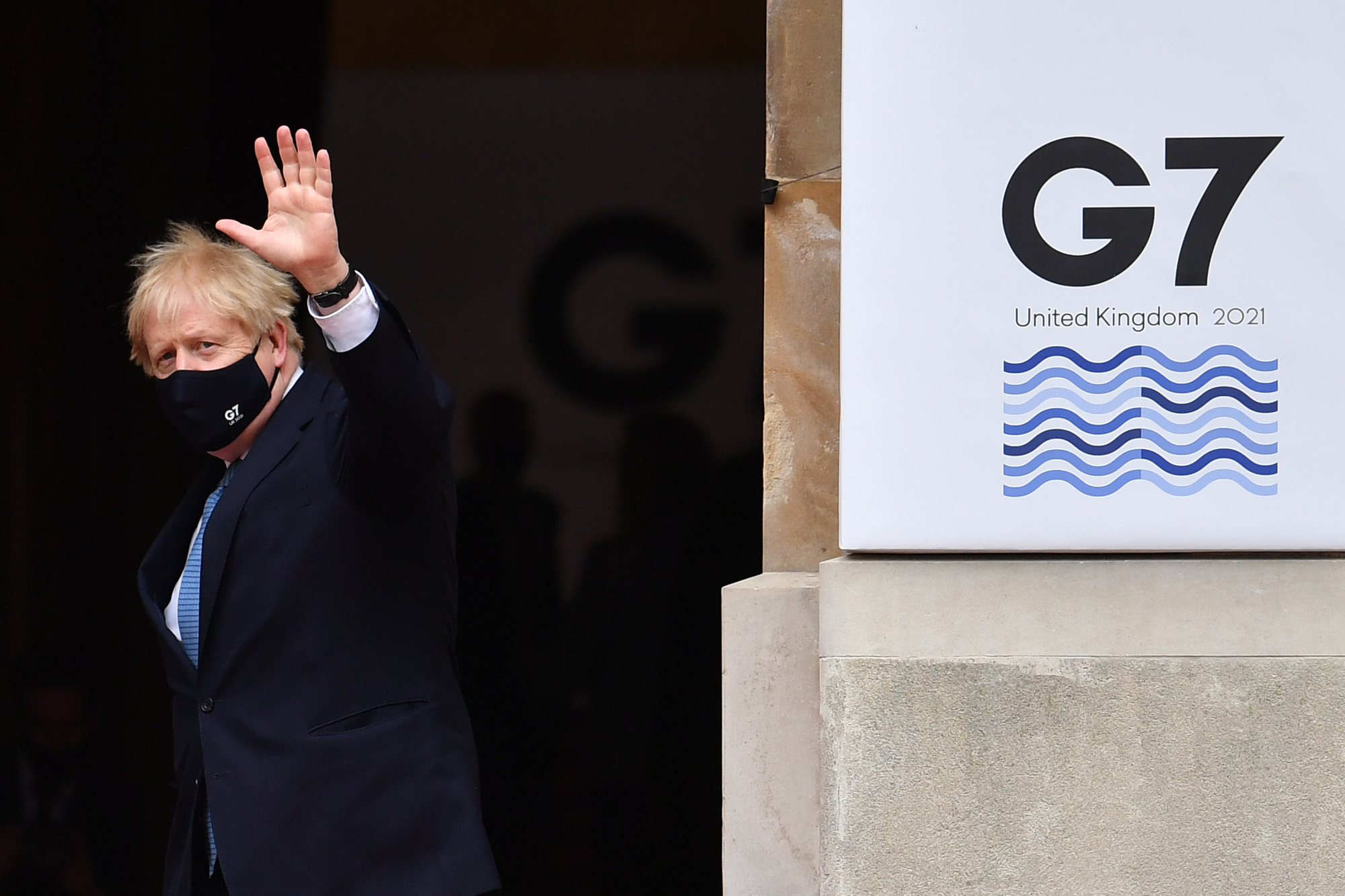
British Prime Minister Boris Johnson at a G7 meeting in London in early May
G7 finance ministers from the world's seven largest economies are expected to agree on support for a global minimum corporation tax rate on Friday as part of talks being held in London between the group of wealthy nations.
The potential landmark tax reform has obvious implications for the amount in corporation taxes Ireland will collect from the multinationals and comes as governments around the world grapple with record levels of public borrowing incurred during the coronavirus pandemic.
A small handful of multinationals paid the bulk of the €11.8bn the Irish exchequer collected last year in corporate taxes.
Earlier this week, the US focused minds by threatening to impose punitive tariffs on exports from the UK and five other countries in retaliation for digital services taxes recently imposed on US corporates.
The proposals of President Joe Biden are intended to replace these unilateral moves by creating international agreements that capture the vast profits made by the likes of Apple and Microsoft in Europe and elsewhere.
Any deal would follow years of false starts in attempts to ensure that multinationals and the giant tech companies pay their fair share of taxes.
Negotiations to reform the global tax system have been under way since the aftermath of the 2008 financial crisis, with the latest talks taking place between 135 countries at the Organisation for Economic Cooperation and Development (OECD) in Paris. There are hopes that support from the G7 will spur wider backing at a meeting of G20 finance ministers in Italy next month. The aim is to strike an agreement by October.
There are two main pillars of the blueprint being negotiated.
Under pillar one, countries would get a new right of taxation over a share of profits generated in their jurisdiction by an overseas-headquartered multinational. Under pillar two, a minimum corporation tax rate would be imposed by countries on the overseas profits of large companies headquartered in their jurisdiction.
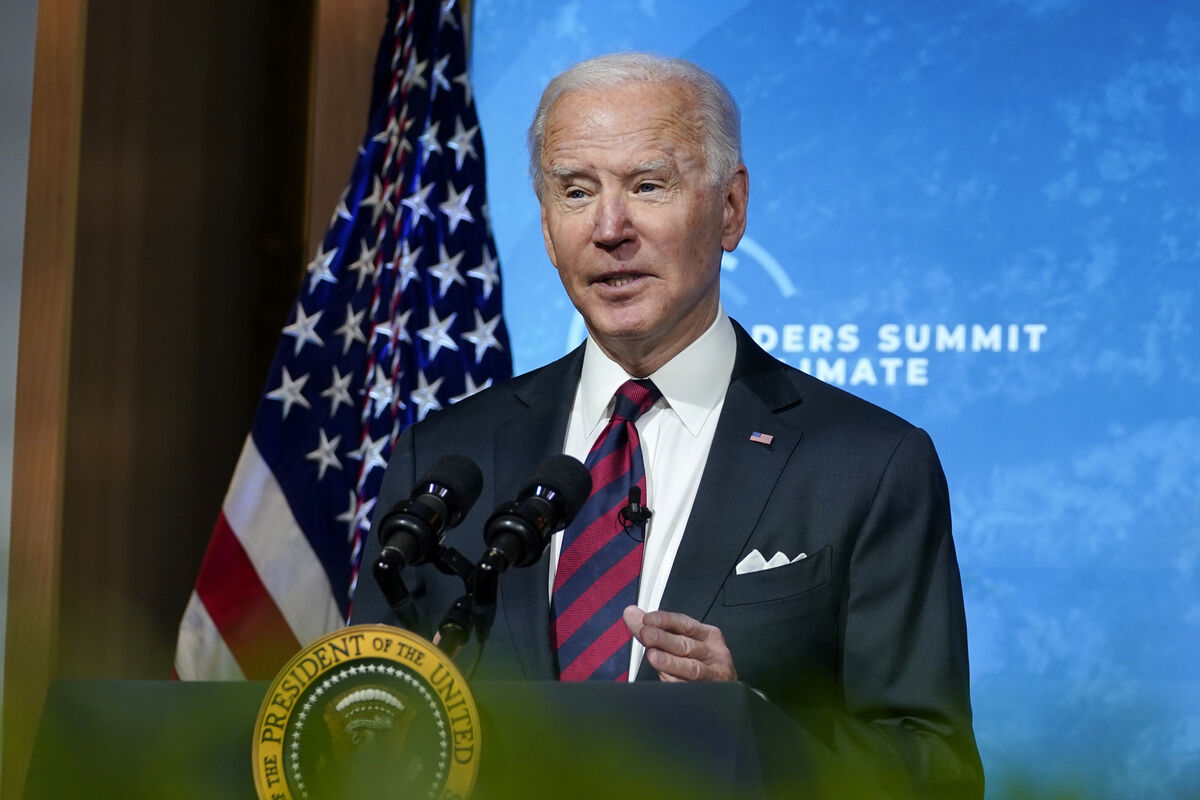
President Biden has proposed a minimum rate of 21%, but Washington has since dropped this recommendation to 15% to win support for the reforms from other countries.
The Biden administration has proposed that about 100 multinationals would be within the scope of pillar one. It has not published a list of these firms, or the thresholds that would need to be applied to bring them into scope, but tax experts believe about half of those affected would be US companies, including about eight digital firms.
The Washington plans are likely to replace OECD proposals put forward last year, which included a €750m revenue threshold. The plans for a minimum global corporation tax rate, under pillar two, would capture up to 8,000 multinationals.
Analysis by the EU Tax Observatory indicates companies that would be forced to pay more tax would include the oil giants BP, Shell, Iberdrola and Repsol, the mining firm Anglo American, telecoms firm BT, and banks such as HSBC, Barclays and Santander.
The OECD estimated last October that as much as $81bn (€66bn) in additional tax revenues each year would be raised under the reforms. Pillar one would bring in between $5bn and $12bn, while pillar two, the global minimum rate, would collect between $42bn and $70bn.
Ireland could lose at least €2bn per year, according to Finance Minister Paschal Donohoe.
Under pillar two, each country would collect the underpaid taxes of its own multinationals.
If a company moved its headquarters to a low-tax jurisdiction, the rules would allow a country to apply the minimum rate to the firm’s operations within its borders if its new parent country did not apply the minimum rate.
The UK and several other EU nations have introduced unilateral digital services taxes to address this issue. The US wants them dropped if a multilateral agreement is reached.
The plan for a minimum rate in the US would also need to pass through Congress, which is split 50-50 between Republicans and Democrats, making it harder for the Biden administration. However, tax experts believe some form of minimum will be agreed.
- Guardian Service and Irish Examiner

CONNECT WITH US TODAY



Be the first to know the latest news and updates