More than three million bookings lost following Level 3 escalation
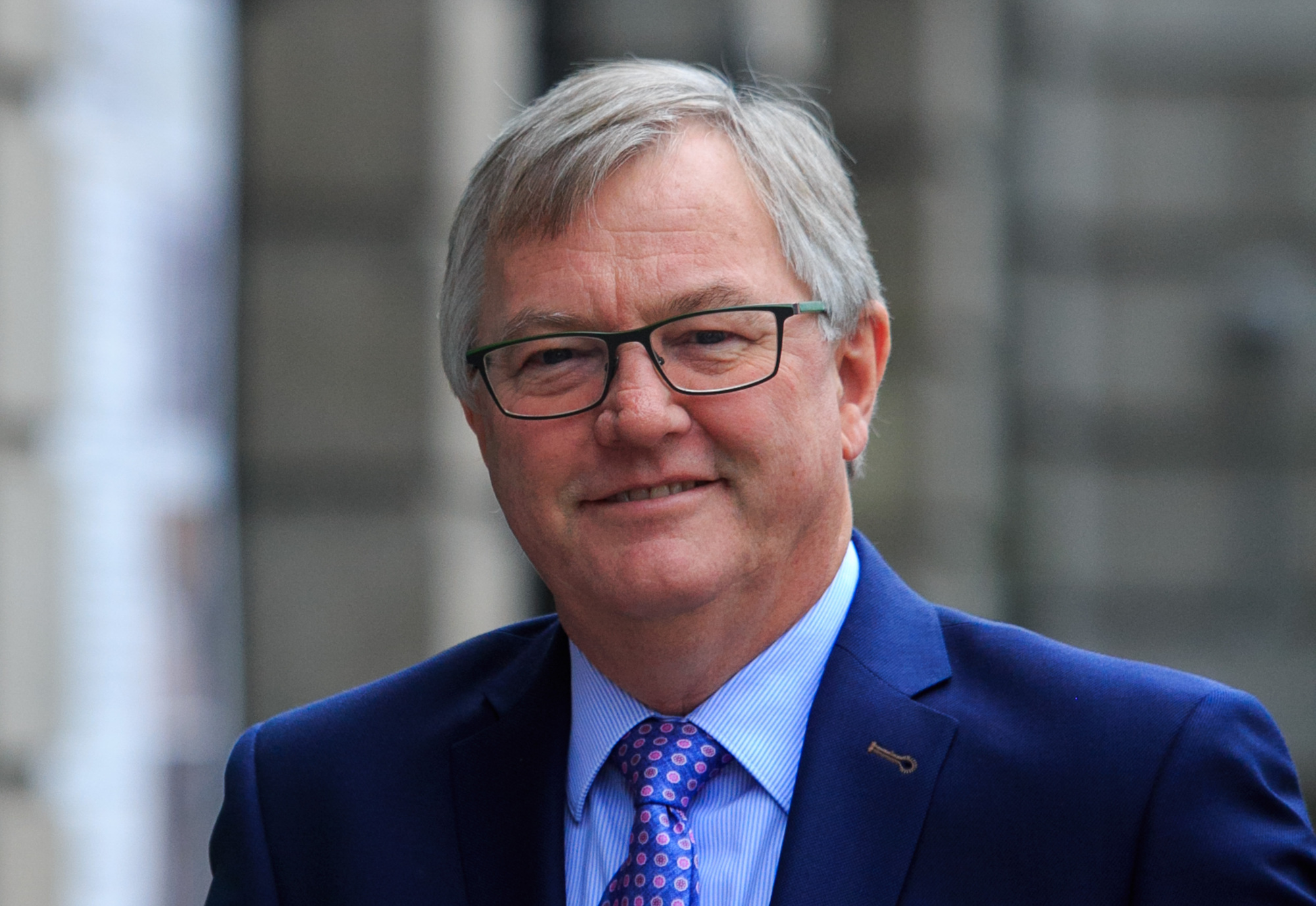
Chief Executive of the Irish Hotels Federation Tim Fenn said it is "make or break time" for the tourism and hospitality sectors. Picture: Gareth Chaney/Collins
More than three million bednight bookings have been lost following the Government’s escalation to Level 3 of the ‘Living With Covid-19’ plan earlier this week, a new survey from the Irish Hotels Federation (IHF) shows.
The IHF survey, carried out this Wednesday, found almost 3.3 million bednight bookings have been lost from October to December, compared to the same time last year. This represents an all-time-low for the industry.
Dublin City and County, which has been under Level 3 restrictions for a number of weeks now, is the worst affected region in the county.
Occupancy levels stood at just 13% in the region for the month of October, falling to 7% in November and 8% in December.
This compares to a national average of 17% occupancy for the month of October, and 10% for November and December.
Occupancy levels in the South-West region (Cork and Kerry) fared slightly better than average for October at 19%, but fall to just 9% for both November and December.
IHF Chief Executive Tim Fenn says it is “make or break time” for Ireland’s tourism and hospitality industry which has been “brought to its knees as a direct consequence of additional Government restrictions.”
“Over 100,000 jobs have been lost so far with a further 100,000 at imminent risk as many hotels struggle to stay open in the face of enormous uncertainty for the remainder of the year,” he said.
Mr Fenn said many will be forced to decide “whether or not to close” in the coming weeks.
“This must be recognised by the Government in the upcoming Budget. Existing supports for the tourism industry are wholly inadequate given the current restrictions.”
“Urgent and unprecedented intervention by the Government is essential to support tourism and safeguard the thousands of jobs that are at risk.”
Mr Fenn said “sector specific measures” are required including enhanced employment subsidies, a reduction in tourism VAT, extended waiver of local authority rates and greater access to banking finance.