Ireland suffers one of the biggest falls within the EU in number of hours worked
The reduction in Irish labour activity was almost twice the EU average of 11% for the period.
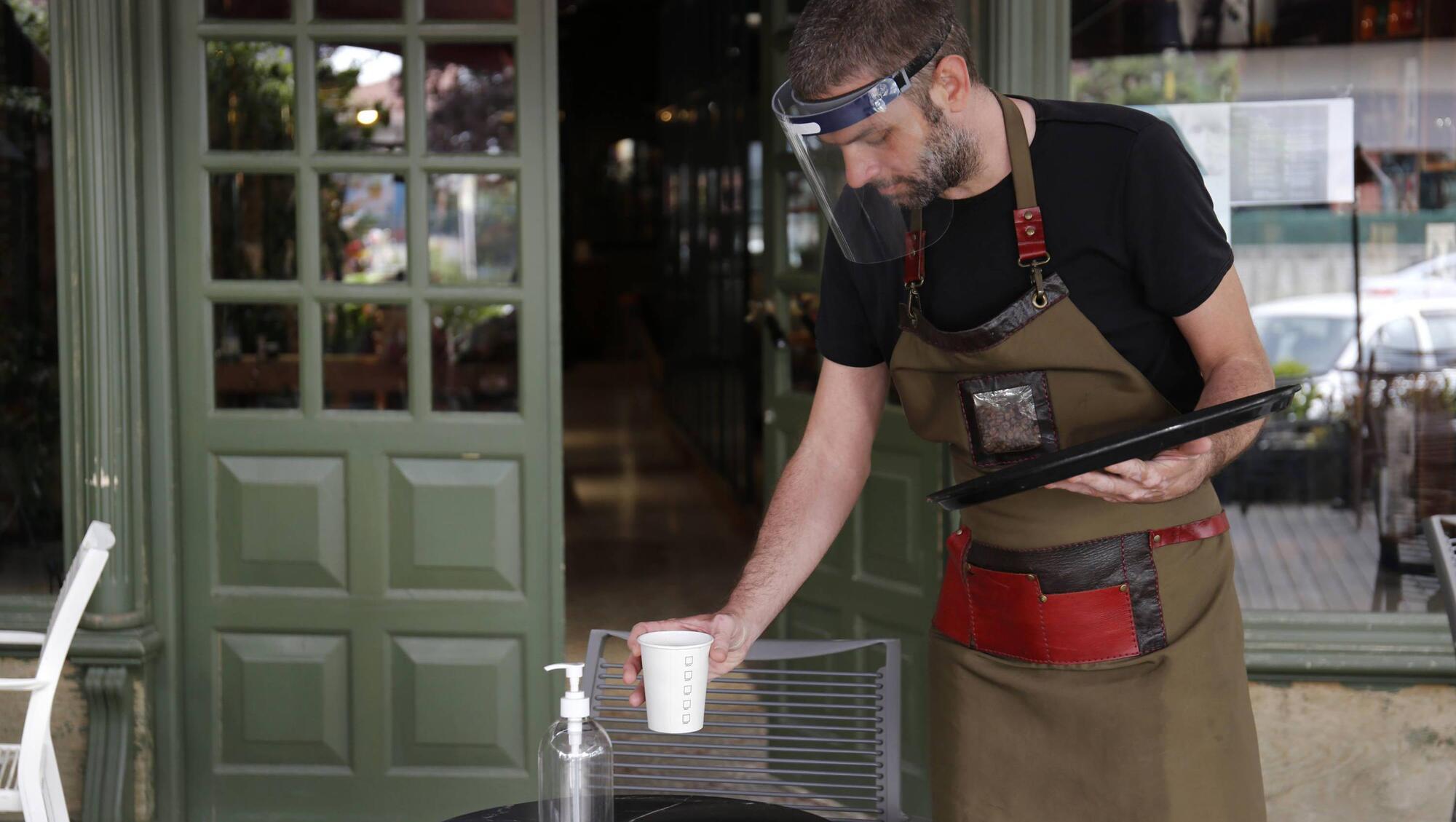
Ireland recorded a 20.7% drop in labour activity by people in their main job between the first and second quarter of 2020. Picture: iStock

Ireland recorded a 20.7% drop in labour activity by people in their main job between the first and second quarter of 2020. Picture: iStock

Ireland has suffered one of the biggest falls in the number of hours worked by its labour force of any EU member state as a result of the Covid-19 pandemic.

New figures published by the European Commission show the Republic recorded a 20.7% drop in labour activity by people in their main job between the first and second quarter of 2020.

It was the fourth-largest fall-off in the EU after Spain, Portugal and Greece as many EU member states were badly affected by Covid-19 measures taken by their respective governments.

The reduction in Irish labour activity was almost twice the EU average of 11% for the period.

In contrast, the drop in total hours worked in Sweden where very few restrictions were imposed was just 2.8%.

However, while the number of hours worked by the Irish workforce plummeted, the unemployment level remained stable.

Figures show the seasonally adjusted unemployment rate in Ireland remained unchanged at 4.5% between the first two quarters of this year at a time the EU’s average unemployment rate rose from 6.3% to 6.5%.

The European Commission said the usual figures on employment and unemployment rates were insufficient to describe all the developments taking place in the labour market as a result of the pandemic.

The employment rate for adults aged 20-64 years in the Republic decreased from 74.5% to 72.8% over the same period — just above the EU average.

However, the European Commission said the usual figures on employment and unemployment rates were insufficient to describe all the developments taking place in the labour market as a result of the Covid-19 pandemic.

It pointed out that active measures to contain employment losses led to temporary absences from work rather than redundancies.

Ireland recorded a sharp rise in such numbers with 26.8% of all employees temporarily out of work at the end of June – the sixth-highest rate in the EU.

Greece had the highest at almost 40%, while the EU average was 21.8%.

Labour market 'slack'

In addition, Ireland had the largest increase in labour market “slack” among the 27 EU member states which was up 3.4 percentage points between the first and second quarter of 2020  — almost three times the EU average.

The labour market slack measures the shortfall between the amount of work desired by workers and the amount of paid work available and includes unemployed individuals, underemployed part-time workers and those available but not seeking work.

It is an indicator of an unmet need for employment with particular relevance to the Covid-19 crisis as individuals could not search for work or were not available for work due to containment measures.

The labour market slack in the Republic is now at 15.5% — the fourth highest in the EU after Spain, Greece and Italy.

Overall the figures show the number of people employed in the EU in the second quarter of 2020 was 187.3m — down 1 percentage point from the previous quarter.

It was the sharpest quarter-on-quarter decline since 2000.

The European Commission said women had been hit harder than men in terms of the decrease in hours worked during the Covid-19 crisis.

x

More in this section

The Business Hub

Newsletter

News and analysis on business, money and jobs from Munster and beyond by our expert team of business writers.

Cookie Policy Privacy Policy Brand Safety FAQ Help Contact Us Terms and Conditions

© Examiner Echo Group Limited