My Job: Telling business owners the hard truths about their finances
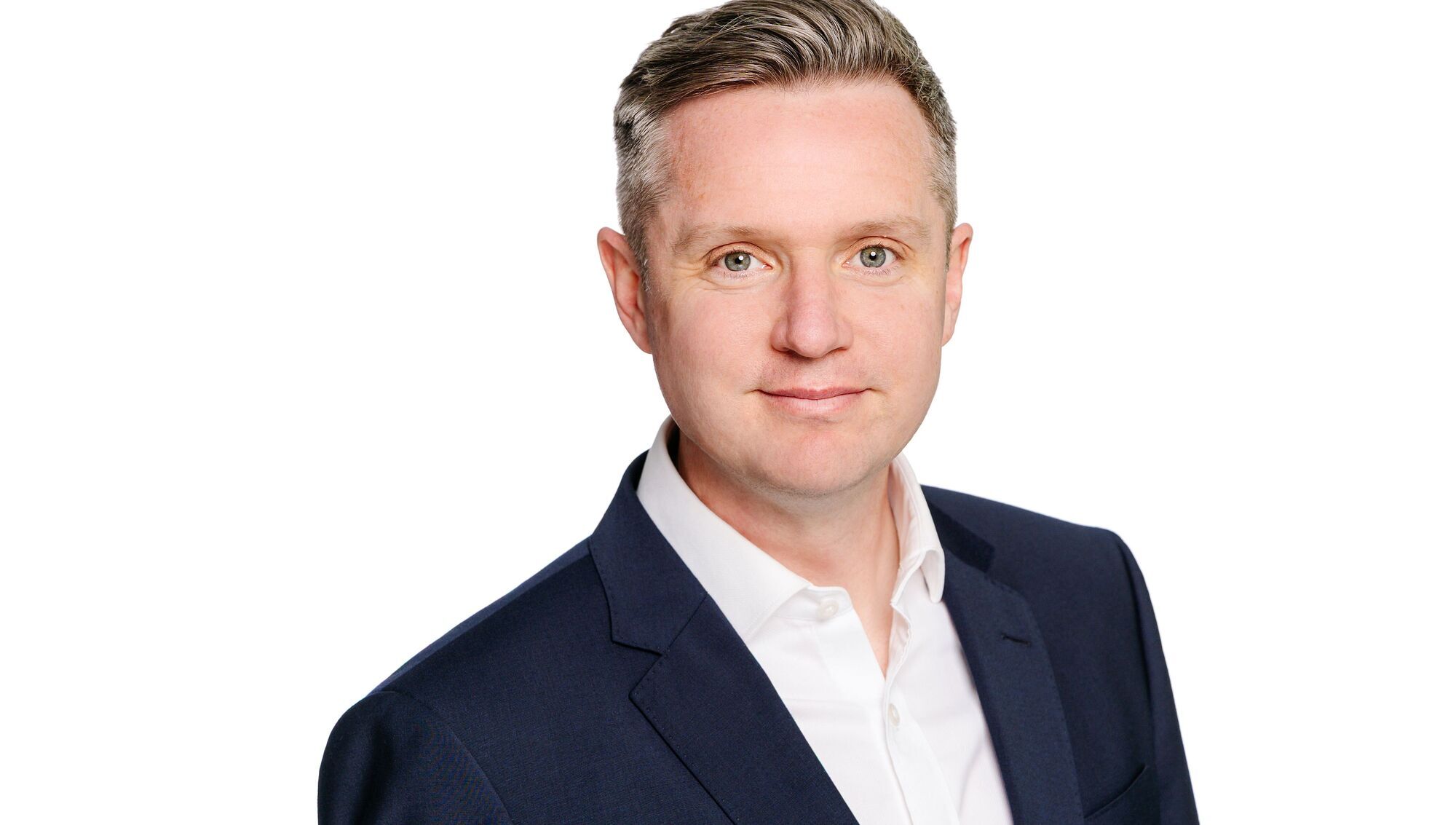
Declan Hanly, partner in restructuring and insolvency Services, Crowe Ireland.
Declan Hanly
Partner in restructuring and insolvency services, Crowe Ireland
A restructuring and insolvency expert, advising a wide range of firms on navigating financial distress, complex restructuring, recovery and special situations.
Declan Hanley assists Irish businesses adapt and plan for the future.
As a licensed insolvency practitioner with experience across liquidations, receiverships and examinerships, he has also advised business owners who are facing the difficult decision of having to wind up their business.
His work encounters the many challenges faced by Irish businesses today, including the pressure rising costs are putting on so many firms.
Borrowing costs have also increased, as have the costs of complying with various regulations.
“Many SMEs operate on very thin margins, so even relatively modest cost increases can have a significant impact on profitability and cash flow. Inflation is much more difficult for businesses to manage if costs increase in a number of areas at the same time, as has been the case of late.”
In his experience, many businesses have already used much of their financial headroom and now have limited capacity to absorb further increases.
“Passing these costs on is not always straightforward, as higher prices may reduce demand or make the business less competitive. As a result, management can become increasingly focused on protecting short-term cash flow, often at the expense of investment, recruitment and growth. We are already starting to see this happen on the ground with many SMEs.”
Read More
The overall level of corporate insolvency has been broadly stable rather than showing a dramatic increase, he explains, although the position varies between sectors. The national figures can therefore disguise the level of pressure being experienced in areas such as retail and other low-margin businesses.
"Insolvency numbers alone do not tell the full story. Many companies remain under financial strain but continue to trade through reduced margins, creditor support or additional funding from their directors.
"Looking ahead to 2027, I do not expect a dramatic surge in insolvencies across the economy, but I expect insolvencies to remain elevated in sectors where businesses have limited scope to absorb additional costs or where there is weaker consumer demand.”
While there has been a recent increase in creditors’ voluntary liquidations, he is cautious about describing it as a sustained surge.
“The number of voluntary liquidations appears closer to a return towards more normal levels following a quieter period. Directors generally consider liquidation when they conclude that the company cannot trade out of its difficulties and that further funding is unlikely to resolve the underlying problem.”
In some cases, directors and their advisers may not have sufficient awareness of the restructuring options available. “As a result, opportunities to rescue an otherwise viable business may not be explored early enough.
However, by the time specialist advice is sought, the company may have exhausted its cash and creditor support, leaving insufficient time or funding to implement a restructuring.
“Where rescue is no longer achievable, commencing an orderly liquidation can be the most responsible decision as it can prevent the firm’s position from deteriorating further and limit additional losses for directors and creditors.”
In examinership and SCARP — Small Companies Administrative Rescue Process — Ireland has effective rescue mechanisms, but they remain underused, Hanley explains. Restructuring can address unsustainable debt, leases, contracts or operational costs while preserving the underlying business, employment and enterprise value.
“A successful restructuring can also produce a better return for creditors than an immediate liquidation. Timing is critical. The earlier directors seek advice, the more restructuring options are likely to remain available. If advice is sought only when cash has been exhausted, it may no longer be possible to fund or implement a rescue.”
One of the clearest warning signs a business could be running into financial distress is when management is spending more time deciding which creditor to pay than they are on running and developing the business.
“Persistent cash-flow pressure, growing Revenue or supplier arrears and an inability to meet liabilities as they fall due should not be treated as temporary issues without proper analysis first. Other warning signs include suppliers tightening their credit terms, lenders seeking additional security, and the company becoming increasingly dependent on short-term borrowing or personal funding from directors.”
A deterioration in margins, the loss of important customers or employees and an inability to produce reliable financial information or cash-flow forecasts can also indicate deeper problems, he adds.
As to what challenges and economic conditions Irish businesses can expect in the year ahead, he says the principal challenge will be maintaining competitiveness while domestic costs remain high and international conditions continue to be uncertain.
“Labour, skills, energy, insurance and regulatory costs will continue to place particular pressure on smaller and low-margin businesses. Borrowing costs will also affect investment decisions, working-capital requirements and consumer demand, particularly for businesses already carrying significant debt.”
Wider geopolitical disruption may also affect input prices, exports and business confidence. “In that environment, businesses should examine how they would respond to lower sales, delayed customer payments, increased costs or tighter access to credit. Scenario planning should be a practical part of financial management, not something undertaken only when a crisis has already developed.”
In terms of how best to advise a business under pressure, Declan Hanley’s starting point is to establish whether the underlying business is viable, rather than simply asking whether the existing company can continue in its current form.
“I review the immediate cash position, creditor exposure, funding requirements and the reasons the business has come under pressure. The advice then needs to give management a clear sequence of actions. It should not simply describe the problem.”
Where the business is viable, the focus may be on stabilising cash flow, engaging with key stakeholders and considering operational or financial restructuring.
“Where it is not viable, I have to explain the available insolvency options and the risks of continuing to trade.”
Those conversations can be difficult, he agrees — directors may have invested years of work, personal savings and a significant part of their identity in the business.
“My role is to be direct about the financial position while remaining conscious of the personal impact on those involved. The most important message is that seeking advice early does not commit a business to a particular process. It usually increases the number of options available.”


CONNECT WITH US TODAY



Be the first to know the latest news and updates