My Job: Comfort Keepers Collette Gleeson on Ireland's changing homecare sector
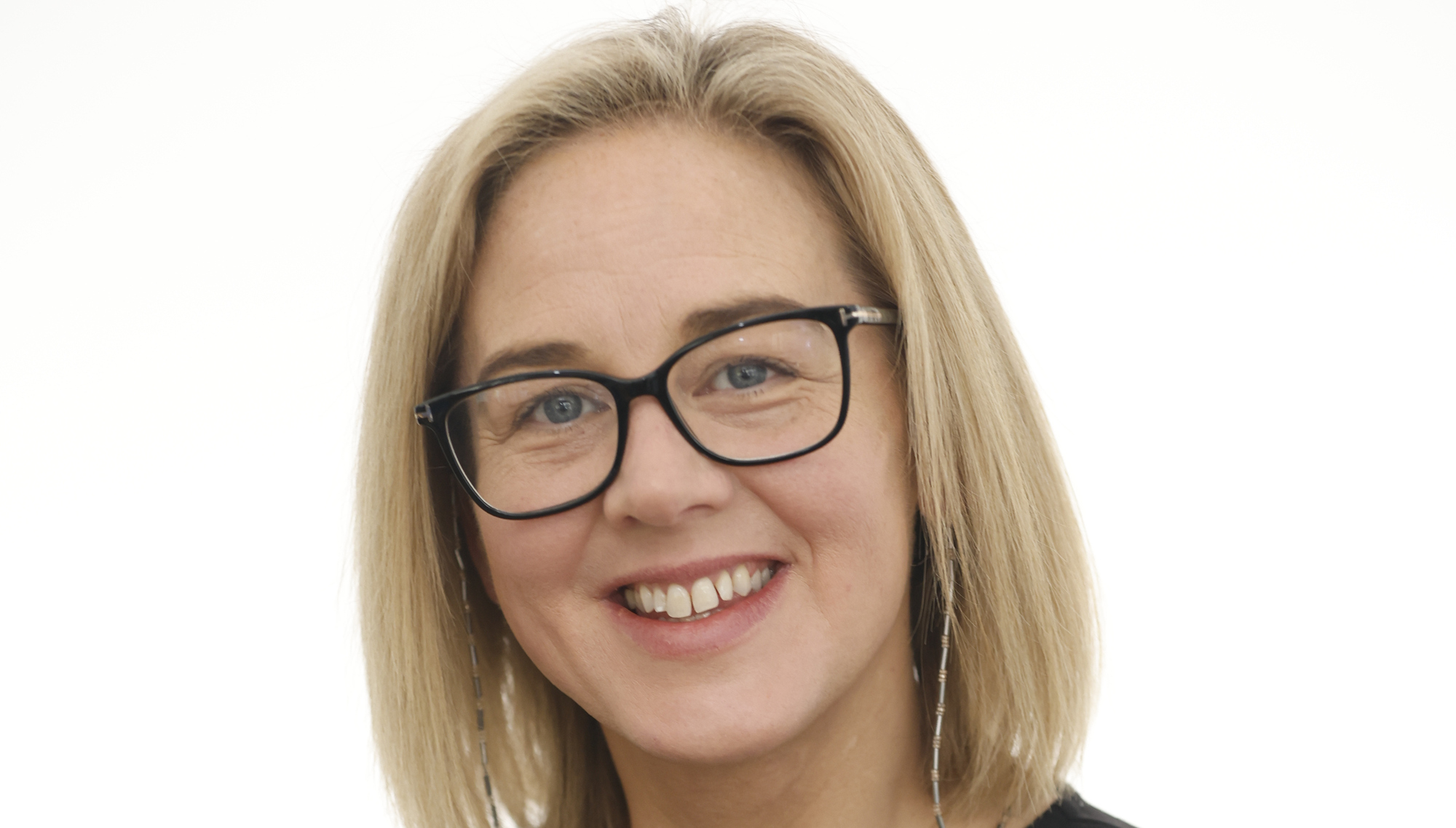
Delivering more than 1.5 million hours of care in homes across Ireland
CEO Comfort Keepers Ireland

CEO Comfort Keepers Ireland

Name: Collette Gleeson

Occupation: CEO, Comfort Keepers Ireland

Background: Providing home services across Ireland since 2005, employing 2,000 staff and supporting over 4,000 clients


Comfort keepers has been named Business All-Star All-Ireland Champion Home Care Company 2026 by the All-Ireland Business Foundation (AIBF), securing the title for the third consecutive year.

The recognition celebrates the company’s delivery of person-centred homecare services and its continued commitment to helping people live safely and independently in their own homes and communities.

Operating since 2005, the company has grown from a single Dublin office into a nationwide homecare provider supporting older people, individuals with disabilities, and those requiring additional assistance to live life on their own terms.

It employs more than 2,000 across field and office-based roles, operating through 12 centres as an approved provider of home support services for the HSE and working closely with public health teams. Collette Gleeson readily agrees that there’s no such thing as a normal working week for her — not that she would really want one.

“I’m not sure I ever have a regular week, and I’d say I probably wouldn’t like to have one. I like pace, working with people, and figuring things out. We have 2,000 staff in Comfort Keepers, supporting over 4,000 clients, delivering more than 1.5 million hours of care in homes across Ireland, so a week can move quickly from supporting a client or colleague to quality, recruitment, technology, performance, or longer-term planning.”

She witnesses up close how policy and systems translate into people’s homes and how much complexity sits between a good intention and delivering it at someone’s front door.

“I’m genuinely curious about identifying where the gaps in homecare exist, and how we can close them,” she explains. “The most rewarding part of my day is seeing the difference that care and support can make to a person or family, watching somebody grow in confidence, or seeing our teams find a way through a challenge. Our teams work hard and are connected by the same purpose. Whatever the scale, care still comes down to one person arriving at another person’s home to support them, and that is what matters most.”

Collette has over 20 years experience across the public, not-for-profit, and private sectors in hospital, home, palliative and disability services. She has dedicated her professional life to providing person-centred, ethical, technological, and strategic services through the lens of quality and value-based people leadership.

“Demand for our services is growing, we know people overwhelmingly want to remain at home and connected to their communities as they age, and our own research shows two in three would prefer to adapt how they live rather than move into residential care.

“The more interesting change is how home, and community care itself is evolving. We still tend to hear ‘homecare’ and think only of older people. Supporting people to age well at home is a major part of our work, but a meaningful and growing share of what we do is already in disability, mental health, and children’s services.”

Comfort Keepers also support people living with dementia, those receiving palliative care, families needing respite, and people recovering from illness. “Homecare has an important role within the wider health and social care system, and I think we will continue to see that role grow as more people are supported to live well at home.”

Finding staff is a challenge, similar to many other sectors — and is more complicated than simply needing more people, she explains: “Everyone working with our clients must meet rigorous recruitment, including robust vetting and training standards. That is the baseline. Then there is the human side. Two excellent carers may connect very differently with the same client. One person may love somebody lively and chatty; another may want the opposite. We can standardise quality, but we cannot and do not want to standardise human connection.”

Comfort Keepers work to ensure that terms and conditions reflect the importance of the role of healthcare assistants and home support workers, while also providing opportunities to advance their skills, build their knowledge, and develop their existing expertise.

“This helps ensure that the people delivering care are also part of shaping the future of our services. The experience of the person receiving care and the person delivering it are closely connected. We ask clients, ‘what matters to you?’. We also need to ask our teams what they need to do their work well, what is getting in the way and where they need support.”

Given the requirements of this specialised kind of work, staff training is a constant at every level.

“Absolutely, and it becomes even more important as we broaden what can safely be delivered at home.”

A child with additional needs, a person living with dementia, and somebody receiving palliative care may all need very different supports.

“We cannot group people by age and/or condition they are experiencing and assume that tells us what is needed.”

Being person-centred is not just about being kind, she says: “Kindness matters enormously, but we also must know what we are doing.”

That means qualifications and technical skills, but also observation and judgement like noticing when something has changed, understanding why it matters and knowing what to do next.

“Learning is part of all our roles so that we can navigate change, put best practice in place, and deliver better outcomes for everyone.”

The next decade will be very important for home and community care in Ireland, Collete predicts.

“The new statutory framework for home-support providers is very welcome, and it is a real step forward. Strong standards, governance, and safeguards matter, and we need to keep asking simple questions: is this making somebody safer, improving their experience, strengthening the workforce, and producing better outcomes? Beyond that, if we are serious about care closer to home, we also have to think about the wider infrastructure that makes it possible.”

Housing affects where staff can live and whether people can live independently. Transport determines whether care can reach someone in an isolated area. “Employment supports, education and training all shape what is possible. Those decisions may sit in different government departments, but they all arrive at the same front door eventually.”

Having dedicated much of her career across public, not-for-profit and private sectors in hospital, home, palliative and disability services, Collette agrees that the work delivers a tremendous sense of satisfaction.

“It certainly does. I have been very lucky in the range of work I have had the opportunity to do and the people I have met and learned from along the way. My experience has also given me different perspectives on care and on what helps people do their best work.”

Having worked across multiple settings, she saw capable people spend a huge amount of energy working around systems that made good work harder than it needed to be.

“That is probably why I am so interested in how organisations work, what helps people be at their best and what gets in the way. I like to think I’m patient. I give people space to think, hear different views and, understanding what we are dealing with matters to me. Where I become impatient is standing still once we have found a way forward. Once we know enough to act, I like to create some energy and get on with getting it done.”

x

More in this section

The Business Hub

Newsletter

News and analysis on business, money and jobs from Munster and beyond by our expert team of business writers.

Cookie Policy Privacy Policy Brand Safety FAQ Help Contact Us Terms and Conditions

© Examiner Echo Group Limited