Manufacturing expands in August on the back of strong new orders
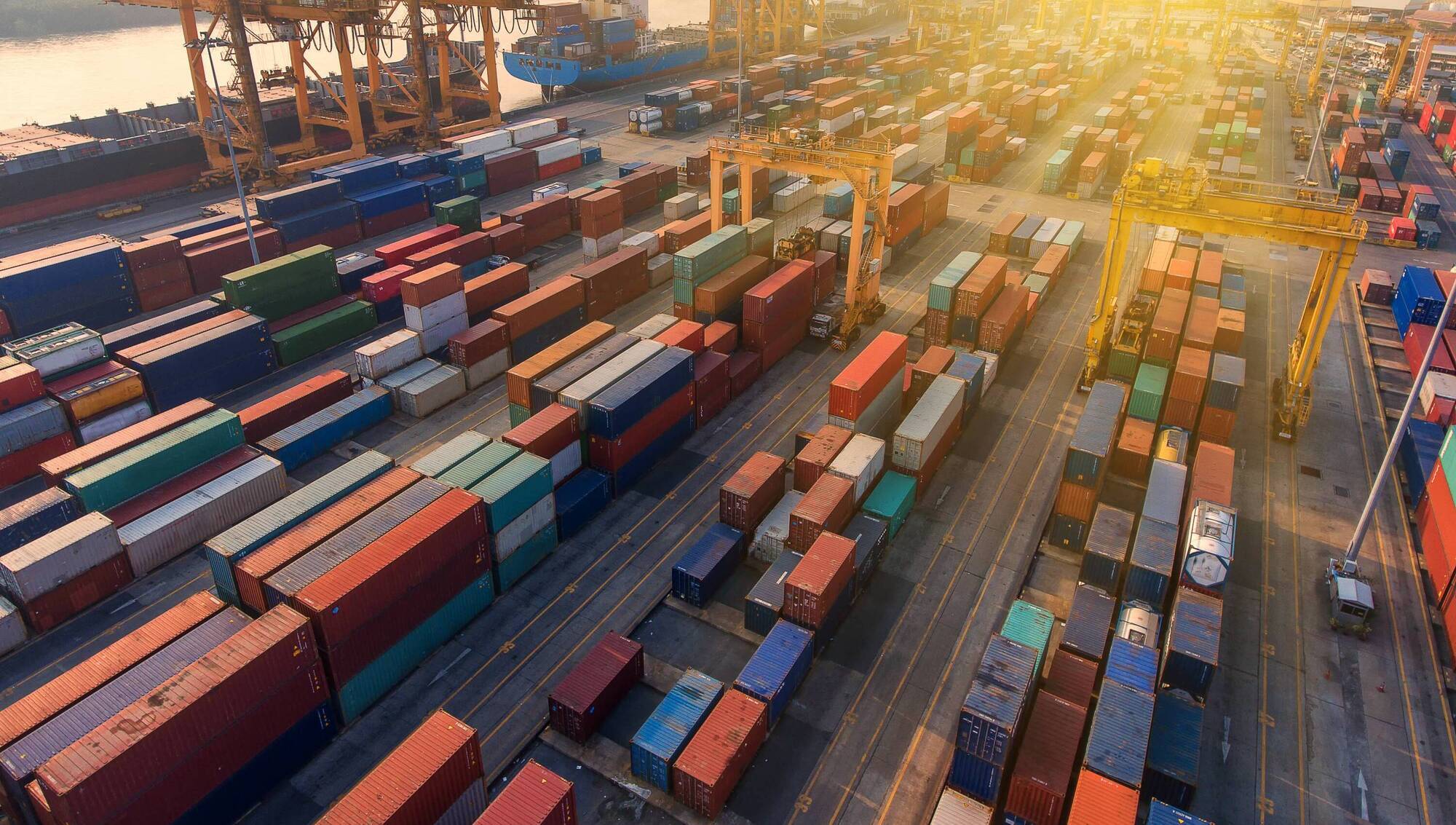
Export orders remained muted in August due to geopolitical uncertainty.
A strong influx of new orders supported a “marked and accelerated increase in manufacturing production” last month, with employment and purchasing activity also expanding, the latest AIB Manufacturing Purchasing Managers Index (PMI) shows.
The PMI recorded a reading of 55.4 in August, up from 55.1 in July. Any figure greater than 50.0 indicates overall improvement of the sector.
The Irish manufacturing PMI remains above the flash readings for the eurozone, UK and US, at 52.8, 51.5 and 53.2, respectively.
Chief economist at AIB David McNamara said output rose strongly last month, increasing at the highest level since April 2025, with firms also citing continued “robust order books”.
“This was also evidenced by the fastest rise in new orders since April 2022; but export orders growth remained muted, as firms reported some headwinds from geopolitical uncertainty,” he said.
The PMI said expectations current increases in new orders and output would be sustained over the year ahead “supported greater confidence in the 12-month outlook for production”.
Sentiment rose to the highest since January, as just under half of all respondents expressed optimism.
Increasing workloads led manufacturers to increase staffing levels in August, extending the current sequence of job creation which began in December 2024.
Read More
However, the latest increase was much weaker than that seen in July, when jobs growth was the strongest since mid-2022, but “still solid”.
While firms continued to raise staffing levels, delays in receiving necessary raw materials led to an increase in backlogs of work during August.
Firms reported “severe supply-chain disruptions” during the month. Some cited transportation delays directly linked to the war in the Middle East while others reported general capacity constraints in supply chains.
The latest lengthening of lead times was only slightly less pronounced than that seen in July.
Alongside supply-chain disruption, manufacturers continued to face sharply rising input costs in August.
The rate of input price inflation ticked up from July and remained well above the levels seen prior to the outbreak of war in the Middle East. Firms reported higher prices for energy, fuel and oil, as well as rising raw material costs.
On input inflation, Mr McNamara said it remained well below the four-year peak in May, however, higher input price inflation was mainly linked to the impact of the Middle East conflict.
“With demand still robust, many firms were able to increase selling prices and protect margins, but output price inflation eased to a five-month low,” he said.
In terms of firms’ outlook for the year ahead, the PMI recorded an increase in optimism for the second month in a row, and the highest since January.
Mr McNamara said half of the firms surveyed predicted an increase in output over the next year, while only 7% forecast a reduction.
CONNECT WITH US TODAY



Be the first to know the latest news and updates