Construction sector sees strong recovery, with growth across all areas
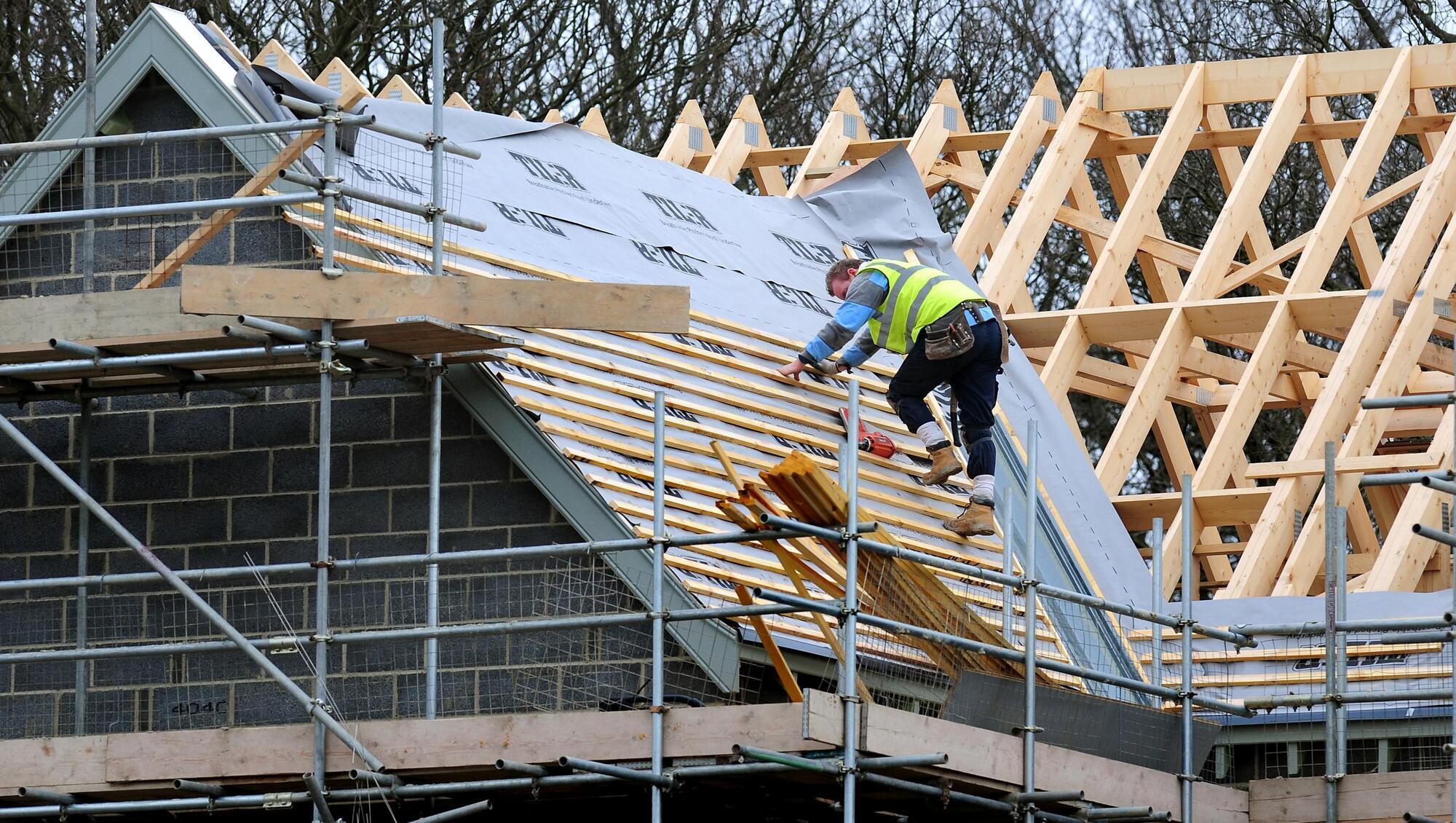
Residential and civil engineering construction activity recorded modest gains, while commercial development activity saw the largest increase compared to June.
The construction sector saw significant recovery in July, with all three construction categories seeing positive gains, and commercial development leading the way, the latest Purchasing Managers Index (PMI) shows.
The PMI had a reading of 53.0 in July — a share rebound from the 45.4 recorded in June pointing to a solid monthly rise in total output. For the PMI, any figure above 50 denotes growth in the sector.
Activity has now risen in four of the past six months, and for the first time in 15 months, all three monitored categories of construction saw activity increase in July.
AIB senior economist John Fahey said the sectoral breakdown showed the improvement in July was “broad-based”.
“It was the first time since April of last year that all three sub0sectors registered growth. The best performing of the three and main driver of the expansion was commercial,” he said.
Commercial construction returned to growth in July after recording its first contraction in five months in June.
In the residential sector, activity levels in the residential sector expanded for the first time since March, but Mr Fahey said the rate of growth was “modest”.
Read More
The civil engineering construction sector recorded its first month of growth since April 2025.
According to the PMI, where activity rose, companies surveyed often linked this to improved customer demand, and this was also evident with regards to new orders, which increased following a marked fall in June.
The rate of expansion was only slight, however, amid reports of a scarcity of tender opportunities.
"There were also encouraging developments in some of the other key measures of the July survey,” said Mr Fahey.
“The sector continued to add jobs, with employment levels rising for a ninth month in a row and at a slightly quicker pace compared to June,” he said.
In addition to the rise in employment, construction firms also expanded their use of sub-contractors during the month, and at the joint-fastest pace in almost three-and-a-half years As a result, the availability of sub-contractors decreased markedly. Sub-contractor rates rose to the least extent since February 2025.
Purchasing activity was stable following a fall in June. The PMI said while some firms increased input buying in response to higher new orders, others indicated their holdings of materials were sufficient to support current requirements.
The new orders index, which the PMI said was a “leading indicator for the sector”, returned to growth after contracting the previous month.
Construction firms' confidence on the prospect of increasing activity levels over the next 12 months strengthened for a third successive report.
Mr Fahey said this increase was in part due to the “optimism that the improvement in new orders would be sustained”.
Business sentiment was at a four-month high during July, but still below the level seen prior to the outbreak of war in the Middle East.