GLP-1 craze fuels protein-powder maker Glanbia’s share rally
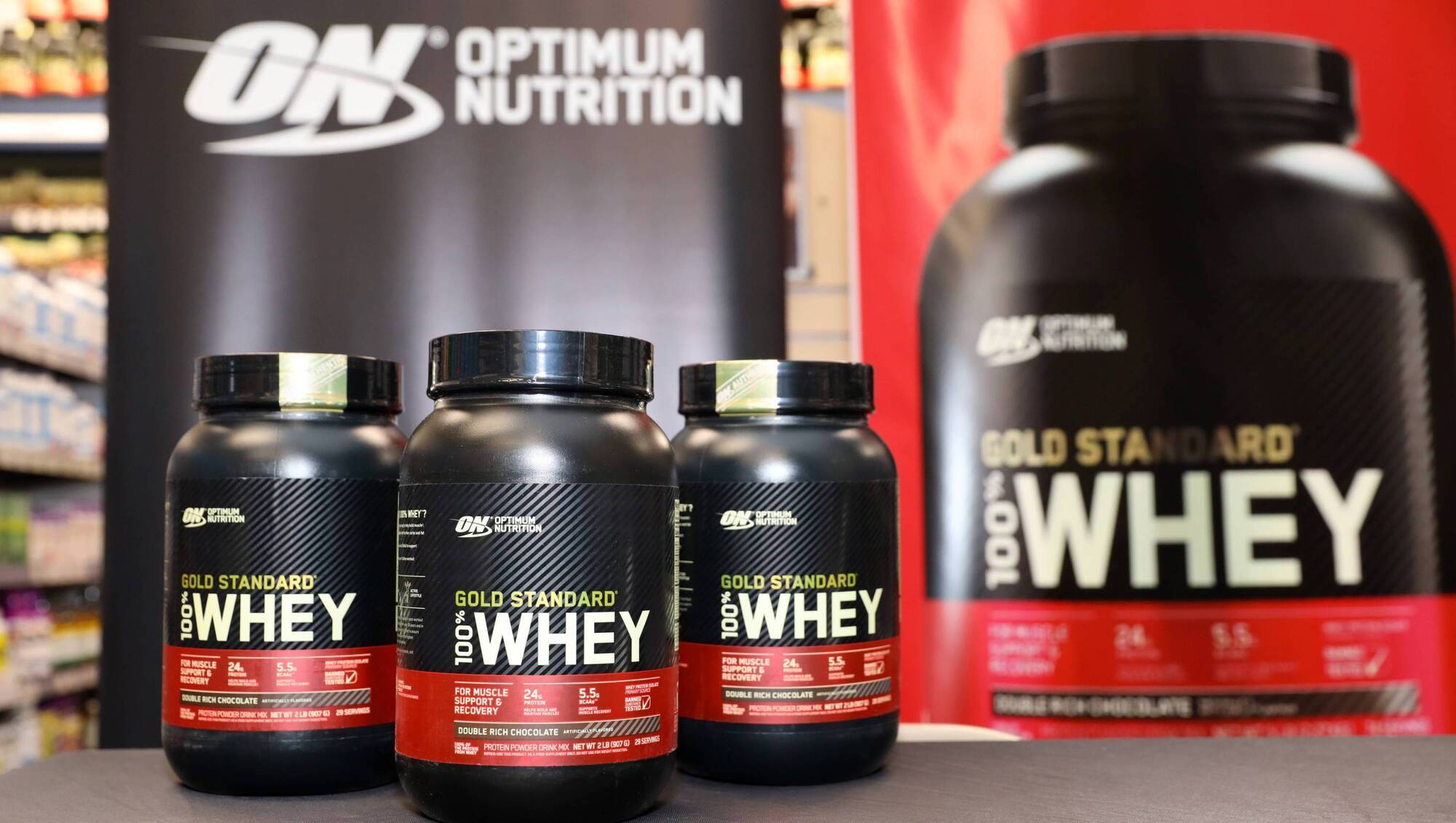
Consumer demand for protein products beyond meat and dairy has exploded in recent years, fueled by health and wellness trends.
The boom in GLP-1 weight-loss drugs is boosting demand for protein supplements and driving a rally in the stock of Glanbia, a maker of nutrition products popular with gym enthusiasts and athletes.
Shares in the Irish company, which owns the Optimum Nutrition brand, have more than doubled in a little over a year. The stock is the biggest gainer in the Stoxx 600’s food, beverage and tobacco subgroup so far in 2026 and trading near its record high.
The growing appeal of quick, concentrated and affordable protein has benefited Kilkenny-based Glanbia as a market leader in nutritional supplements. Barclays Plc analysts estimate that the global protein market has already reached approximately €1.5 trillion, and that demand could rise by 37% over the next five years.
Glanbia’s growth has been driven by its “exposure to the protein megatrend that has been increasingly recognised and rewarded by investors,” Barclays analyst Alex Sloane said. “It’s a rare example of a company in the food or ingredients space that has been a beneficiary rather than a victim of rising GLP-1 penetration,” he added.
The market for Glanbia’s products received a boost after doctors advised GLP-1 drug users to add to their protein intake to counter a potential drop in muscle mass as the drugs suppress appetite.
A Glanbia spokesperson said protein intake is a priority for many GLP-1 users during weight loss and that this is an “attractive and growing consumer audience” it views as a tailwind for the category and its business.
More broadly, consumer demand for protein products beyond meat and dairy has exploded in recent years, fueled by health and wellness trends.
Initial investor hype was centred around ready-to-drink protein products, which benefited the shares of US nutrition company BellRing Brands Inc. The picture changed last year when cost-of-living pressures and demand for more concentrated forms of protein made consumers more receptive to powders.
“When households and consumers had more money, they were prepared to pay for the convenience of a bar or shake,” said Jeneiv Shah, a portfolio manager at Sarasin & Partners LLP. Consumers are now searching for better value, he added. “I think that’s one of the reasons Glanbia has done quite well.”
Analysts said Glanbia has adapted its strategy to track changing habits, offloading some non-powder brands, while making moves to expand its consumer base. It has run campaigns featuring Formula One World Champion Lando Norris, among other elite sports figures, to boost engagement. Its Isopure brand has targeted women, with promotions and advertisements on TikTok highlighting its lack of artificial ingredients.
A major concern for Glanbia and its peers is the higher cost of whey. The cheese-making byproduct is a key ingredient in protein-boosted shakes and other items, and insatiable demand is making it increasingly costly.
Berenberg analysts last month cited GNC Holdings LLC Chief Executive Officer Michael Costello as warning that although protein powder demand has remained resilient, further price increases due to elevated whey costs could cause that to deteriorate. GNC is a key retail and wholesale partner for Glanbia, the Berenberg analysts said.
Glanbia said managing whey input costs is not a new dynamic and that it has “a strong playbook in place for managing this volatility.” The company has “substantially procured” for the year and continues to expect new supply to come on stream.
The run-up in Glanbia shares has made the stock pricier too. It trades at about 16.4 times expected earnings, which is a roughly 10% premium to the Stoxx 600’s food, beverage and tobacco subgroup, as well as 35% more expensive than its own average valuation over the past five years.
Glanbia’s largest shareholder, Tirlán Co-Operative Society Ltd., sold about 12 million shares after the stock hit its latest all-time high on June 11. Tirlán owns a stake of about 13.2% following the sale.
Analysts remain positive on Glanbia’s sales growth outlook, as GLP-1 drug use expands and consumers increasingly turn health-conscious. Among analysts tracked by Bloomberg, six have a buy rating on the stock while three have a hold recommendation. None say sell.
Beyond the GLP-1 trend, protein use indicators remain positive. For Barclays’ Sloane, recent US government guidance to increase daily protein intake underlines this. “That was indicative of what people are seeing as a structural shift to higher protein,” he said. “This isn’t just a fad.”
Bloomberg

CONNECT WITH US TODAY



Be the first to know the latest news and updates