Lilly boosts guidance on strong demand for obesity drugs
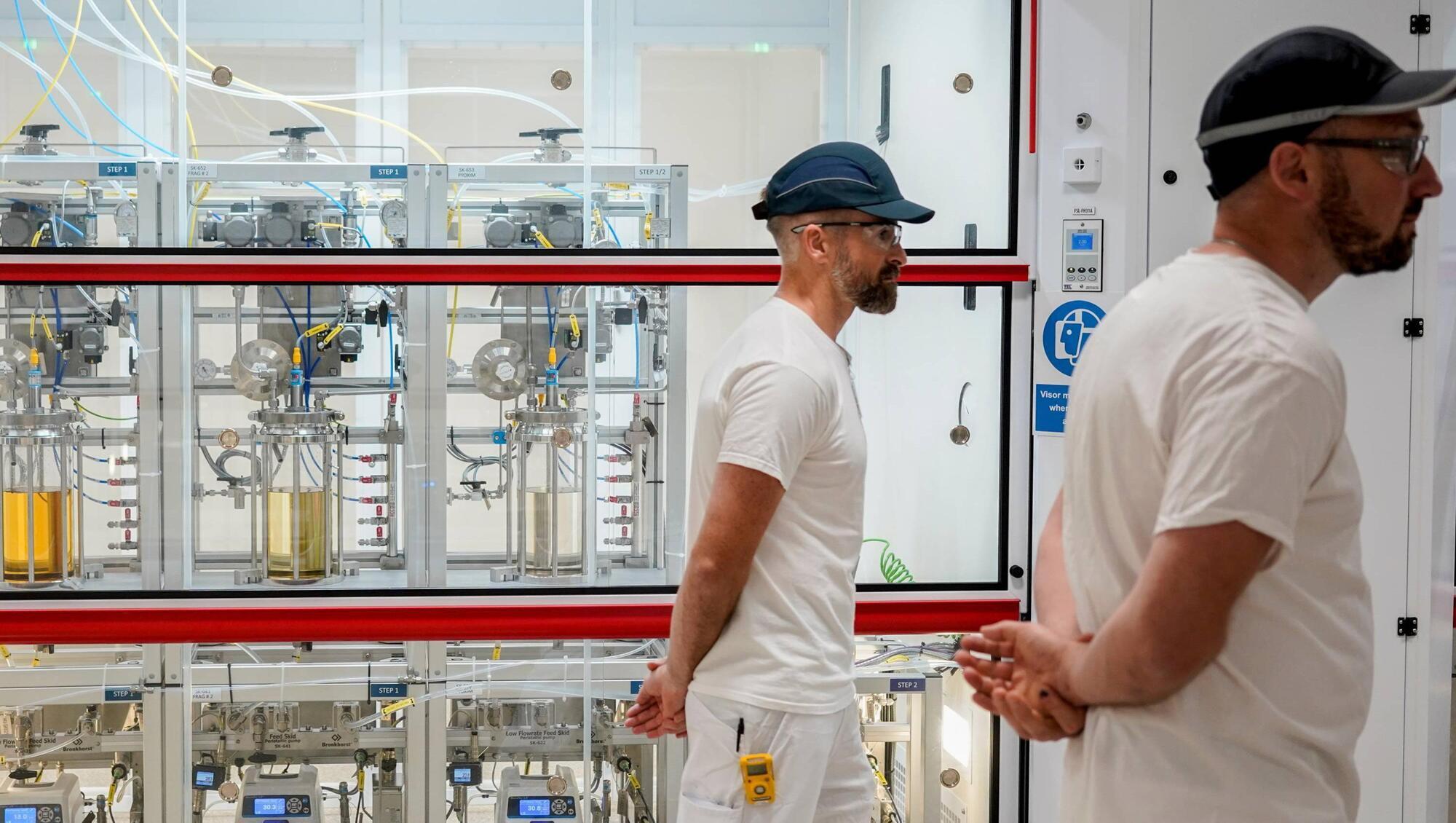
The Eli Lilly manufacturing plant in Kinsale. Photographer: Paulo Nunes dos Santos/Bloomberg
Eli Lilly raised its 2026 sales guidance after it reported far stronger second-quarter demand than analysts expected for its weight-loss and diabetes drugs.
Sales for the year will be $85bn (€73.6bn) to $87bn (€75.3bn), Lilly said on Wednesday, compared with its earlier forecast of $82bn to $85bn. Its second-quarter adjusted earnings and revenue beat Wall Street estimates.
Mounjaro, the company’s diabetes medicine, surpassed all estimates in the period as access to the drug has increased around the world. Global revenue for Mounjaro soared 91% in the second quarter. Its weight-loss drug Zepbound also beat Wall Street estimates while its new obesity pill Foundayo got off to a strong start.
Wall Street has been closely tracking Foundayo’s launch since it was approved in April. The results come right after rival Novo Nordisk A/S underwhelmed investors with the performance of its rival weight-loss pill, which it launched before Foundayo. The two companies are facing off in a high-stakes battle for the obesity market, which is expected to balloon to $120bn by the end of the decade.
Lilly stock gained 5.7% in early trading in New York. The drugmaker’s shares have gained 3.8% this year through Tuesday’s close.
Lilly’s positive outlook could help allay concerns that the weight-loss drug boom is beginning to slow as employers and insurers pull back on coverage due to rising costs. The unit of Cigna Group that manages drug plans for employers has noted coverage declines and slower utilisation growth compared to prior periods.
Those comments underscore a growing challenge for Lilly and Novo: health plans are making obesity treatments harder to get, or dropping coverage altogether. That’s extended to Medicaid, the government health plan for low-income Americans. Only 13 states currently cover obesity drugs, with some of the largest, including California, recently stopping coverage due to costs.
At the same time, millions of older adults now have access to the drugs through Medicare, which was historically barred from covering them. The move by the Trump administration is expected to boost sales for Lilly and Novo.
In the meantime, both drugmakers have been working to find creative solutions to the access hurdles. They have offered steep discounts to patients who pay out of pocket, which has become an increasingly popular option. Lilly also has a newer program for certain employers that allows them to access the drugs at lower prices.
Beyond weight loss, Lilly recently agreed to buy psychedelics-maker AtaiBeckley Inc. for as much as $3.8bn, underscoring growing interest from large drugmakers in the once-fringe area of medicine. The deal deepens Lilly’s longstanding presence in neuroscience, an area where the company helped transform the treatment of depression with Prozac three decades ago.
These kinds of deals are key to Chief Executive Officer Dave Ricks’ plan to sustain Lilly’s momentum into the next decade and beyond. Ricks has been furiously reinvesting the weight-loss windfall in Lilly’s internal pipeline and has been deploying its balance sheet to fund a record number of acquisitions. Those deals have brought Lilly into new fields and reinvigorated efforts in areas such as infectious diseases.

CONNECT WITH US TODAY



Be the first to know the latest news and updates