Home construction activity falls again in May
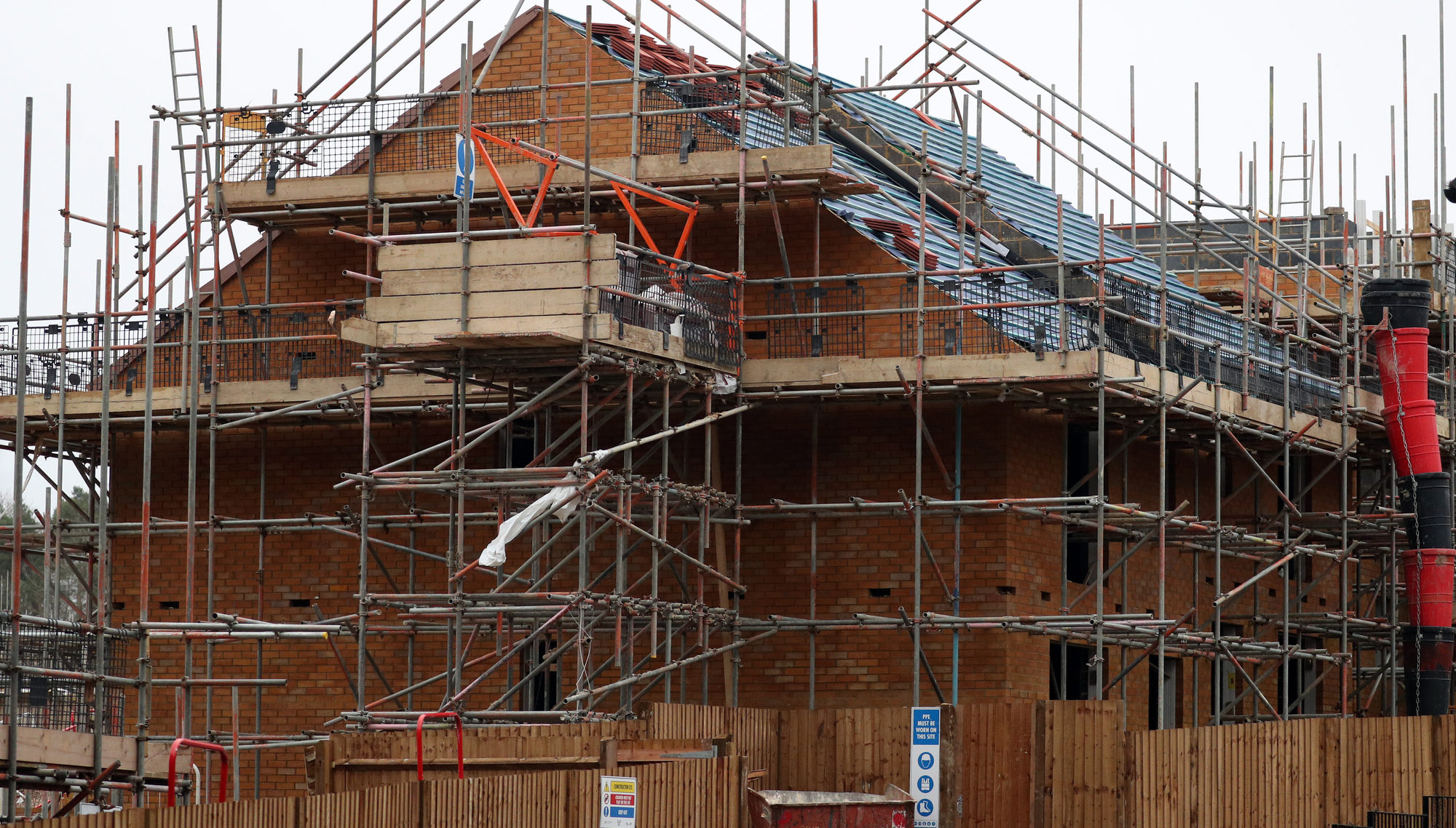
Housing activity declined for a second successive month, and at a sharper rate than in April.
Residential construction activity declined for a second month in a row during May, and at the fastest rate since October last year, with commercial activity driving marginal growth in the sector, the latest AIB Purchasing Managers Index (PMI) shows.
The PMI reading for May stood at 50.2, up from the 47.1 recorded in April, but this is still only a small amount of growth in the sector. Any figure above 50 denotes growth in the sector.
Senior economist at AIB John Fahey said May’s PMI indicates the sector continued to face challenges recording only a marginal growth during the month.
Read More
Mr Fahey said the commercial construction sub-sectors remained the best performing of the three sub-sectors, with activity increasing for the fourth consecutive month, and at the fastest pace since March 2022.
“In contrast, housing activity declined for a second successive month, and at a sharper rate than in April,” he said.
The PMI noted although house selling prices continued to increase sharply midway through the second quarter, “the rate of inflation softened for the second successive month and was the weakest in the year-to-date”.
“Similarly, charges for work on apartments rose at a slightly slower pace in May, but one that was still substantial overall.”
Charges for work on commercial property also increased at a “marked but softer rate” in May.
The sharpest pace of inflation was seen in retail, with the slowest for offices.
Civil engineering retained its position as the weakest performing of the three, with activity in the sector falling for the 13th month in a row. This latest fall was marked and the sharpest since last November.
The PMI found new orders grew during the months, recovering from a fall in April. Higher new orders encouraged firms to expand staffing levels for a seventh month running, and at a solid pace in May.
“Anecdotal evidence suggested that the increase in construction activity in May reflected an improvement in customer demand and greater workloads. As such, firms recorded a renewed rise in new orders, following a first fall in five months during April,” the PMI said.
Irish construction companies increased their staffing levels again in May, the seventh month running in which this has been the case. Firms also expanded their usage of sub-contractors again in May, while their availability deteriorated and the rates they charged increased at the fastest pace since July 2022.
However, Mr Fahey warned the war in the Middle East, and the subsequent spike in fuel prices, had led to “another sharp rise in firms’ input costs”.
“Indeed, input price inflation eased only slightly from the near four-year high seen in April.”
The PMI also said companies continued to face substantial delays to suppliers' delivery times. Stock shortages at suppliers were often mentioned by respondents.
In terms of the business outlook, the PMI found there were expectations of further improvements in new orders over the coming months, supported optimism in the year-ahead outlook for construction activity.
Some firms also suggested an end to the war in the Middle East would help lead to an improvement in business conditions.
Mr Fahey said “business expectations rebounded from April’s 41-month low, although the degree of optimism remained relatively subdued”.


CONNECT WITH US TODAY



Be the first to know the latest news and updates