Surging costs leave small firms facing 'deeply alarming' liquidity crunch, warns report
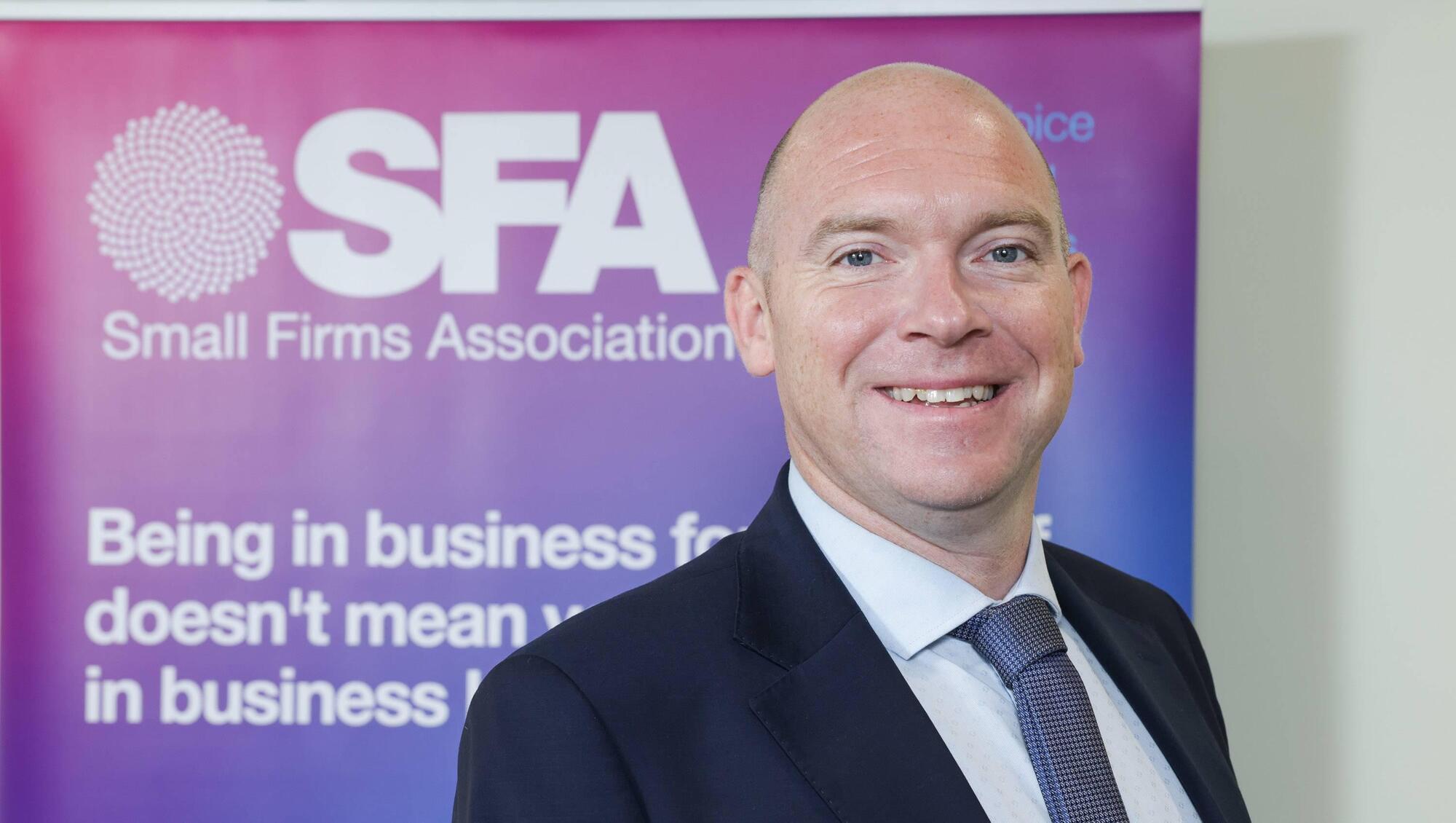
Director of the Small Firms Association David Broderick. Small businesses in Ireland have seen their expenses increase by 44.4% over the last three years, the Small Firms Association (SFA) has said citing data from a new survey.
Between rising labour costs, energy costs, and higher prices for raw materials, small businesses in Ireland have seen their expenses increase by 44.4% over the last three years, the Small Firms Association (SFA) has said citing data from a new survey.
According to the survey, 77% of firms have experienced cost increases in the past 12 months, up from 49% in 2025. In the last 12 months alone, firms said that costs have risen by 10.9%.
The top contributors to the rising costs include employee and labour costs, energy costs, insurance costs, raw material costs, fuel, as well as rent/mortgages.
For the 50% of firms who cited employee costs as a top contributor to rising expenses, 32% reported wage bill increases between 6% and 10%, while 15% faced wage bill hikes between 11% and 15%.
“Statutory pressures such as sick pay and payroll taxes increased by up to 5% for roughly half of the businesses surveyed,” the SFA said.
In response to energy price increases, which were cited by 44% as a top contributor to rising expenses, 50% of firms said they are actively reviewing their spending plans, 23% are pausing capital investment, and 15% have already put a hiring freeze in place.
SFA director David Broderick said the survey shows that “almost all small businesses are operating in a high-cost environment in recent years” which for many is “not sustainable”.
“It is deeply alarming to see that nearly half of the businesses surveyed could run out of liquidity within the next three months without additional funding. This comes at a time when small firms are finding it difficult to access the short-term finance they need to maintain working capital and manage day-to-day cash flow,” he said.
The survey found that 74% of small firms attempting to access short-term finance describe the process as either "quite difficult" or "very difficult". In addition, one in five businesses stated that borrowing costs are too high.
Mr Broderick said many of the additional costs are imposed by the State including increases to the national minimum wage, increased water tariffs, as well as the introduction of the auto-enrolment pension scheme.
“Government must take decisive policy action to mitigate these spiralling overheads. Small business owners are crying out for targeted reliefs - such as a PRSI rebate and implementing a freeze on commercial rates, to name a few, before viable, community-based enterprises are forced to close their doors permanently,” he said.
The survey also found that 90% of small firms believe that there should be Government intervention in the form of an expansion of Vat reductions, a freeze on minimum wage increases, state support for utility bills, and PRSI rebates for small businesses.
The survey was conducted on behalf of the SFA by Amárach Research involving 404 owners, founders, chief executives, and managing directors of small Irish firms employing between one and 50 people.


CONNECT WITH US TODAY



Be the first to know the latest news and updates