Oil market chaos set to deepen as more gulf giants cut their output
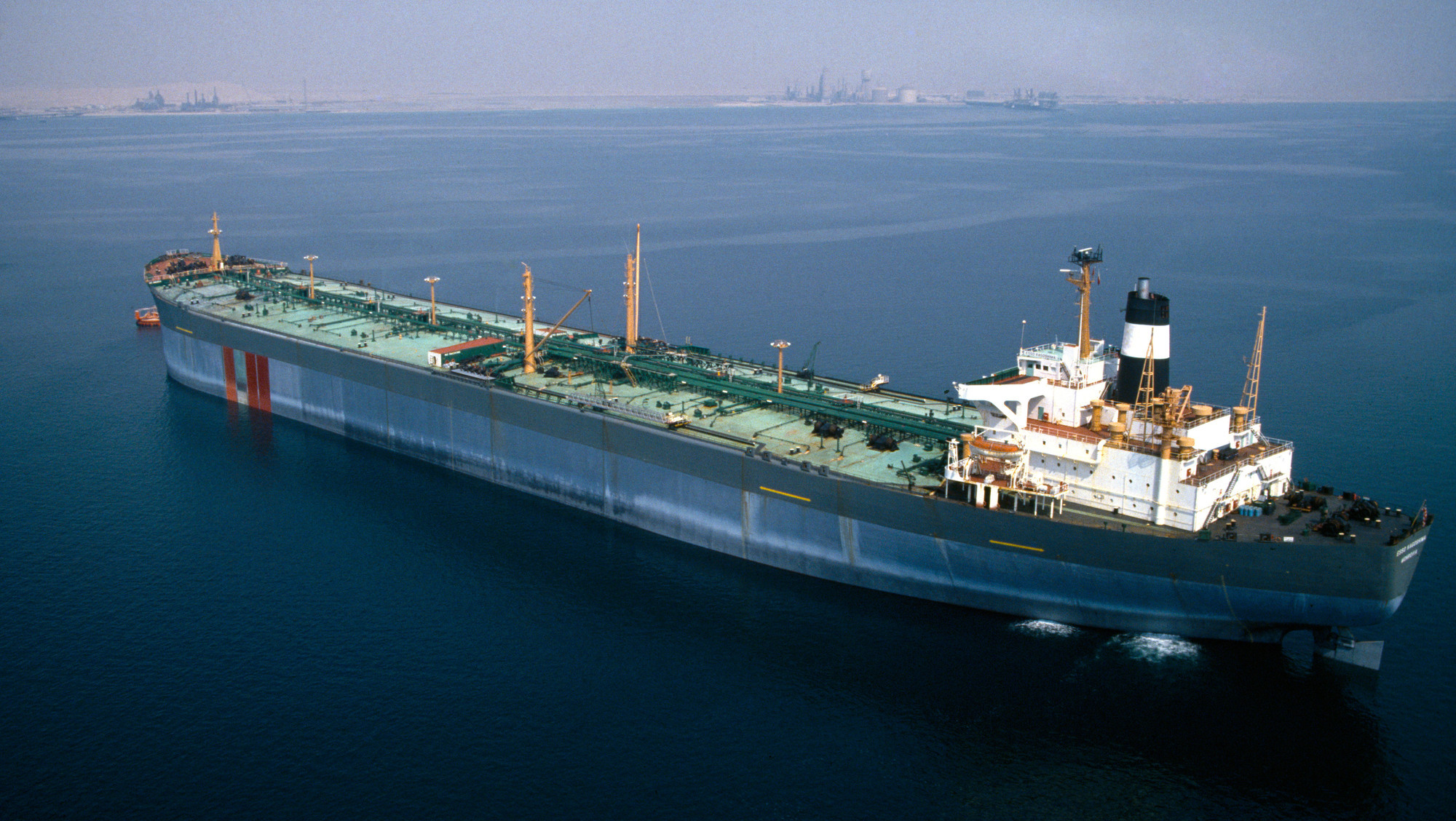
The United Arab Emirates and Kuwait have already started reducing oil production as storage runs down, joining Iraq. File picture
The chaos that has gripped the oil market looks set to deepen in the coming days, with more production being shut off as the war in Iran keeps the Strait of Hormuz closed to tankers, and the US considers widening its range of targets in the country.
The United Arab Emirates and Kuwait have already started reducing oil production as storage runs down, joining Iraq. Others may be forced to follow, as oil tankers continue avoiding the narrow waterway, rapidly reducing the number of empty ones available for loading. Once all the tankers are loaded, the region’s remaining on-land storage will fill even quicker.
The upheaval, now in its ninth day, shows no sign of imminent resolution, meaning a strip of water that normally handles a fifth of the world’s oil is impassable for commercial ships.
About a third of the region’s production can theoretically bypass Hormuz, with Saudi Arabia already diverting huge amounts of crude to its Red Sea coast for export.
Iran has vowed not to back down in the face of US and Israeli strikes that began on February 28.
US president Donald Trump responded on Saturday by saying the US would now consider targeting areas and groups of people in Iran that were not previously aimed for. The attacks will continue “until they surrender or, more likely, completely collapse”, he said in a social media post.
For oil analysts, executives, and traders, that has meant ever-louder warnings that the war is bringing crude to a tipping point and closer to the psychological $100-a-barrel threshold.
Brent already climbed 30% last week — its biggest jump in six years — putting it just dollars from that mark.
Other markers tied closely to the region have already soared through that level.
Futures tied to Abu Dhabi’s flagship Murban crude closed at $103 (€92) a barrel on Friday, while Oman crude futures were at $107. Chinese crude oil futures on the Shanghai International Energy Exchange ended, in US dollar terms, at $109.
There are growing threats to oil infrastructure, raising the risk of disruptions that could outlast attacks in the area. Saudi Arabia intercepted drones that were heading toward the 1m-barrel-a-day Shaybah oil field over the weekend. Strikes in Bahrain and Qatar have also continued.
There is also the continued blockage of the Strait of Hormuz. Over the past days, only Iran-linked tankers and two bulk carriers, which claimed to be Chinese-owned, have been seen transiting.
The US has promised to bolster financial protection, potentially provide military escorts, and announced on Friday that it would roll out maritime reinsurance for the Persian Gulf region.
The facility will cover losses up to about $20bn “on a rolling basis”, according to a statement.
For shipowners and charterers operating in the region, the cost of insurance is not the major concern holding up traffic. They worry about the safety of vessels and crew, and say they would need full naval escort.
Other US moves to dampen oil price increases include allowing India to access Russian oil currently held in floating storage in the region. Washington has floated tapping its strategic petroleum reserve or even intervening in futures markets. Officials have downplayed these ideas, while Mr Trump has brushed off inflationary worries even as US gasoline prices spike.
“This is an excursion,” he said on Saturday.
“We figured oil prices would go up, which they will, they’ll also come down, they’ll come down very fast.”
- Bloomberg

CONNECT WITH US TODAY



Be the first to know the latest news and updates