Eurozone grows slightly as Germany dodges recession

The eurozone's biggest worries have centred on Germany, whose manufacturing sector is grappling with a loss of competitiveness that executives blame on high energy costs, excessive regulation, and shortages of skilled staff.
The euro area’s economy expanded more strongly than expected between July and September with even Germany avoiding the recession it was widely tipped to endure.
Growth in the 20-nation currency bloc quickened to 0.4%, while economists had predicted it would hold steady at 0.2%, as momentum in France accelerated and stayed strong in Spain. Germany’s surprise 0.2% increase in gross domestic product caught analysts off guard, though the reading for the previous three months was revised down sharply.
The weak point was Italy, where output was unexpectedly flat, driven by a negative contribution from net trade.
On the inflation front, separate data from Spain showed consumer-price gains accelerating a touch to 1.8% but remaining inside the European Central Bank’s (ECB) 2% target.
German figures are likely to also show an uptick when they are released among the eurozone-wide data release scheduled for Thursday.
Wednesday’s data may ease some of the concerns about Europe’s economy that were on display last week when finance officials gathered in Washington for the International Monetary Fund’s meetings.
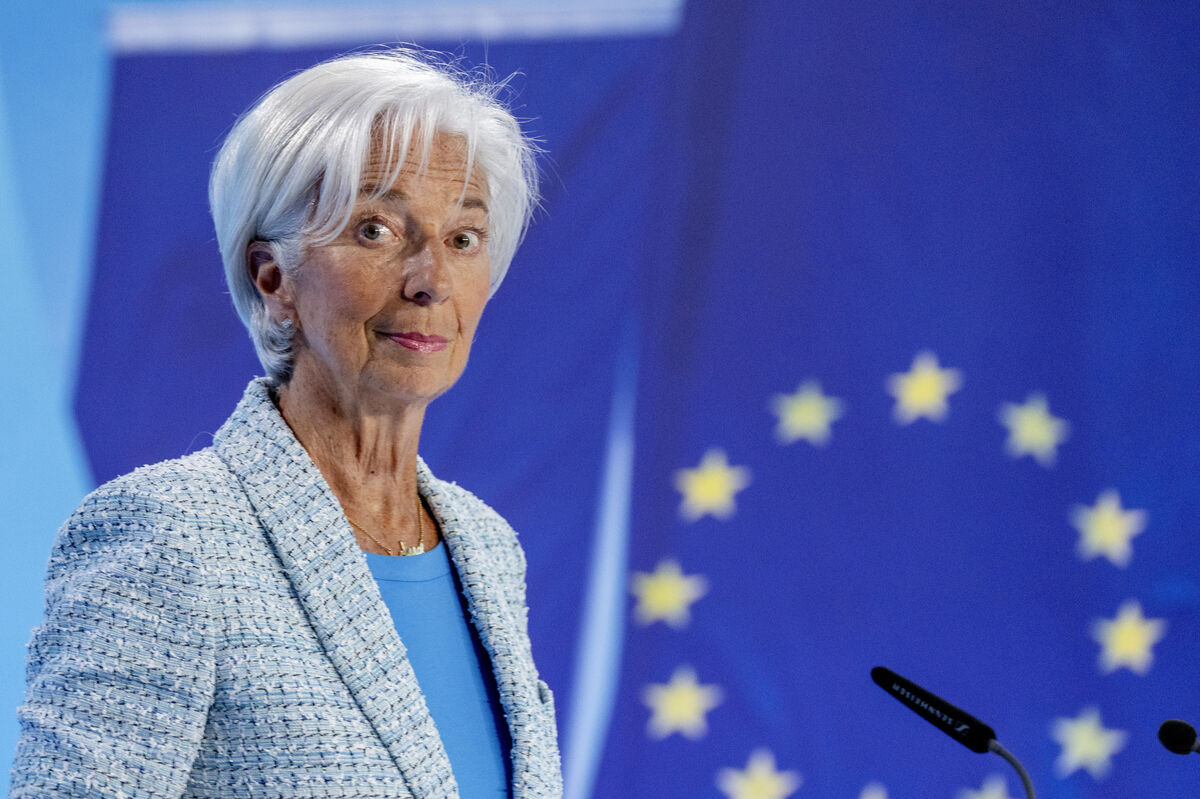
A few ECB policymakers argued that a worsening outlook may necessitate heftier interest rate cuts, while others urged caution.
The surprisingly strong growth numbers might support arguments to maintain a gradual pace of easing and stick with traditional quarter-point reductions in borrowing costs. Traders pared bets on ECB rate cuts after the data barrage, pricing around a 25% chance of a half-point cut in December. Earlier this month, the implied probability was 50%, according to swap pricing.
The biggest worries have centred on Germany, whose manufacturing sector is grappling with a loss of competitiveness that executives blame on high energy costs, excessive regulation, and shortages of skilled staff. The uncertainty has led consumers to ramp up savings instead of spending the pay rises they received in recent months.
That may be starting to change, however, with the country’s statistics office highlighting higher household and government consumption as reasons for third-quarter growth.
Countries with a bigger focus on services have fared better of late. In October, private-sector output even increased at a faster pace outside of France and Germany, according to business surveys by S&P Global.
- Bloomberg
CONNECT WITH US TODAY



Be the first to know the latest news and updates