Visits to tourist attractions yet to fully recover to 2019 levels
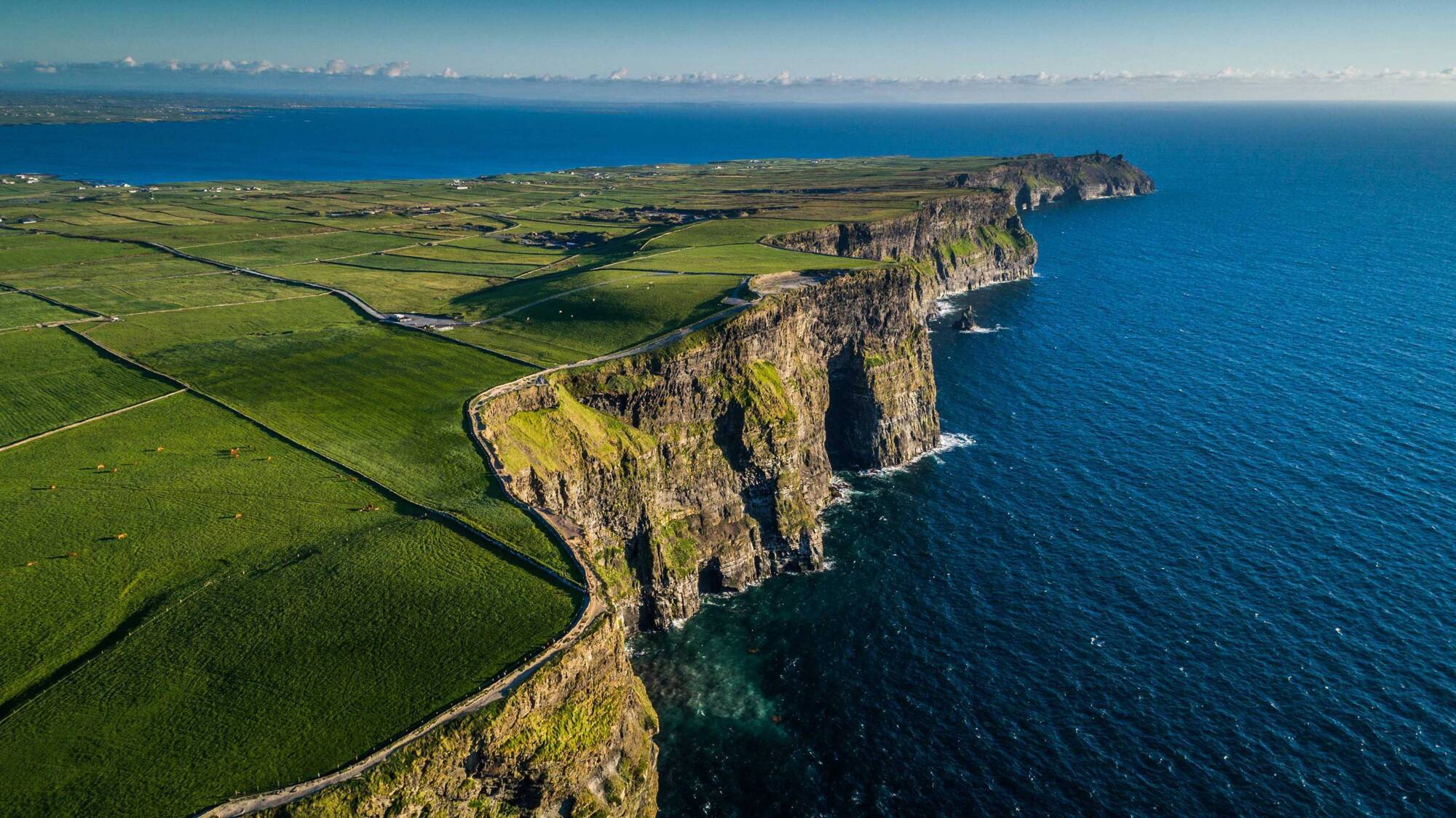
The Cliffs of Moher brought in 1.3 visitors in 2023 — up over 14% from 2022. However, in 2019, it recorded 1.6 million visitors.
The number of visitors to Irish attractions continued to recover in 2023 but still remained at 95% of what they were in 2019, with some of the country’s most famous sites still struggling to reach previous highs, a new survey from Fáilte Ireland shows.
While the visitor numbers in 2023 did not recover to 2019 levels, they are still higher than were reported in 2022, when they were just 85% of the pre-pandemic level.

According to the tourism agency’s annual visitor attractions survey, aside from natural attractions and heritage parks, as well as leisure and theme parks, all other attraction categories improved on their 2022 levels, with some areas already exceeding 2019 levels.
Visitor numbers to gardens increased by 18% compared to 2018, while museums/galleries visitor levels exceeded 2019 levels by 10%.
Brand experiences, however, have been the slowest to recover, reaching only 86% of 2019 levels in 2023.

According to the survey, the attraction which saw the largest number of visitors during 2023 was the Phoenix Park Visitor Centre, which is free, at just shy of two million people.
The Guinness Storehouse was the most visited fee-paying attraction last year, bringing in just under 1.47 million people. This is up more than 30% from 2022 but is still 13.6% lower than the 1.7 million recorded in 2019.
The Cliffs of Moher was the next most visited fee paying attraction, bringing in 1.3 million people in 2023 — up more than 14% from 2022. However, in 2019, it recorded 1.6 million visitors.
Almost all the biggest attractions in the country saw an increase in 2023 compared to 2022. The National Gallery and Kilkenny Castle Parklands had over one million visitors each, the Book of Kells received 970,000 visitors, the National Botanic Gardens received just over 660,000, while Fota Wildlife Park had 430,000.
However, numbers to Dublin Zoo declined by 6.5% to 1.16 million.
A total of 373 attractions responded to the survey, of which seven in 10 were fee-charging attractions, with the remainder being free to visit.

Of the attractions that responded, 36% were historic sites, while 17% were heritage centres, and 15% were museums and galleries. The rest of the survey respondents were made up of brand experiences, visitor gardens, zoos, open farms, aquariums, natural attractions, as well as leisure and theme parks.
In terms of regional spread, 45% of attractions along “Ireland’s Ancient East” were historic sites. This dropped to 42% in “Ireland’s Hidden Heartlands” — which encompass many of the counties along the Shannon.
Dublin continues to have the largest proportion of museums/galleries of any brand region — making up to 33% of all the capital's attractions.
The share of people visiting Irish attractions from abroad reached 57% in 2023 — up from the 53% reported in 2022. Of the visitors to Dublin, 68% were international tourists.
Head of visitor attractions at Fáilte Ireland Mary Stack said these attractions played a “crucial role” in strengthening Ireland’s appeal as a destination and “provides visitors with the opportunity to fully experience our country’s distinctive culture, heritage and history”.
“With popular sites across all four of Fáilte Ireland’s regional brands — the Wild Atlantic Way, Ireland’s Ancient East, Ireland’s Hidden Heartlands, and Dublin — these attractions also encourage visitors to explore further and extend their trips beyond the peak season,” she said.